Popular Searches
No results for
Stories, guides and secrets of the city. No spam.
Thank you! You've been added to the list.
All the stories
187 articles
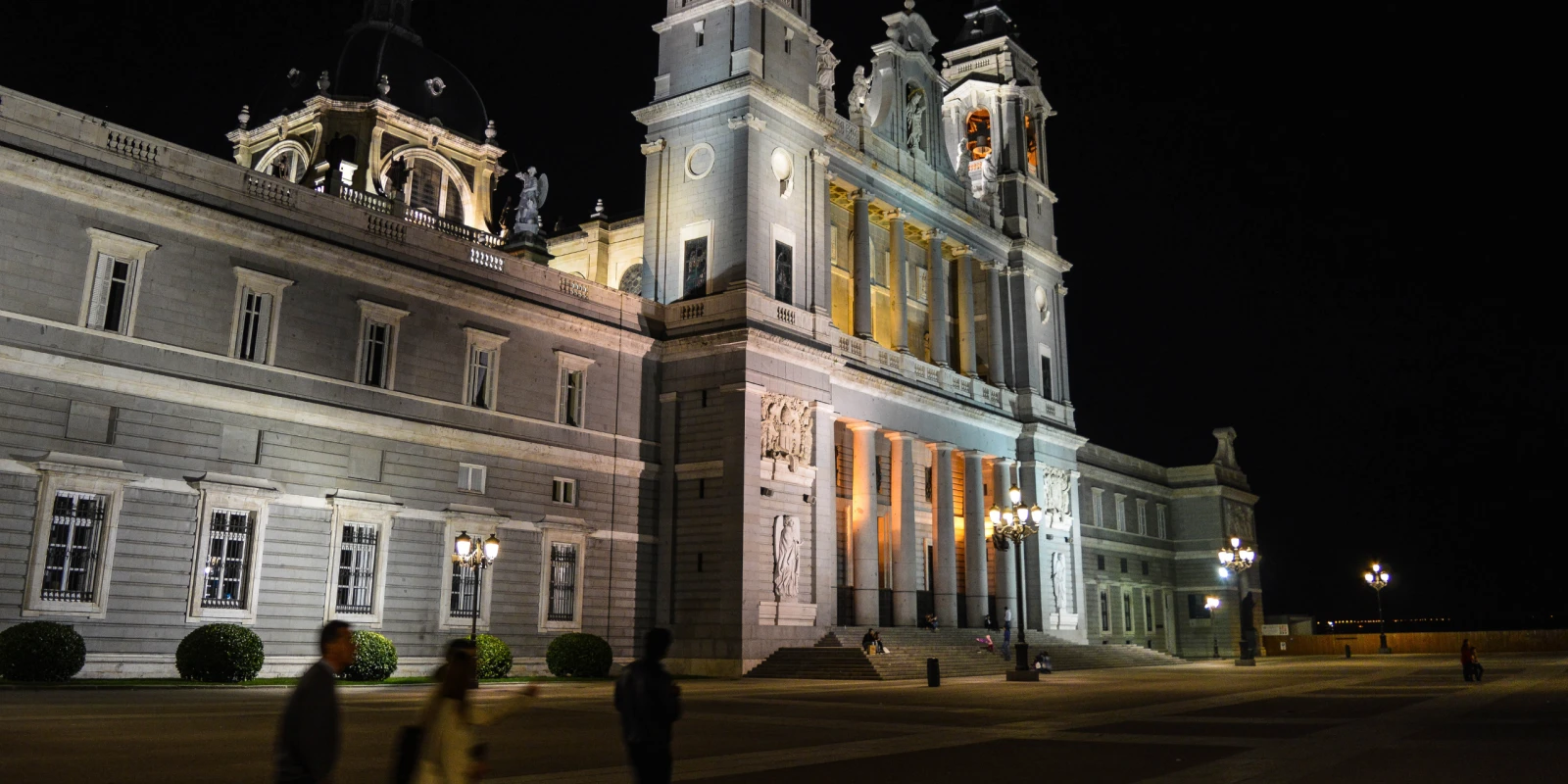
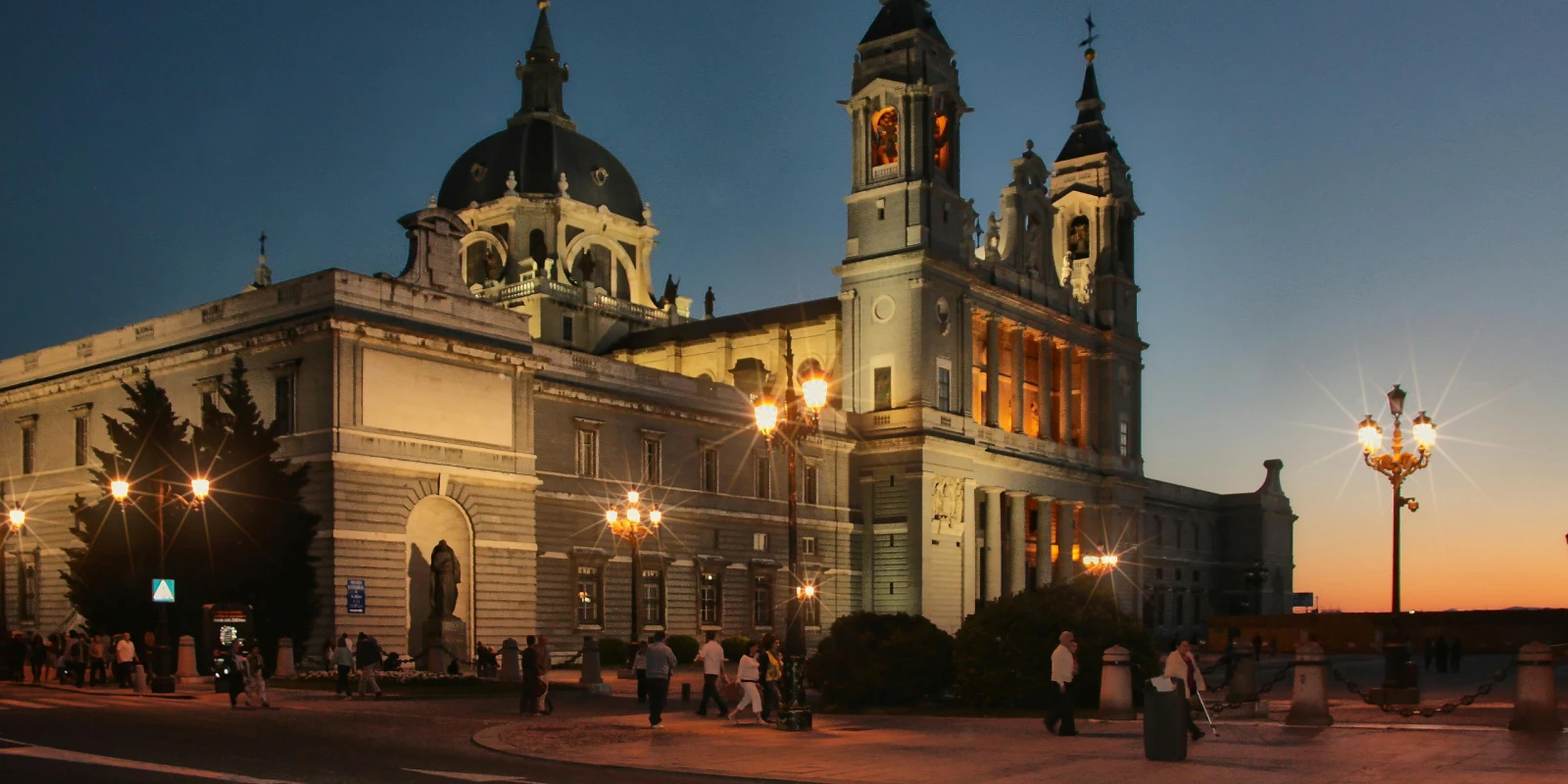
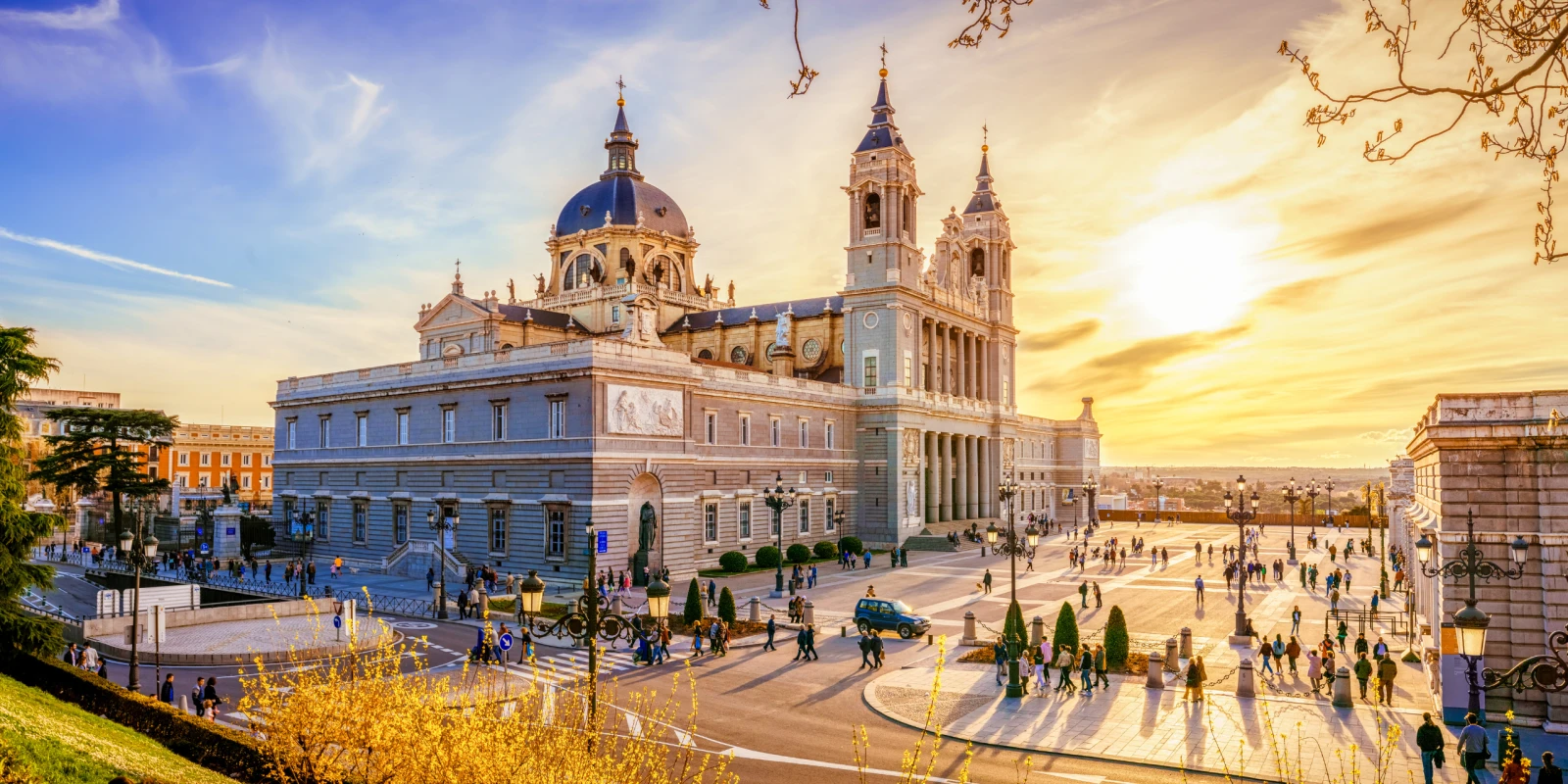
Are Almudena Cathedral dome tickets worth it? For a clear view and the building's story, yes, and it pairs neatly with the Royal Palace next door if you climb before lunch. Children under 9 go free, the ticket is sold at the desk on the cathedral steps, and photos are fine in the church but not inside the museum rooms.
Is the Atletico Madrid stadium tour worth it if you can only do one stadium in Madrid? On price it wins, since the €25 self-guided ticket covers the dressing room, tunnel and museum, and the useful question is which upgrade, if any, earns its extra cost and which weekends to avoid.
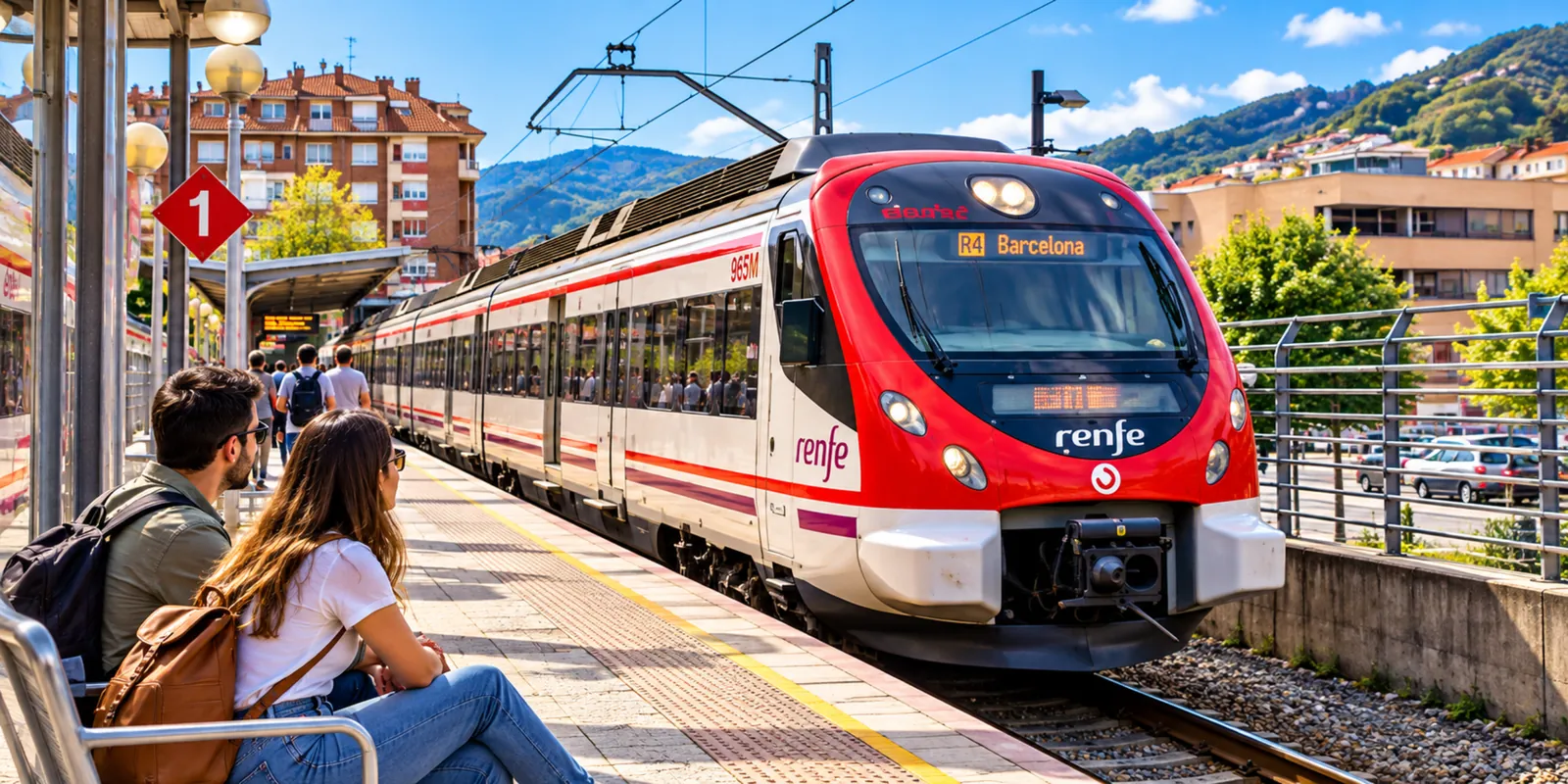
An Avila day trip from Madrid by train, planned around the walls. Which station and train to take, when the coach makes sense, and why a winter Monday is the day to skip. The full day comes to about €43.40 per adult with the wall walk and the Cathedral, and Avila and Segovia do not pair by train, as each leaves from a different station.
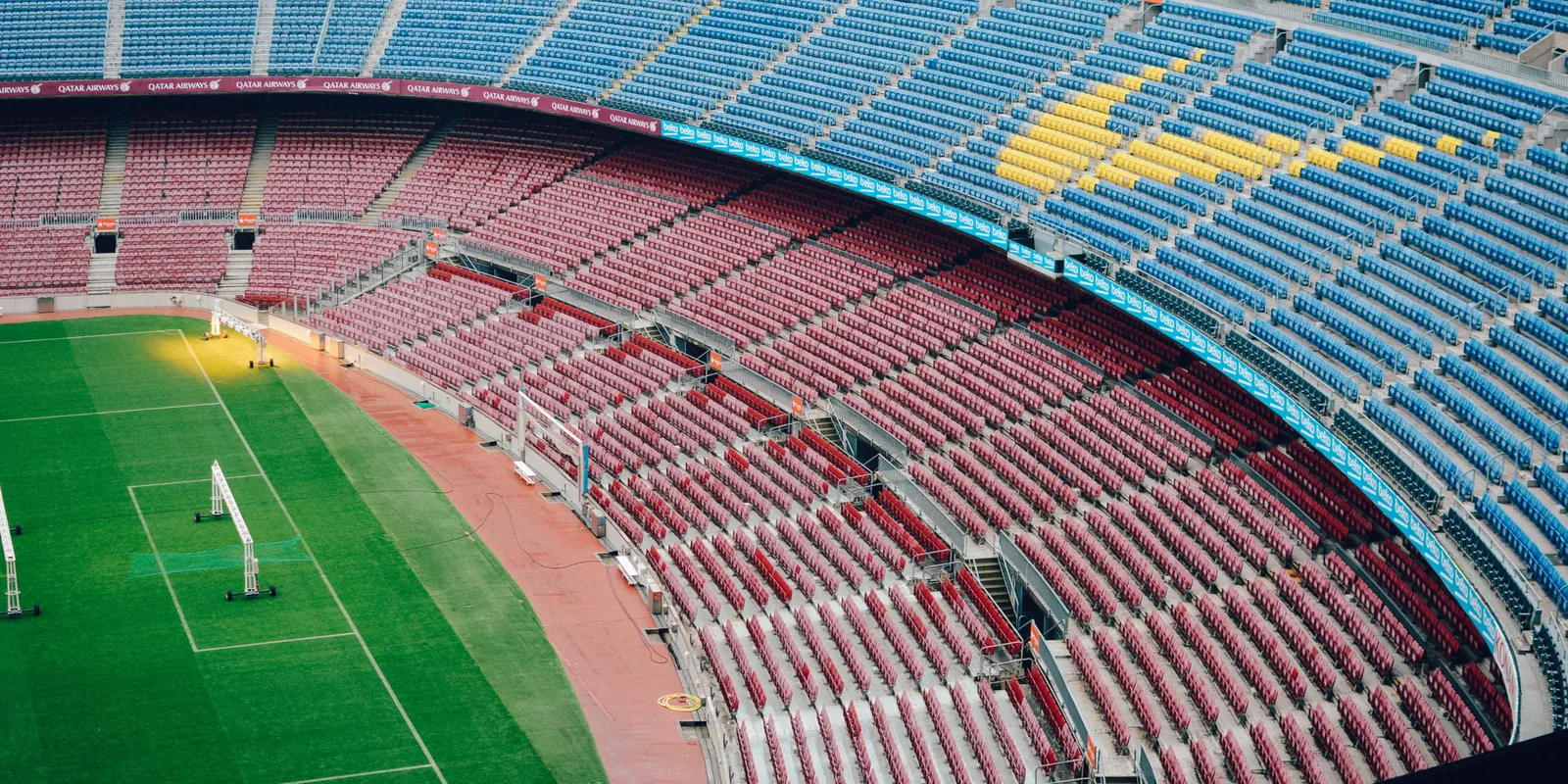
Bernabeu stadium tour tickets, which one to buy and which day to skip. Tickets are never refunded, so in a match week the €44 Flexible Time ticket is the safe bet. The Classic ticket at €37 already covers the museum, the panoramic view and the dressing rooms, so the €56 Guided ticket mainly buys you the guide.
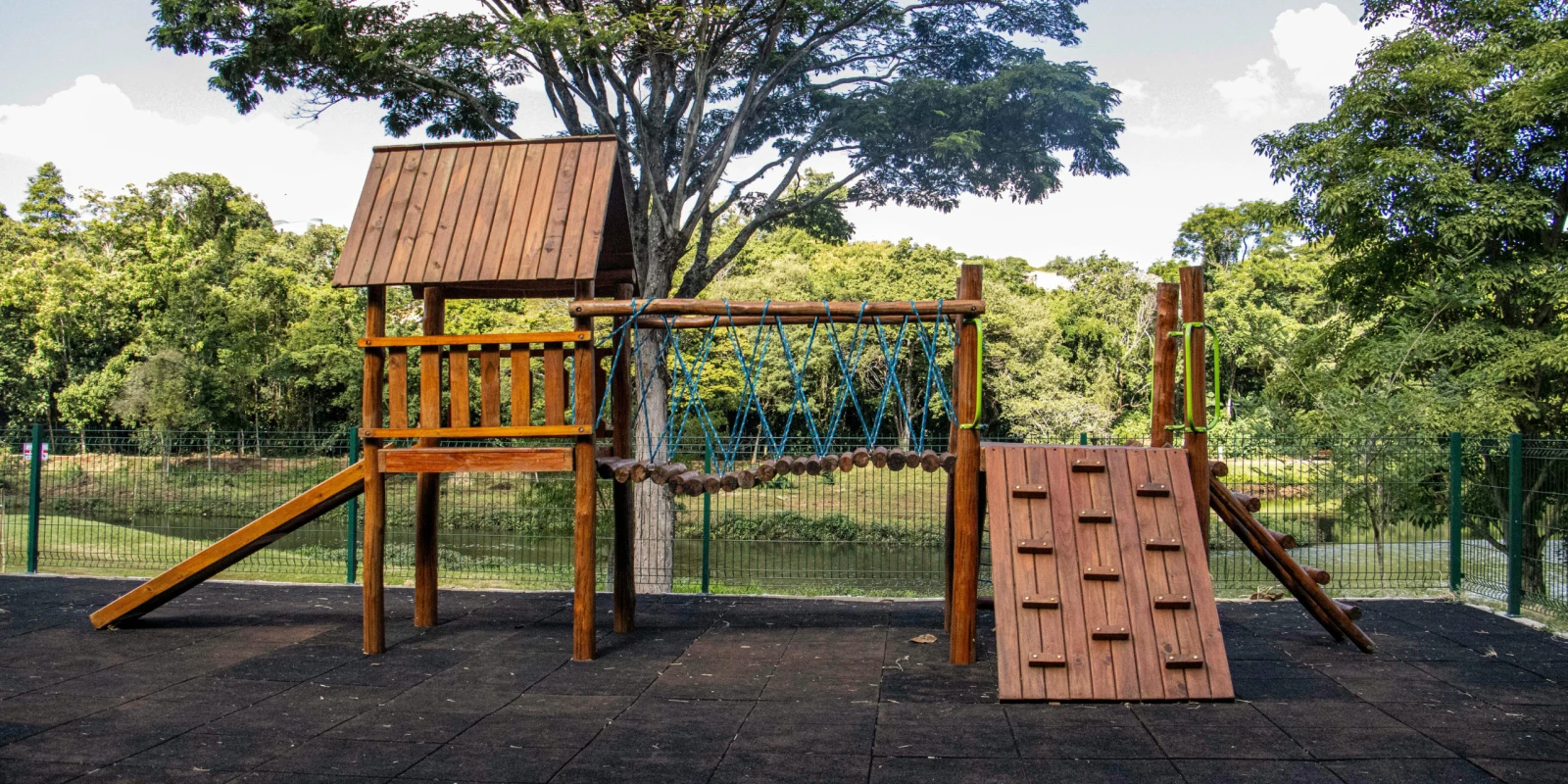
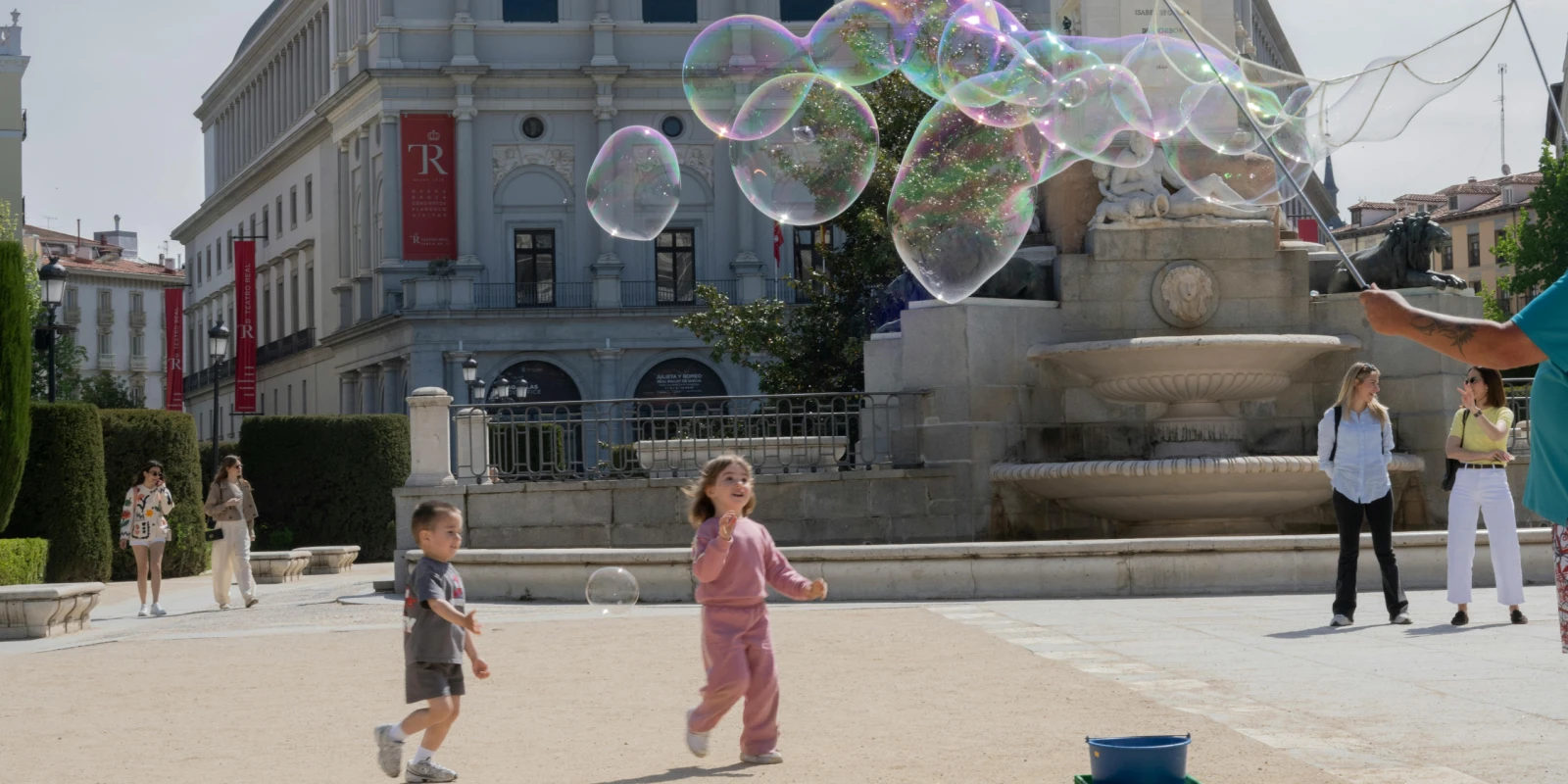
Looking for the best playgrounds in Madrid? Pick by your child's age and by where you are staying. A sandpit by a café terrace near Sol covers half an hour between museums, while the Madrid Río zipline fills a whole morning. What each one has, how to get there on the Metro and what children pay to ride it.
Looking for the best tortilla in Madrid? It depends on how you like it. For the runny national champion at a table you can book, there are two dining rooms; for onion, a breakfast slice or a whole one to take away, a market counter; and if you would rather not book, six walk-in bars cover the centre.
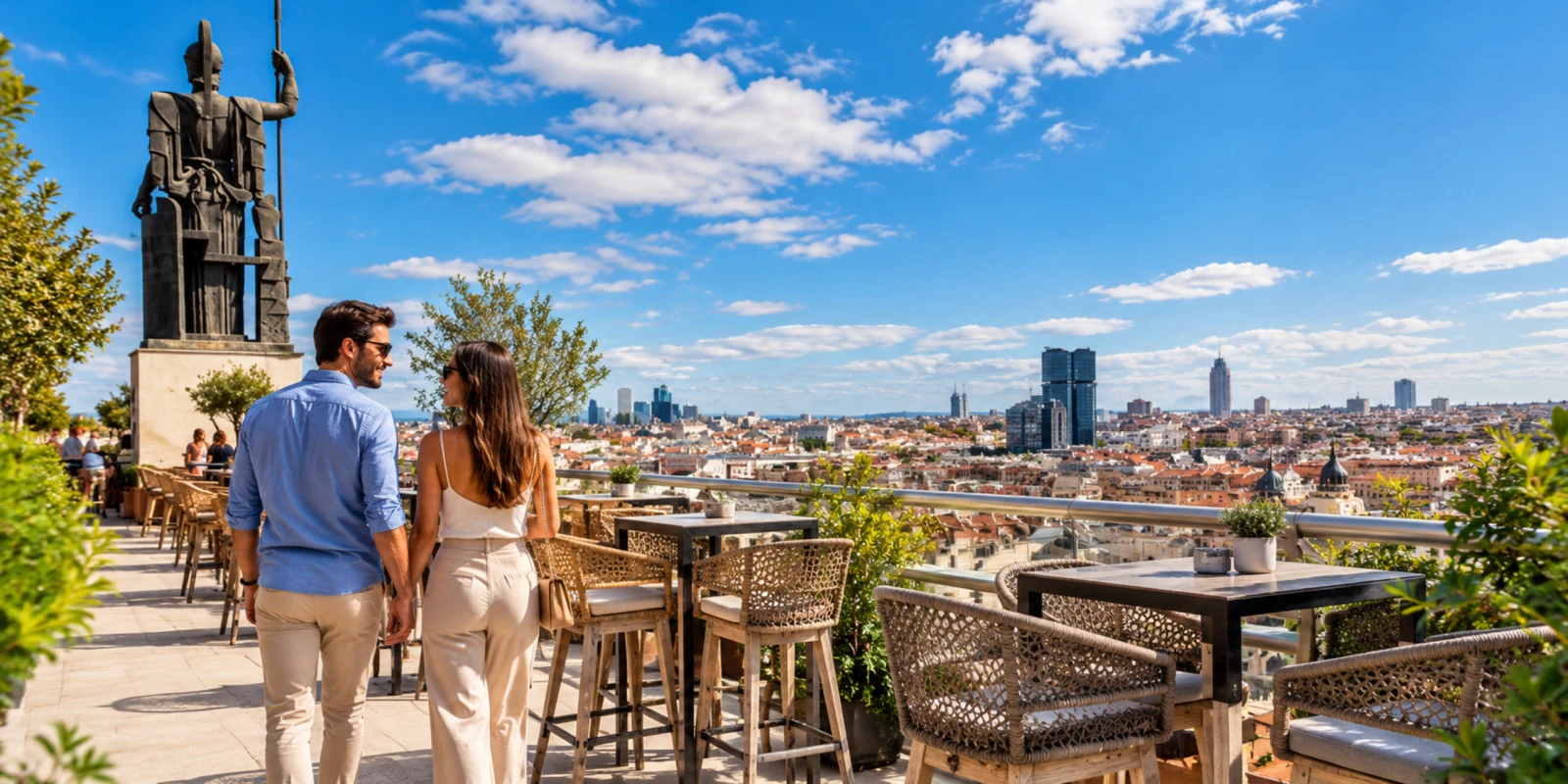
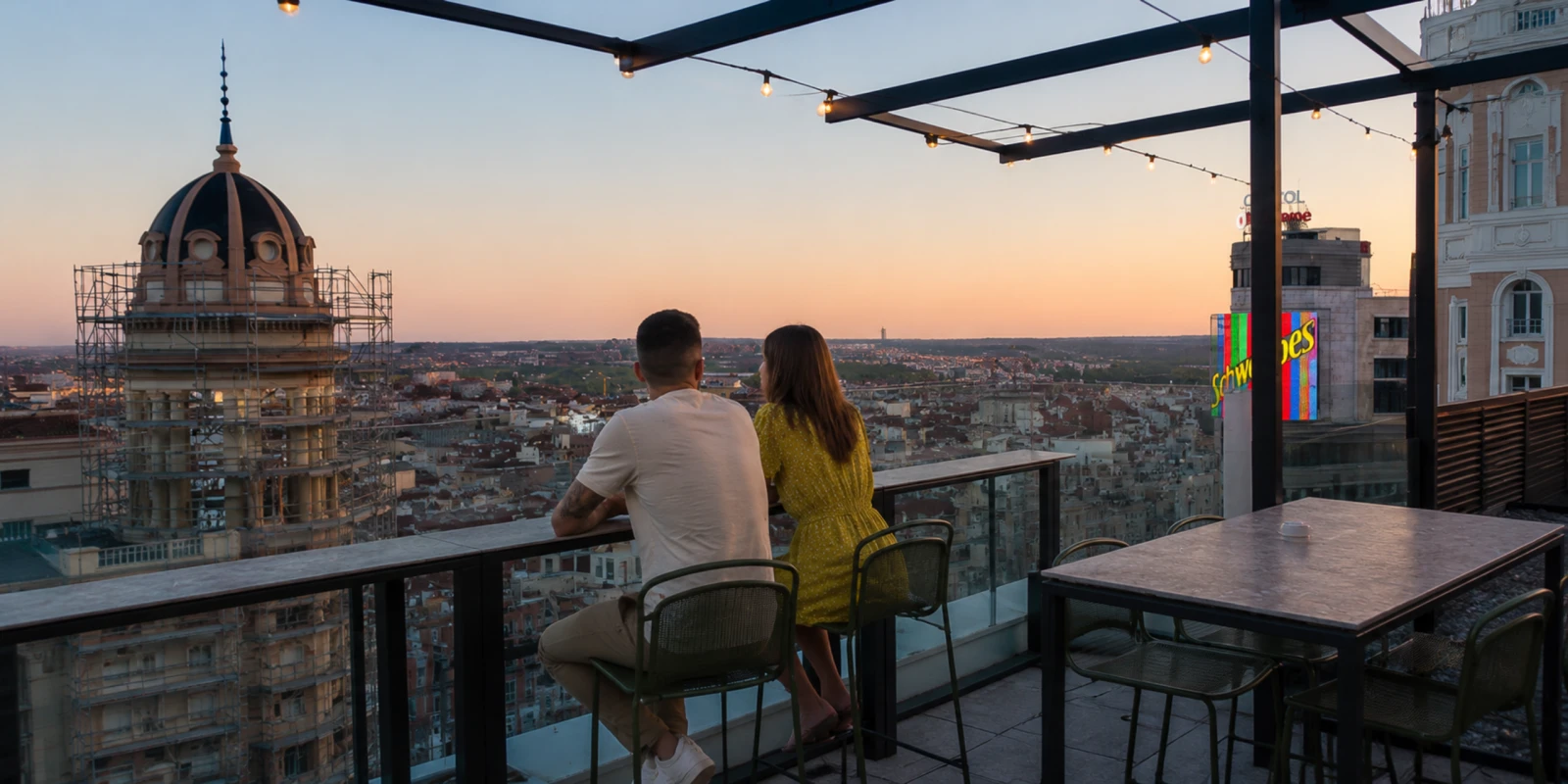
Looking for the best viewpoints in Madrid for sunset? Pick by timing, not height. This autumn the free open-air spots west of the Royal Palace win, because the paid city decks close before the sun goes down until late October, and four of them link up in one short evening walk ending in La Latina.
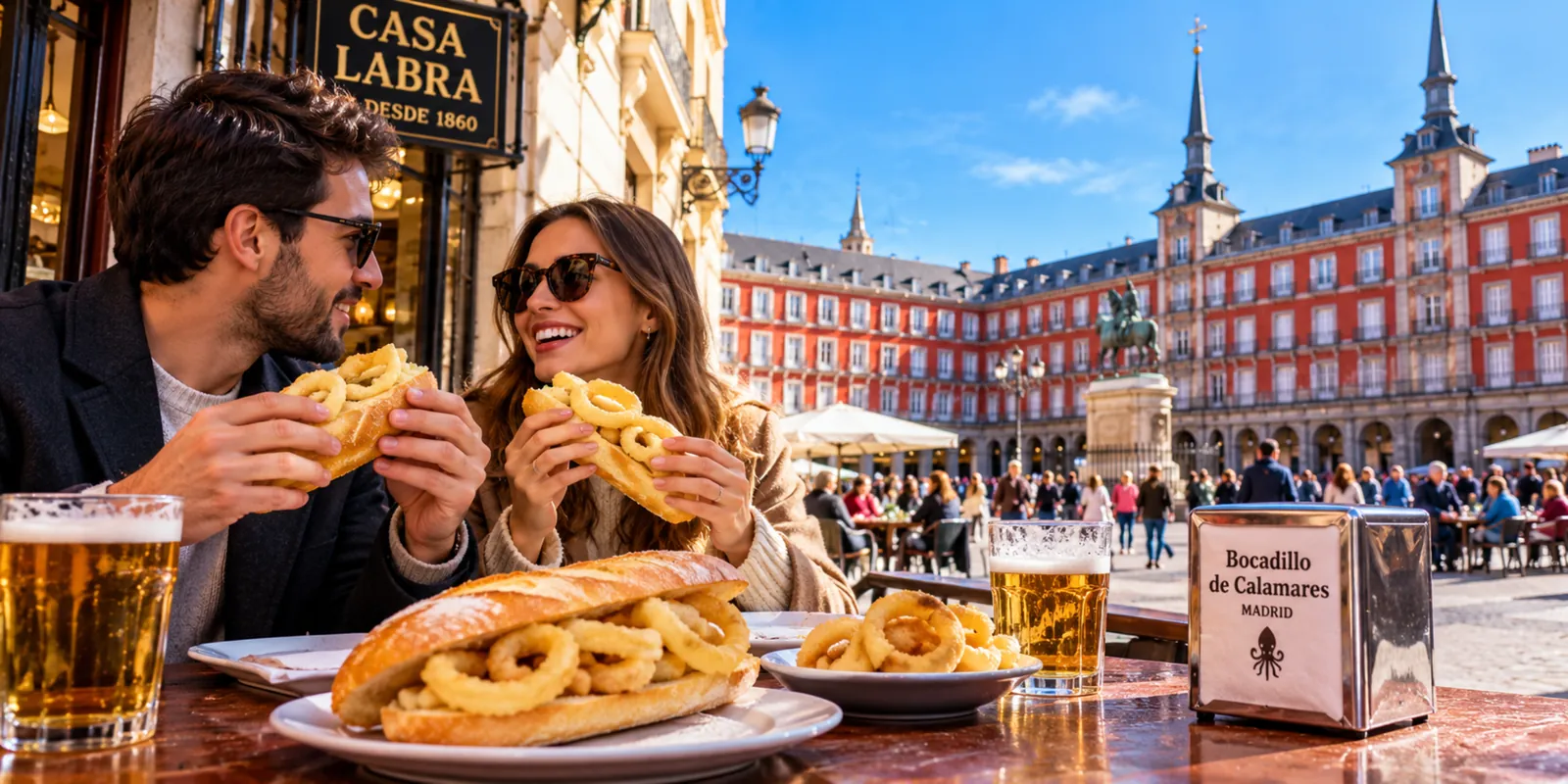
Calamari sandwich in Madrid, which bar to pick and how to order at the counter. Casa Rúa has tables upstairs, and one of the two bars on Calle de Postas is always open. La Ideal also serves a €7 plate of calamari without bread, and the Plaza Mayor bars run with no afternoon break, so a mid-afternoon sandwich works when restaurants are shut.
Calle Ponzano tapas bars make a crawl with a local crowd rather than tour groups. Here is which counter suits a standing beer, a booked dinner or a late finish, how Spanish meal times shape the evening, and how to ride there from Sol on Line 1 for a €1.50 single.
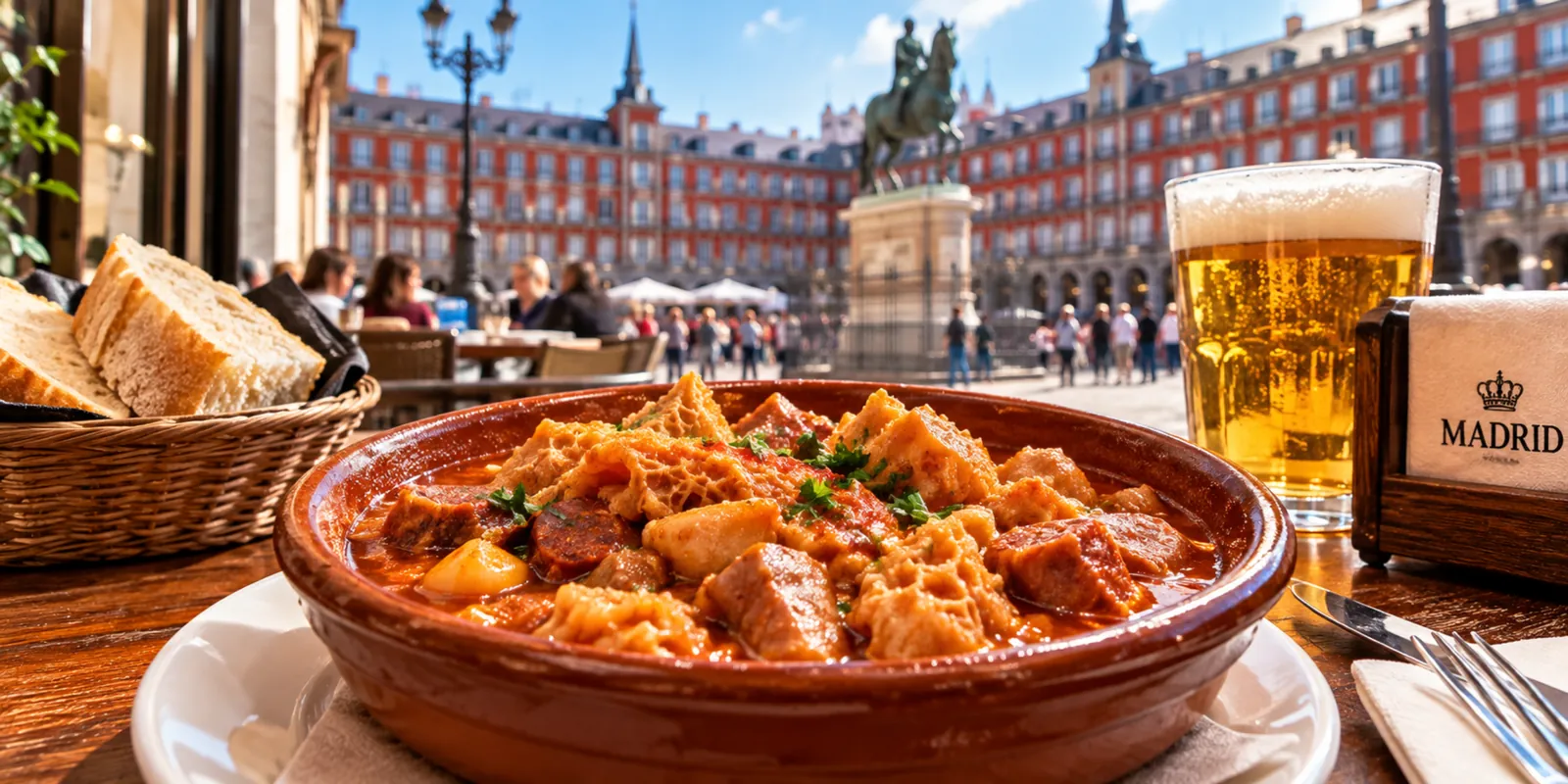
Callos in Madrid, where to try the tripe stew without wasting a meal on it. Start with a €14 half portion at the bar, and know that only one house cooks on Sunday evening. The 2026 world champion, El del Medio in Chamartín, cooks Monday to Friday only, and Taberna Pedraza and Casa Alberto both close on Mondays.
Cava Baja tapas in Madrid, which bar suits a standing crawl, a sit-down lunch or a Rastro Sunday, what to order in each, and why 4pm is the wrong time to arrive. The Rastro flea market packs up at 3pm, so a Sunday lunch here follows it naturally, and Taberna Almendro 13 adds fried aubergine with salmorejo to the round.
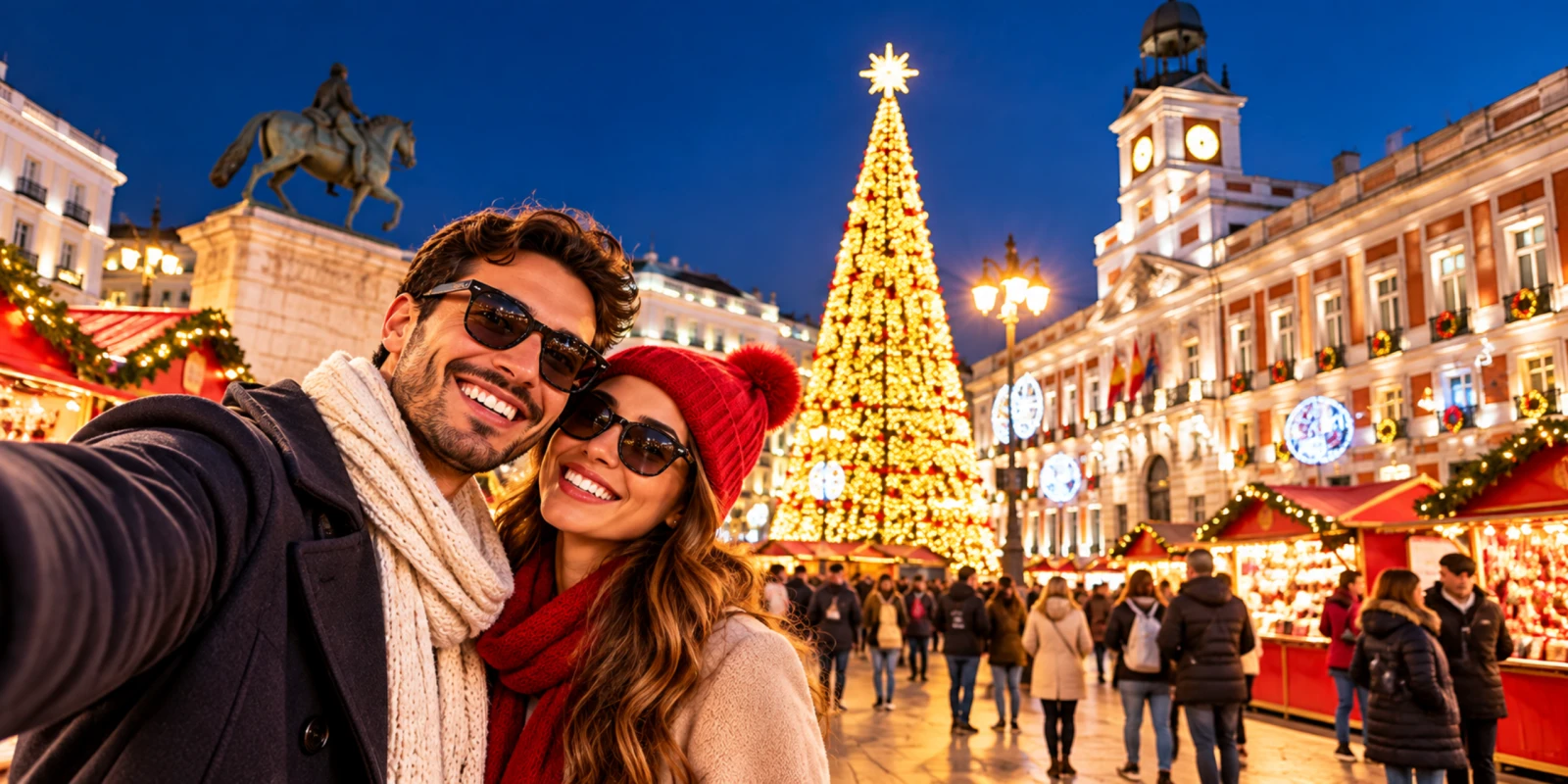
Christmas in Madrid, which dates to pick and what to book before you fly. The lights, markets and nativity scenes are free, but 25 December and 1 January close the big museums. The Plaza Mayor market has 104 stalls of figures and decorations but no mulled wine or food, and the Three Kings parade on 5 January is free and needs no ticket.
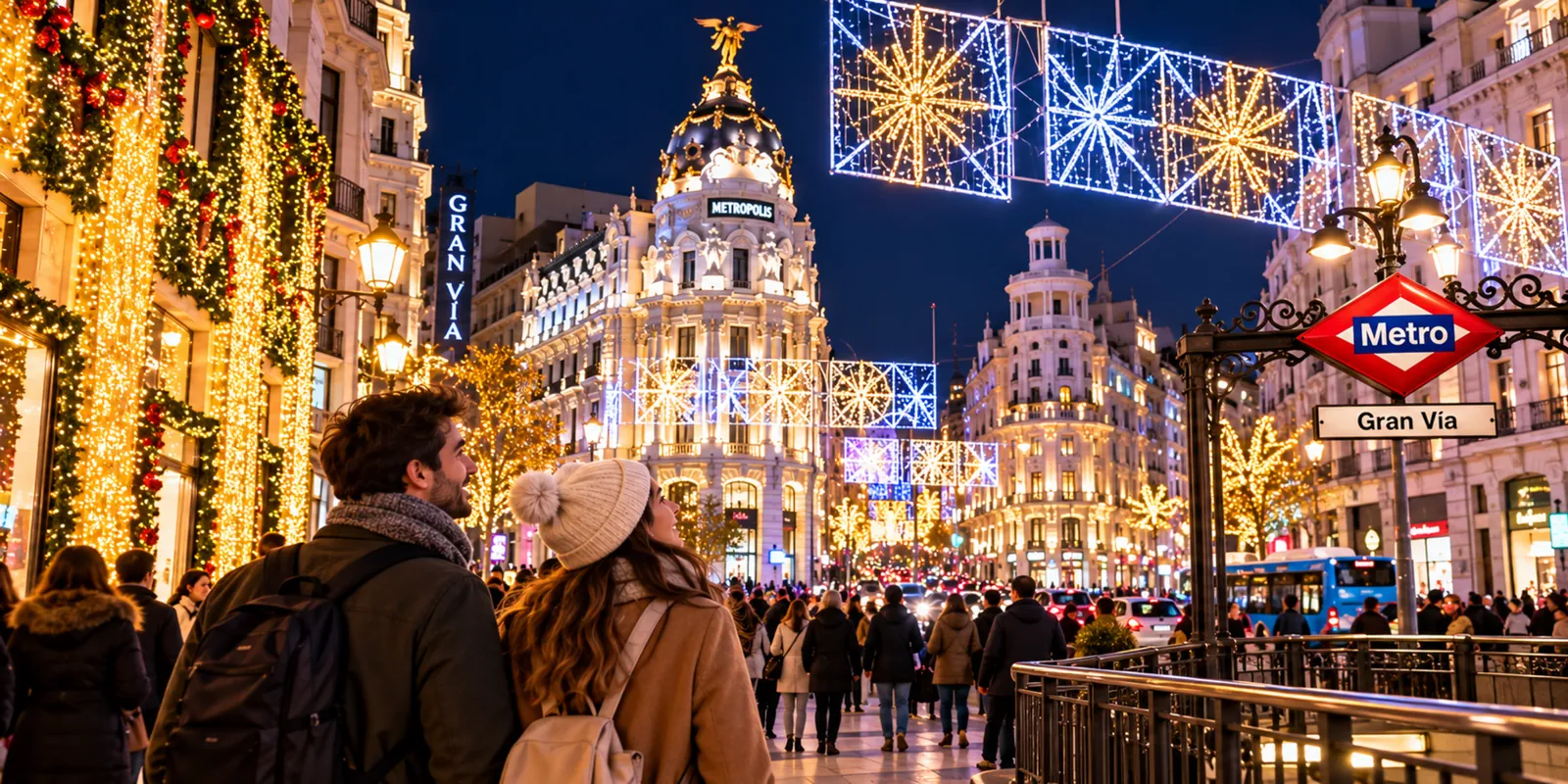
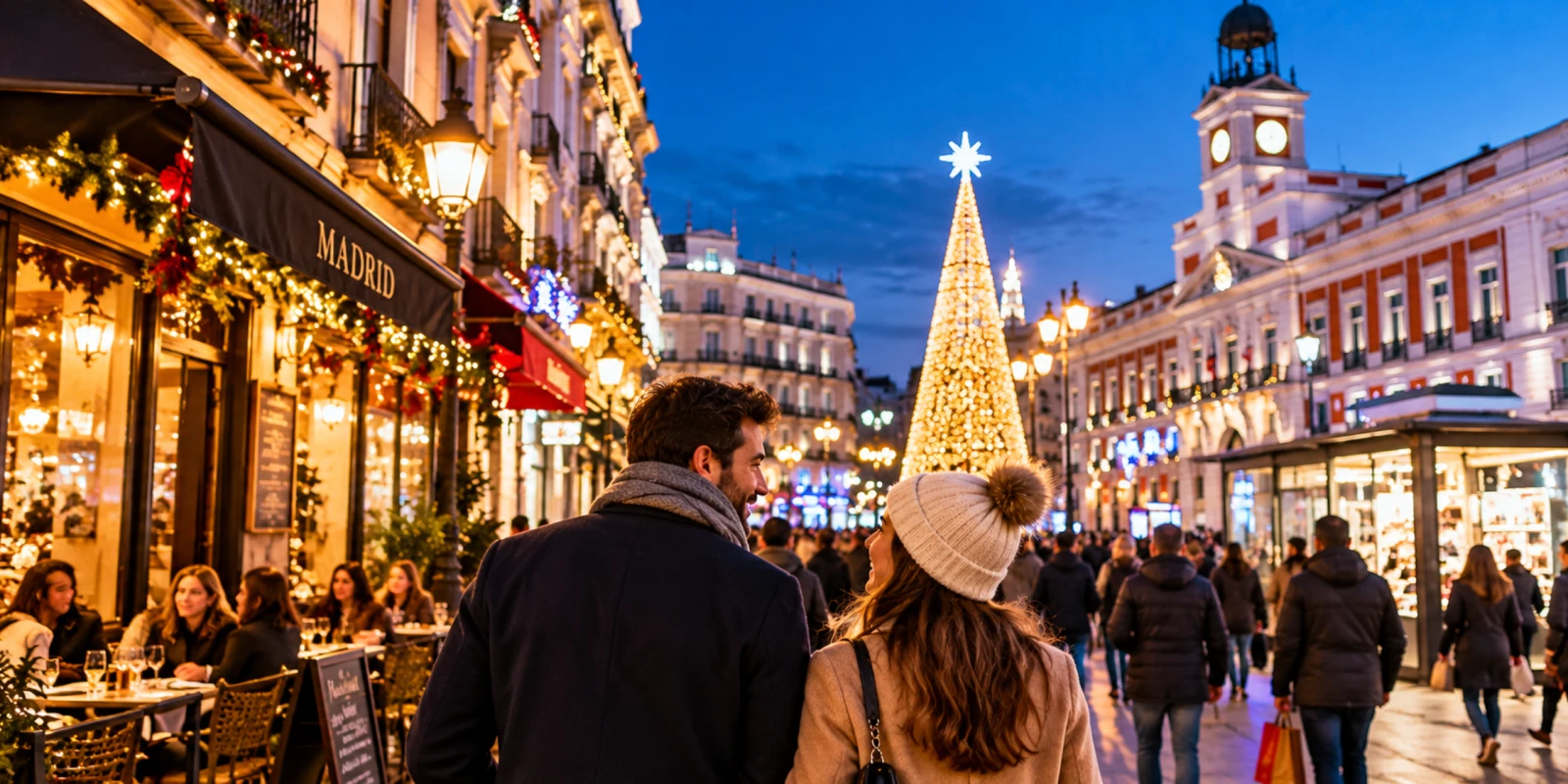
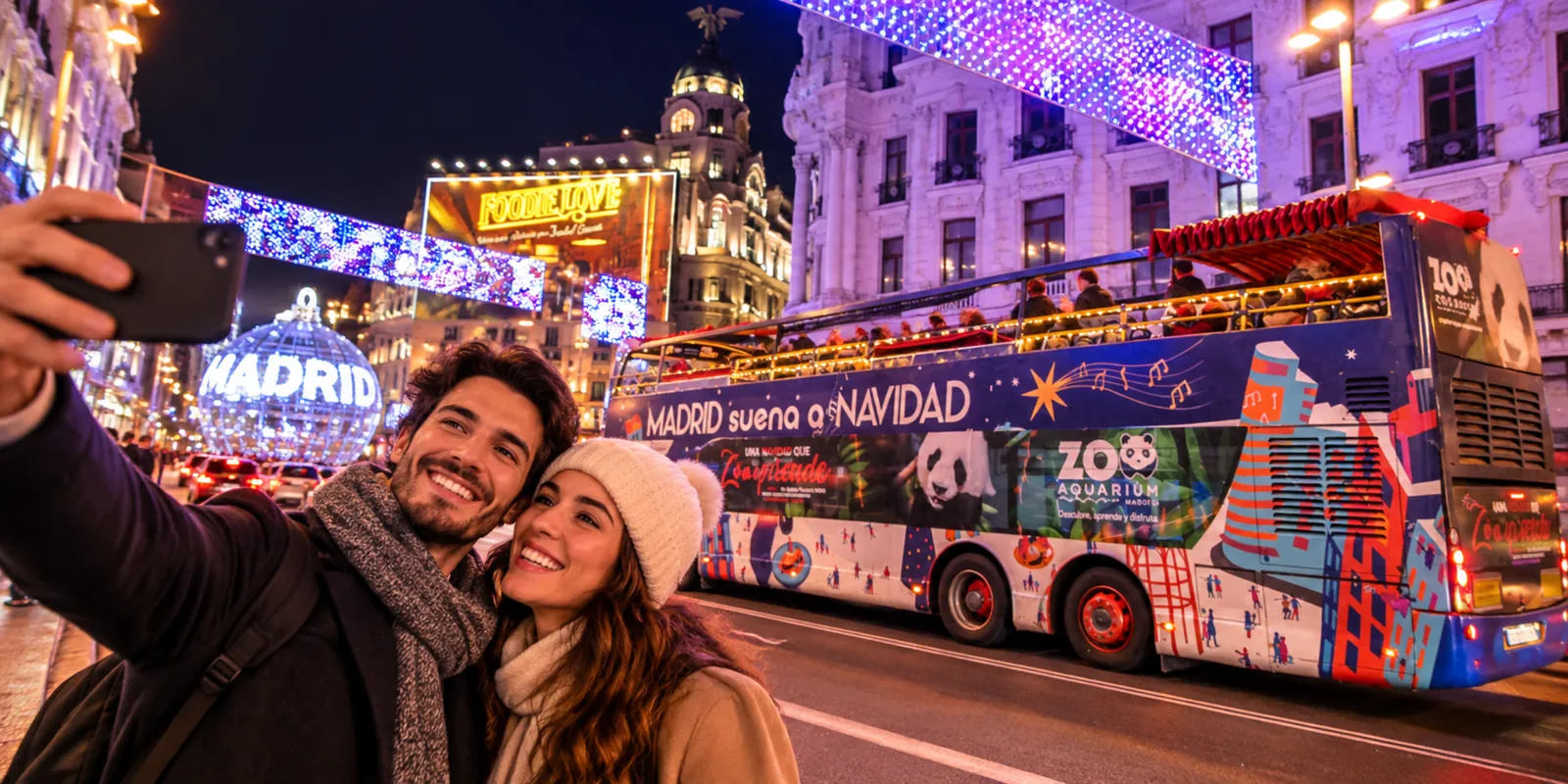
Madrid Christmas lights, which walk to do and whether the lights bus is worth it. Going down Calle del Carmen instead of Preciados keeps you moving on the busiest nights. The Naviluz bus is the one ticketed part, €12 to €15 per adult from ALSA, and on 24 December and 5 January the lights stay on until 3am.
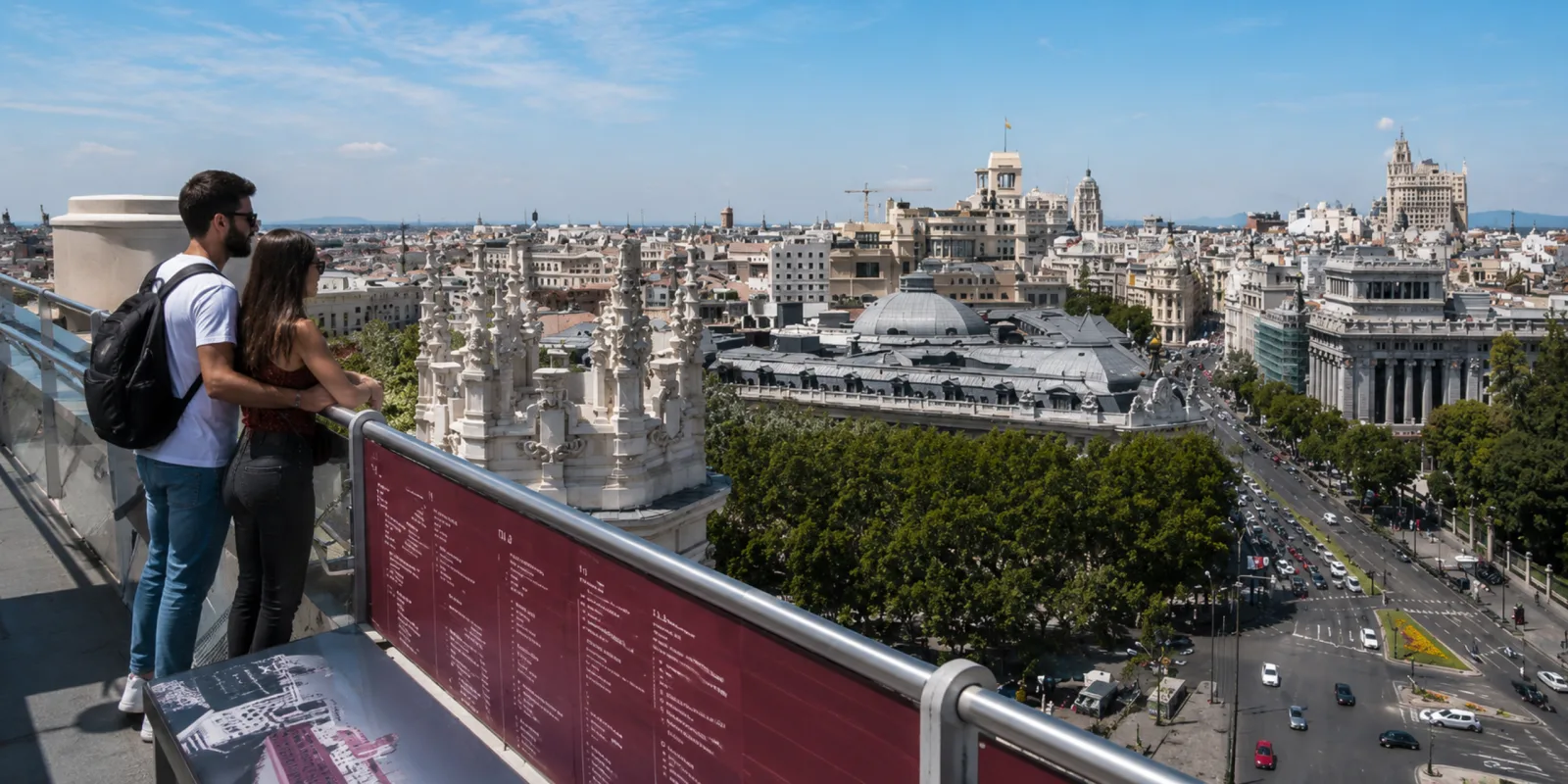
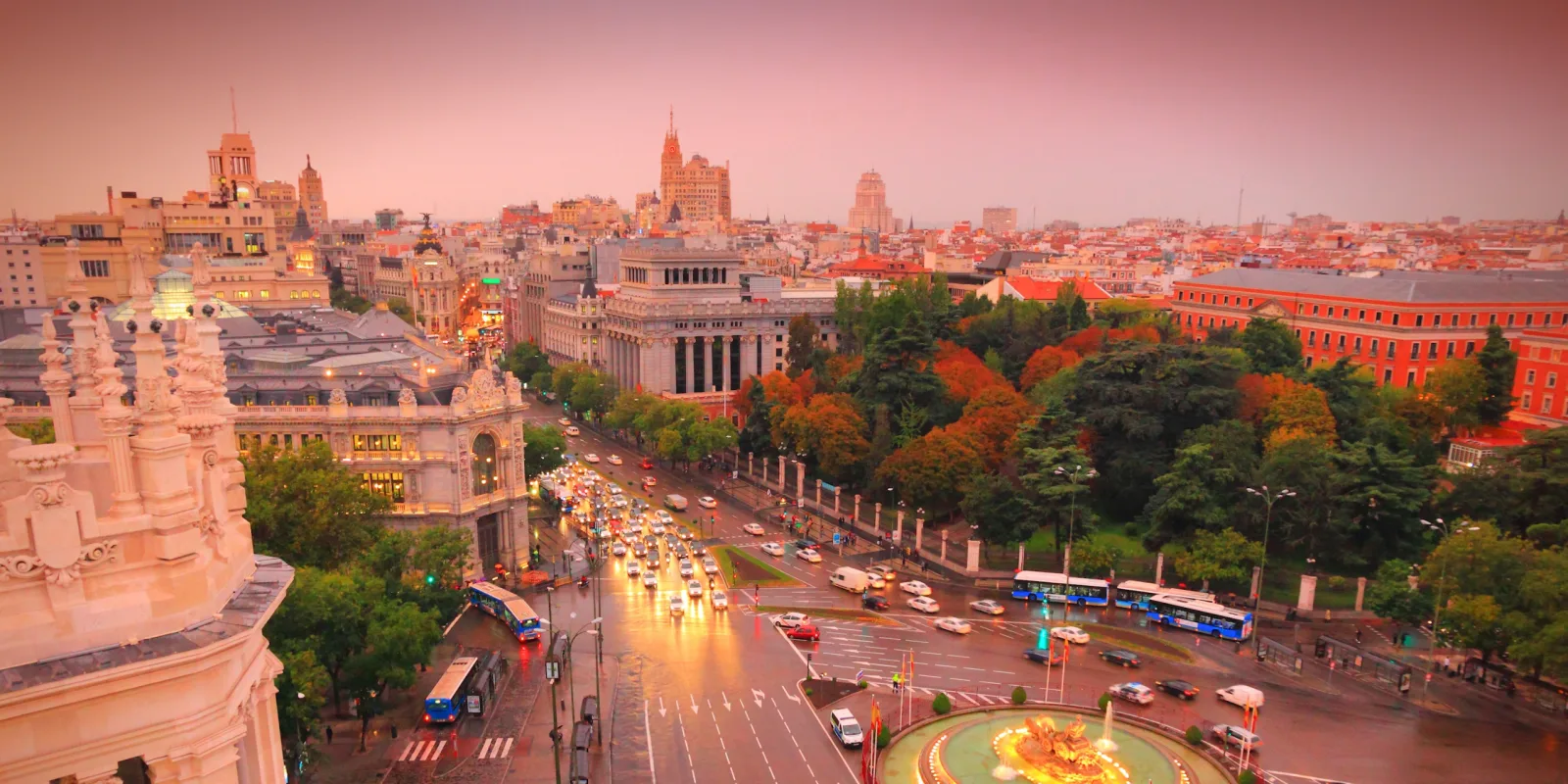
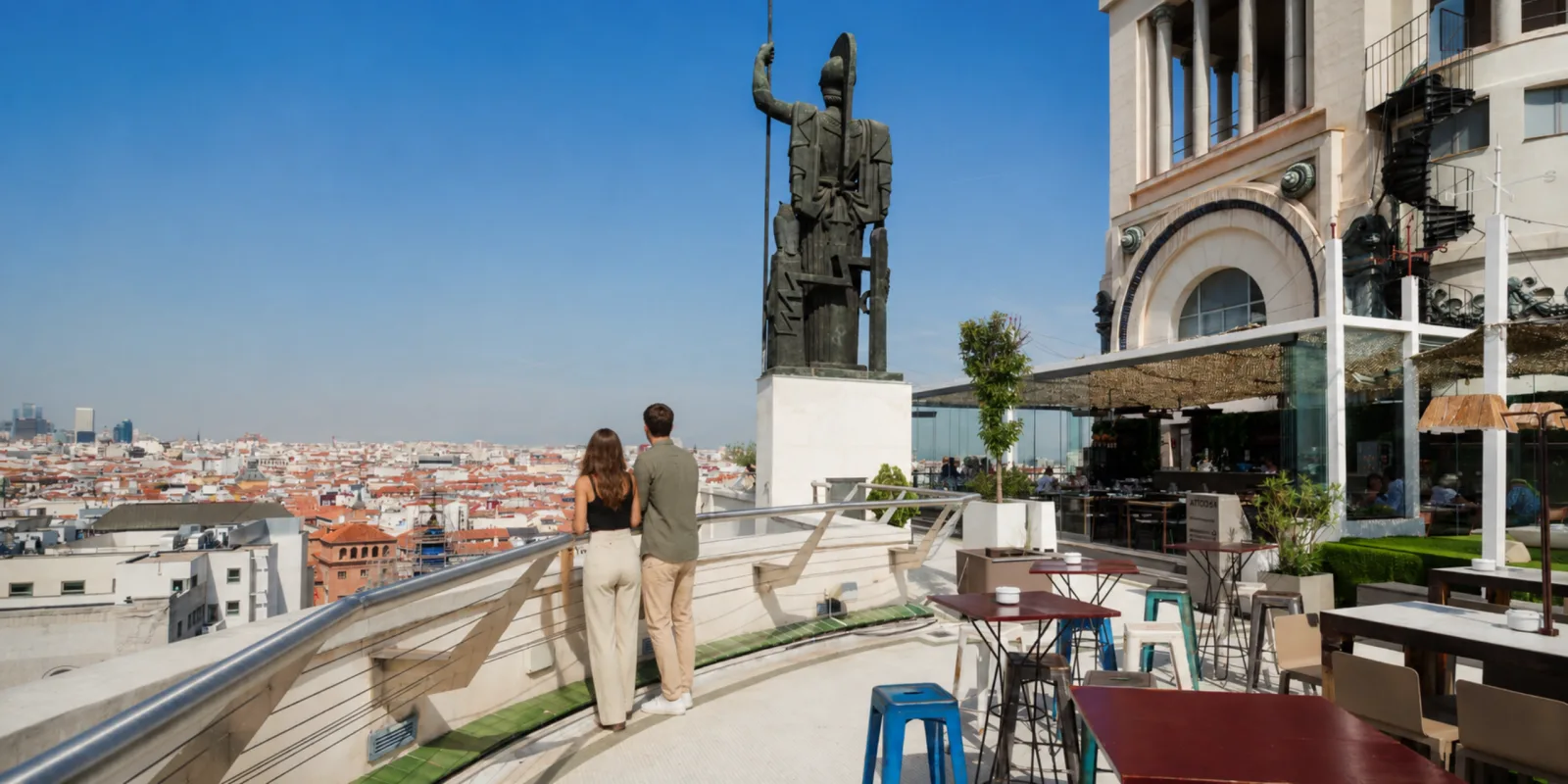
Is the Circulo de Bellas Artes rooftop worth it? For the classic Gran Vía photo, yes, and the ticket costs less than one cocktail at its bar. For a drink with a seat, book the restaurant separately, because the ticket buys the view, not a table. Autumn sunsets land before 9pm, so that slot can still be bought online.
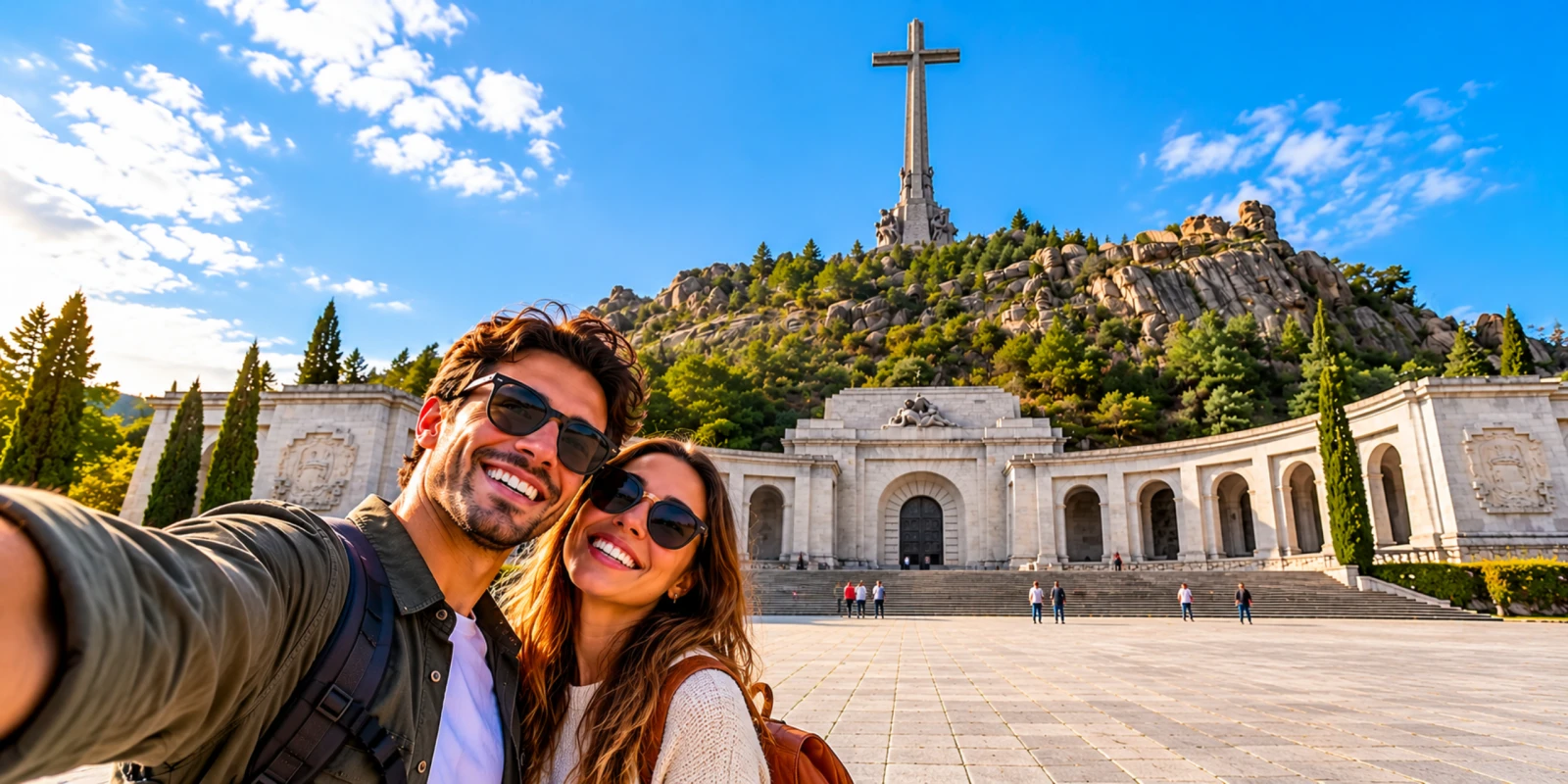
How do you visit the Valley of the Fallen, now the Valley of Cuelgamuros, from Madrid without a car? What you will see, whether it is worth the trip, and which day works on a US, UK or Australian passport. The only direct bus goes up after lunch, so the afternoon decides everything.
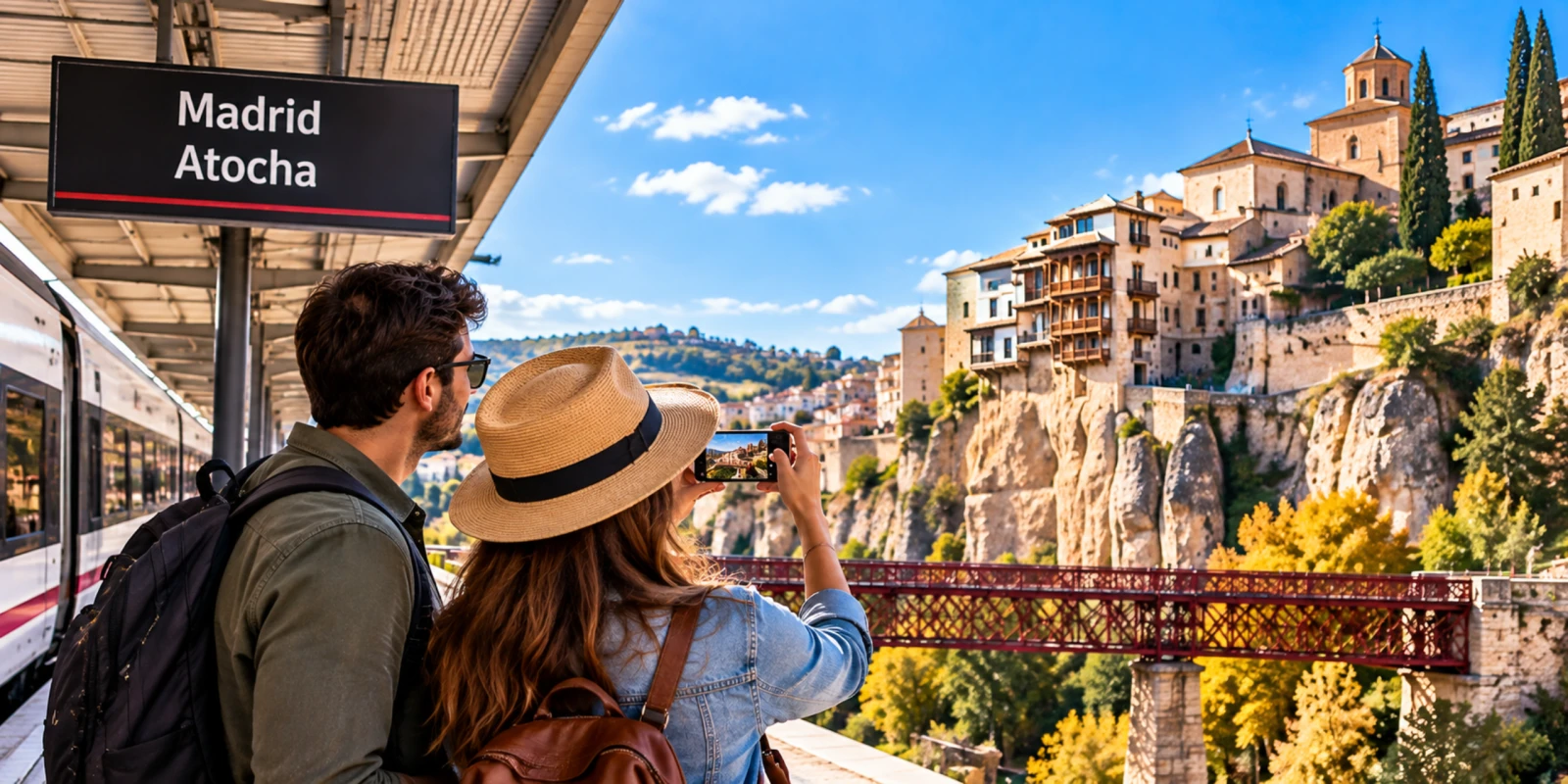
Cuenca day trip from Madrid by train, which station to leave from and which ticket to book. Early and late AVLO trains were €9 each way, and the station sits 6.4 km out of town. The €32.70 Avant is the one fixed fare but leaves Atocha at 5.15pm, and urban bus 12 or a taxi covers the ride up to the old town.
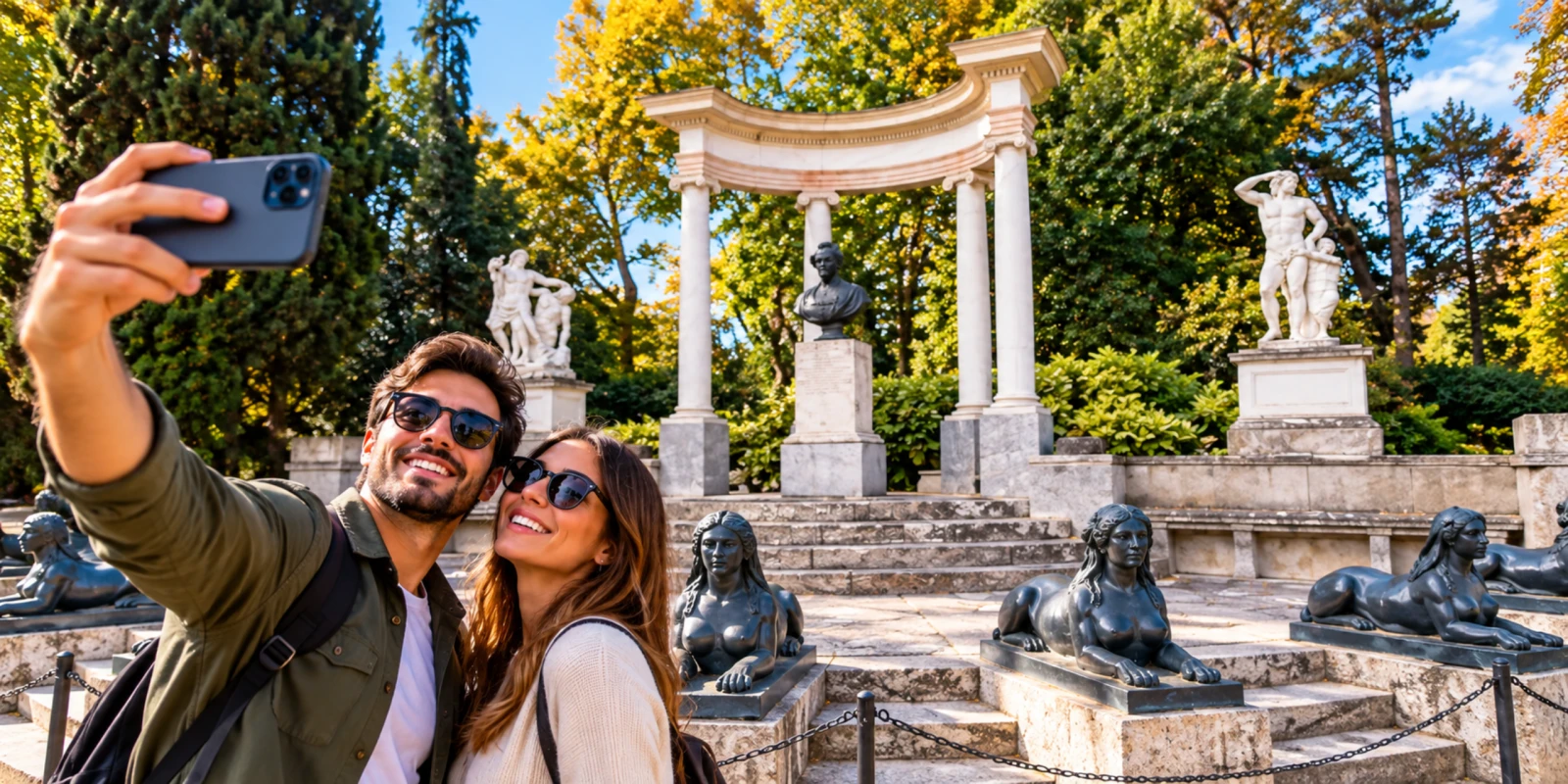
El Capricho park in Madrid, and whether it deserves a weekend morning of your trip. It is a free garden laid out for the Duke and Duchess of Osuna from 1784, with a labyrinth, a lake and a Civil War bunker you can tour, but it bans dogs, bikes and picnics, so it suits a slow walk far better than a lazy afternoon on the grass.
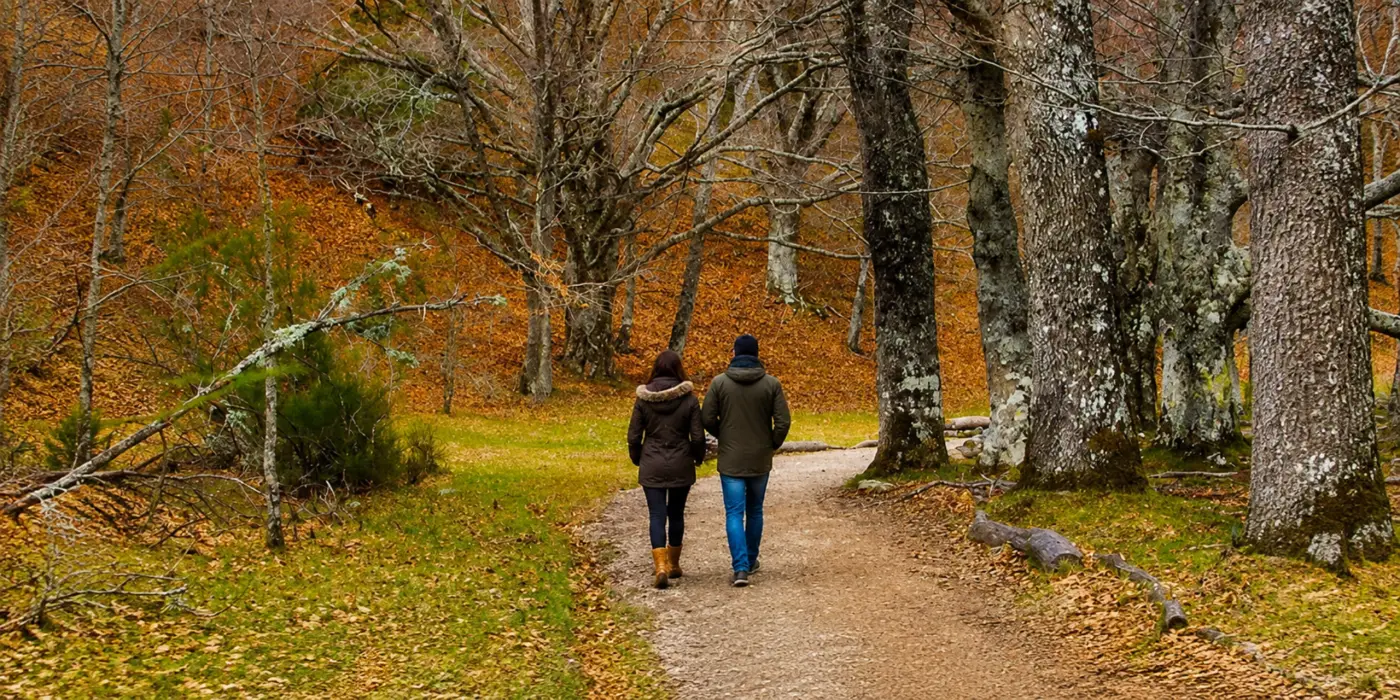
Getting to the Finnish Forest in Rascafría from Madrid is easy by car, a 750-metre stroll from the monastery. Without one, only a weekend bus gives you a full day. Make it a full day with El Paular Monastery or the RV 6.2 trail, about 12.6 km there and back, and avoid Mondays and Tuesdays, when the monastery is shut.
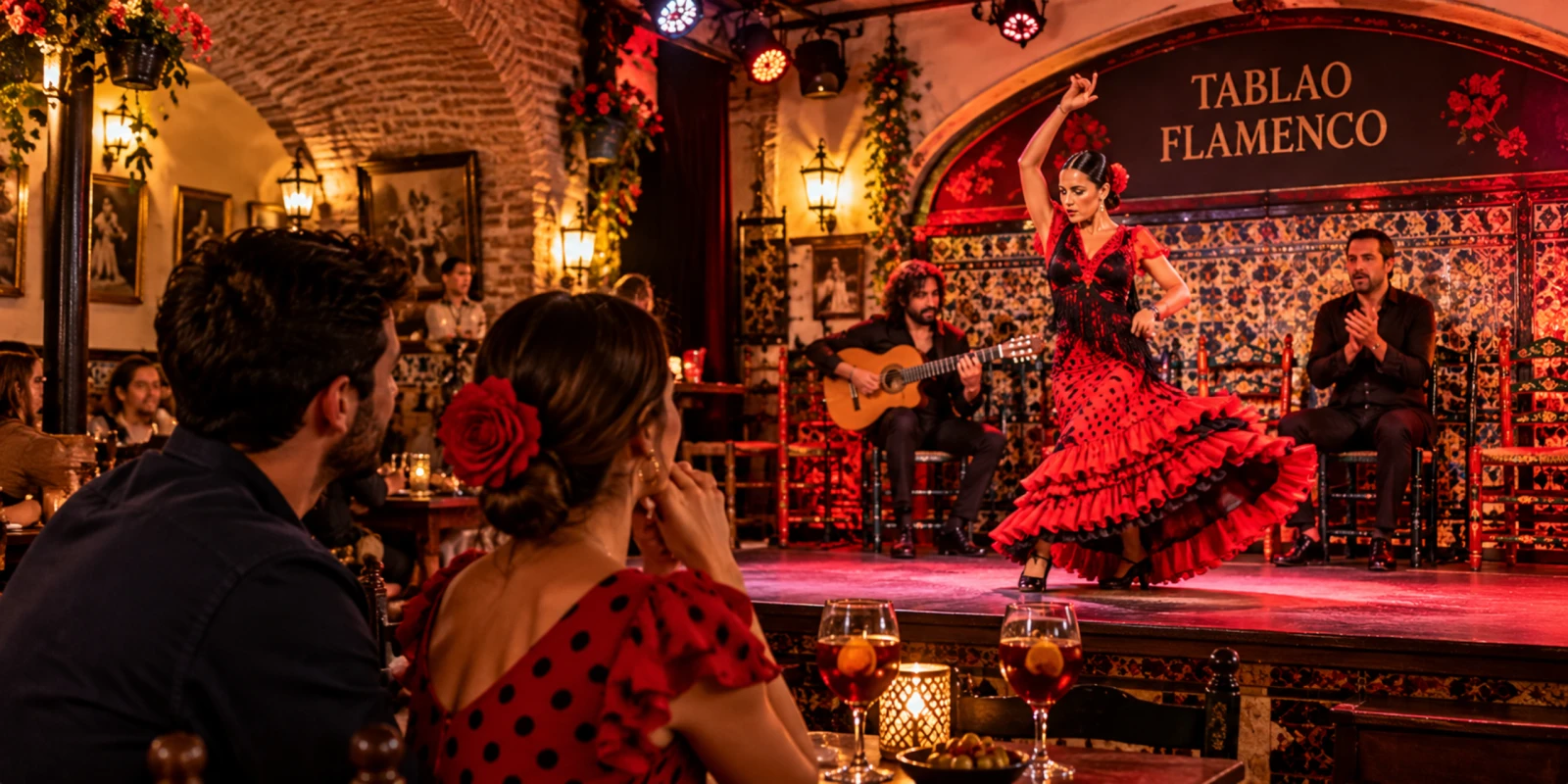
Flamenco show in Madrid, which tablao to book and whether dinner is worth it. A show and a drink for two starts at €50, and the earliest show is at 3pm from Friday to Sunday. Corral de la Morería does not admit children under 7, Torres Bermejas lets under-3s in free, and Cardamomo runs four shows a day if your evening is already taken.
Hiking near Madrid by train comes down to one choice. Want an easy day with nothing to book? Ride to Cercedilla and walk straight off the platform into the Fuenfría valley. Want the high peaks? The Navacerrada pass and Cotos are reached on a booked replacement bus, and the last one down leaves at 6.40pm.
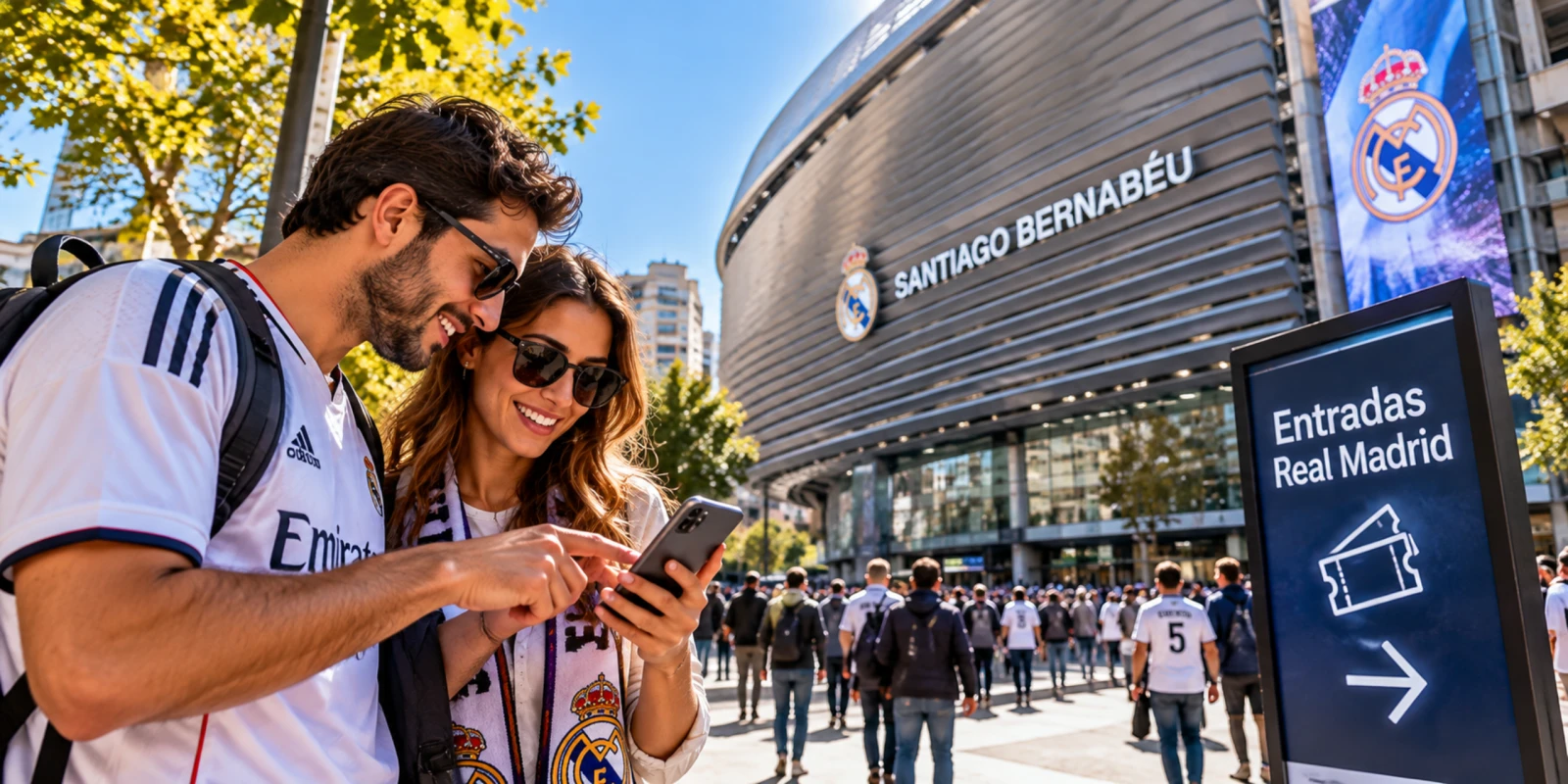
How to get Real Madrid tickets as a tourist without paying a scalper. Public sale opens six days before kick-off at 10am Madrid time, from €75 for league games. Tickets cannot be changed or refunded, a resold one that fails at the turnstile gives you no claim to the club, and from the airport Metro line 8 plus the free S10 bus reach the stadium.
Huertas tapas in Madrid, bar by bar. Which of six Barrio de las Letras bars fits sherry, vermouth with toast, cheese and ham or a proper sit-down plate, how a media differs from a ración, and why a €7 calamari sandwich at Casa Alberto is the cheapest filling order on the street. Plus the Monday trap.
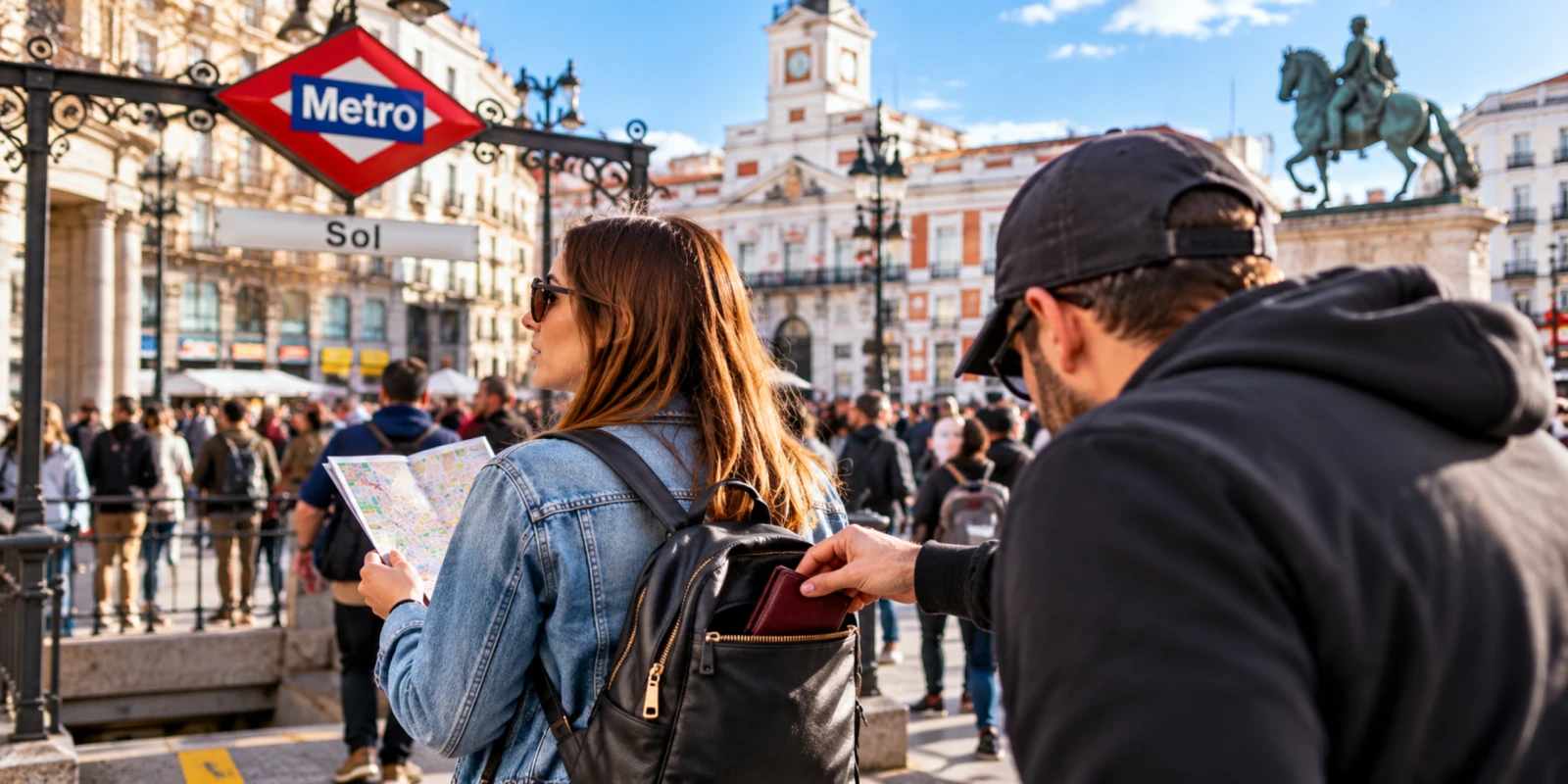
Pickpockets in Madrid, the moments to watch and the steps to take if your wallet or passport goes. The risk is theft by distraction in crowds rather than any one district, and after a theft the order matters, with your bank first, then a police report at SATE, the tourist desk with interpreters open 8.30am to 10pm, then your consulate.
Where to eat huevos rotos in Madrid depends on when you are hungry. Casa Lucio on Cava Baja is the classic sit-down plate, its sister house across the street is cheaper and has a bar, and El Fontán near Sol keeps its kitchen going through the 4pm to 8pm gap when Cava Baja stops serving.
Is Juan Carlos I Park worth the trip? It is if you want open space and a free bike, and it sits on the airport Metro line, so it fits a last half-day in Madrid. Bring your actual passport, pick up the bike at the main gate and keep the free train for the long loops.
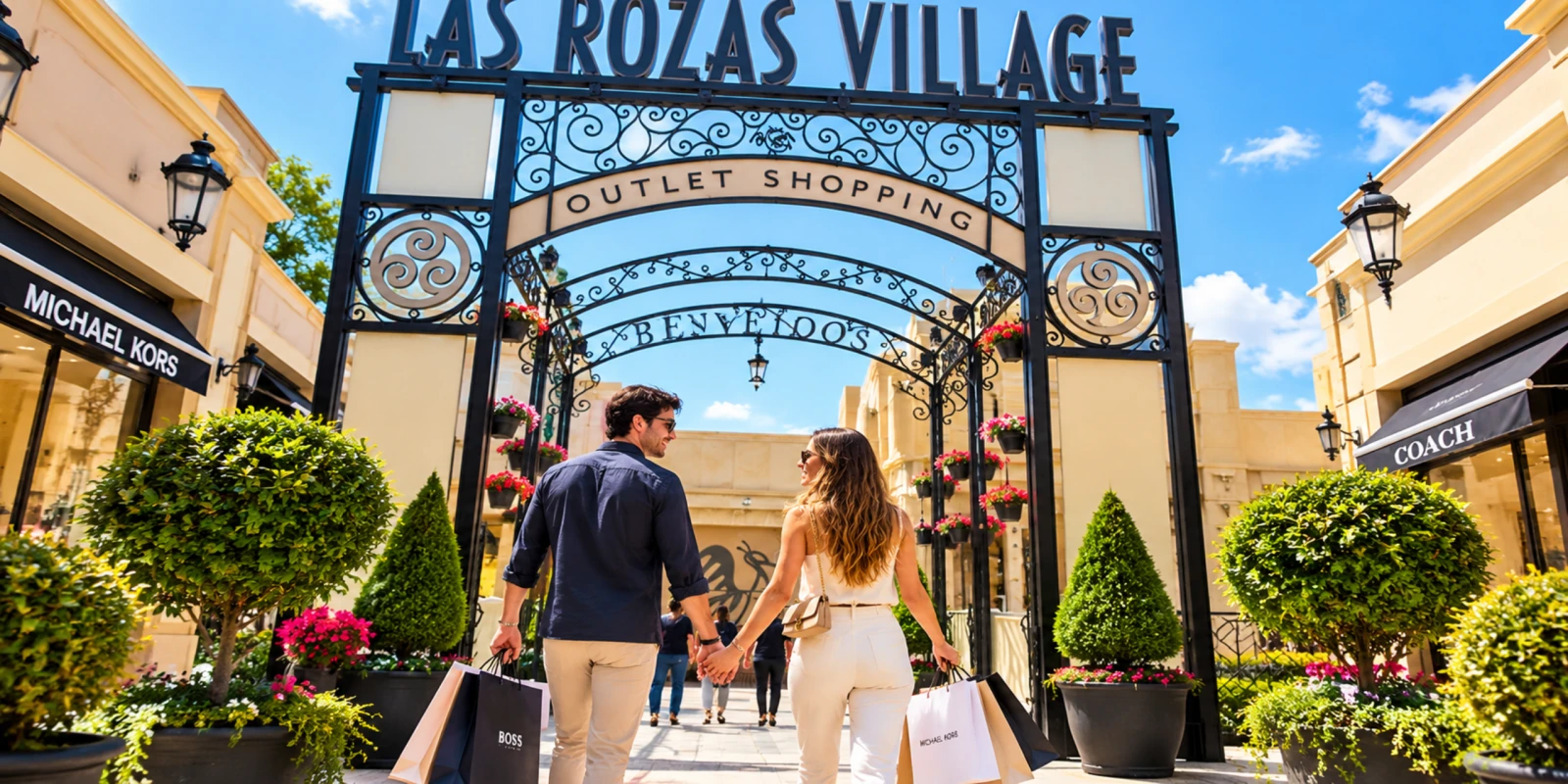
Las Rozas Village from Madrid without a tour. Which bus runs at weekends, which travel pass covers zone B2, when a shared taxi beats it, and how to claim VAT back. The fixed €33 airport taxi fare does not apply out here, so the meter runs, and the refund form must be stamped at a DIVA kiosk at Barajas within three months of buying.
Madrid amusement park tickets, which rides your child can use and where to buy. Kids of 120 cm and over reach almost every ride, and booking online costs far less than the gate. You can bring your own food to the picnic area, and the Gold pass only earns its price with teenagers chasing coasters on a busy Halloween weekend.
What's open in Madrid on Christmas Day, and which holiday morning to save for the museums. The 25th is for the lights, a free nativity scene and a quiet centre. The Exprés Aeropuerto bus runs all night for €5 paid on board, a taxi inside the M-30 is a fixed €33, and on Christmas Eve the Metro shut at 10pm, so plan the way back before dinner.
Madrid day trips by train, and how to choose between five cities. Toledo suits half a day, Cuenca the longest one, and Salamanca only works well on a weekday. The Avant to Toledo costs €13.90 on every departure, Segovia's station sits 4.8 km from the Aqueduct so you add bus 11, and Avila and Segovia do not pair in one day by train.
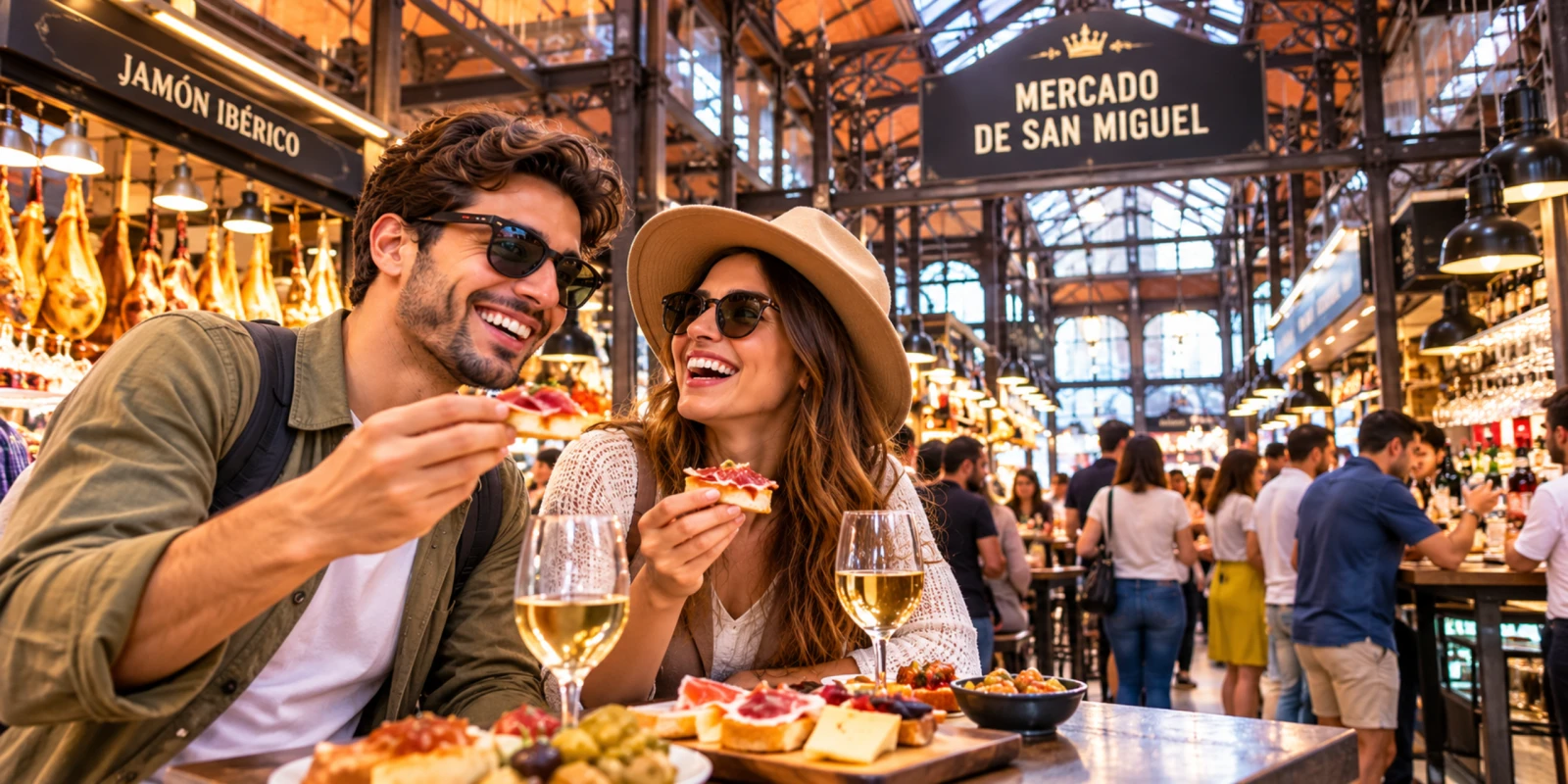
Looking for a Madrid food market that is not San Miguel? Pick it by the hour you want to eat. San Antón in Chueca serves until midnight below its rooftop terrace, San Ildefonso in Malasaña stays open until 1am on Fridays and Saturdays, and La Chispería in the Chamberí market keeps going until 2am.
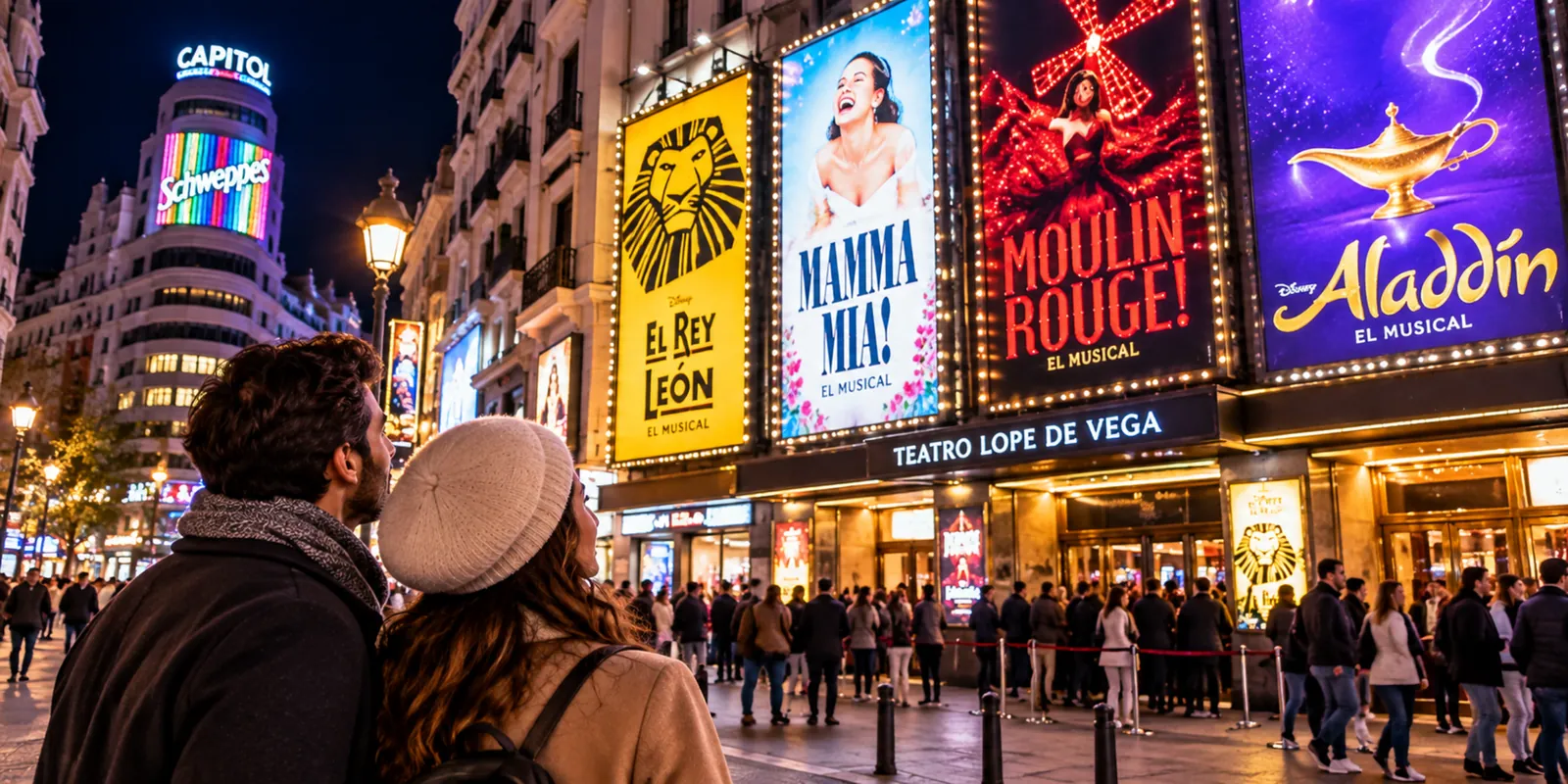
Musicals in Madrid in English? Not this autumn, so choose by how much Spanish you can miss. One show keeps Queen songs in English, and El Rey León costs half midweek. SIX runs as an 80-minute pop concert needing little Spanish, and families should check ages, since Stage admits only over-4s at El Rey León and lists Querido Evan Hansen from 13.
Padrón registration in Madrid for expats, what to bring if you rent a room or stay with friends, how to book with no digital ID and the two-year renewal non-EU residents miss. Book free by phone on 010, and with an electronic ID the formal certificado comes online at once, while the unsigned volante is only informational.
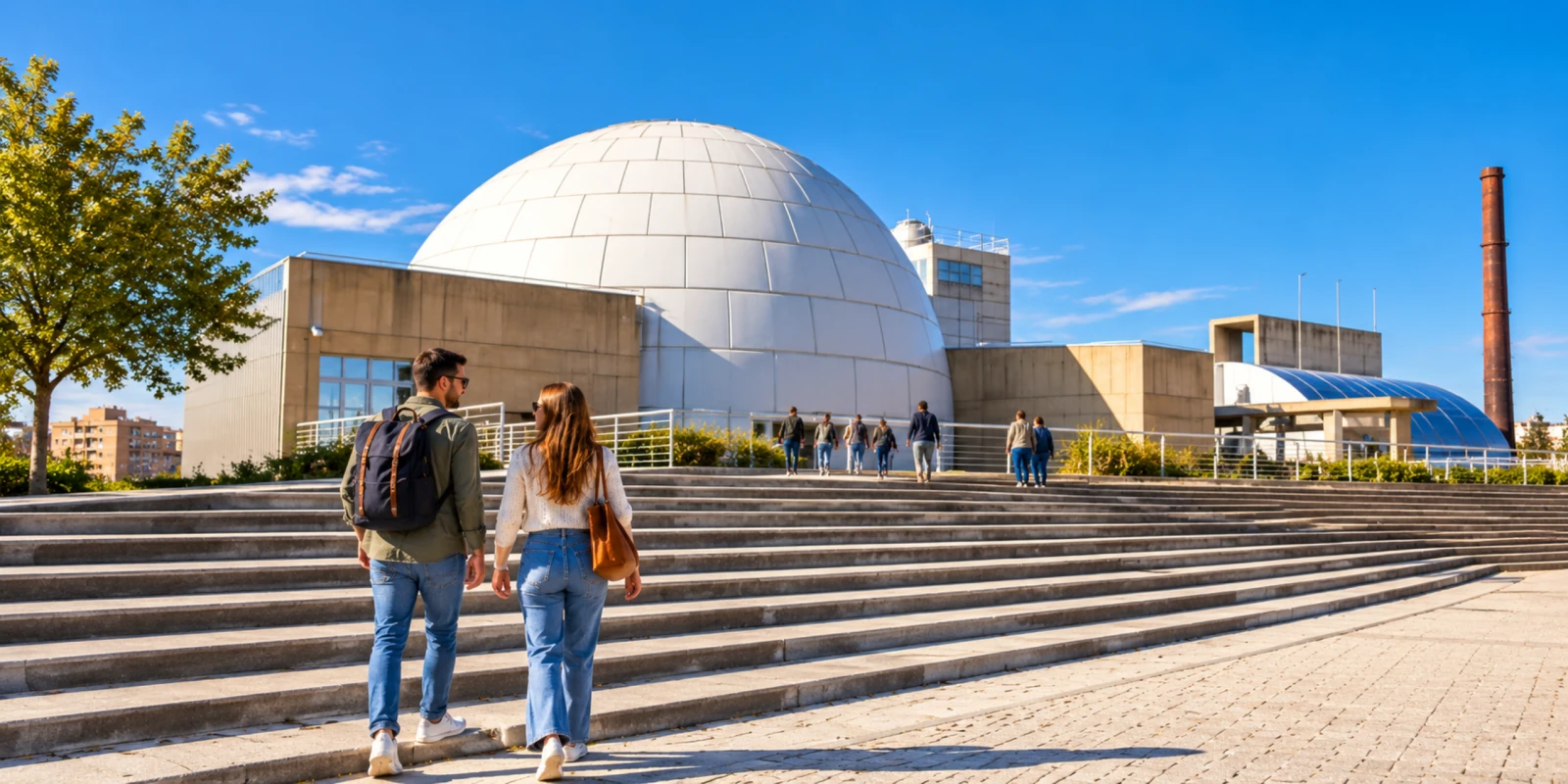
Madrid Planetarium with kids, and whether it works if nobody speaks Spanish. The exhibitions are free, a dome show is short enough for young children, and the two-block timetable leaves Spanish lunchtime empty, so plan a morning or an early evening visit rather than an afternoon one.
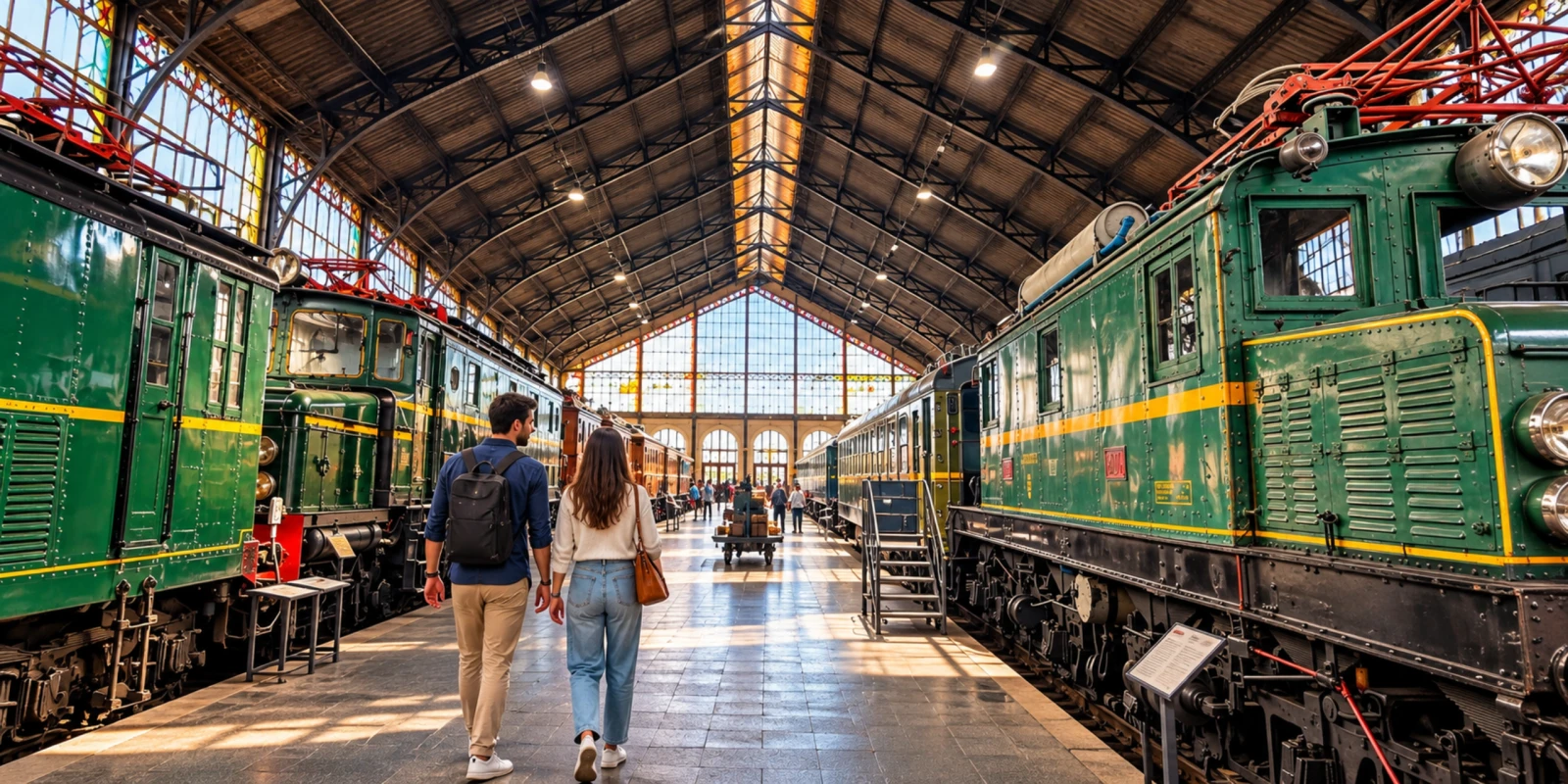
Madrid Railway Museum tickets and hours, sorted for a short trip. It is a morning of real locomotives on 1880 platforms and a huge model railway, reachable by direct train from Airport T4, and InterRail or Eurail holders pay the €4 reduced rate. Just avoid the second weekend of the month, when a free market replaces the visit.
Rental deposit in Madrid, what a landlord can legally ask before you sign, the seasonal contract catch and how to get the money back. On a home lease the cap is 3 months of rent. Claims up to €2,000 need no lawyer after a written attempt to settle, and a month after you hand back the keys the unpaid balance earns legal interest.
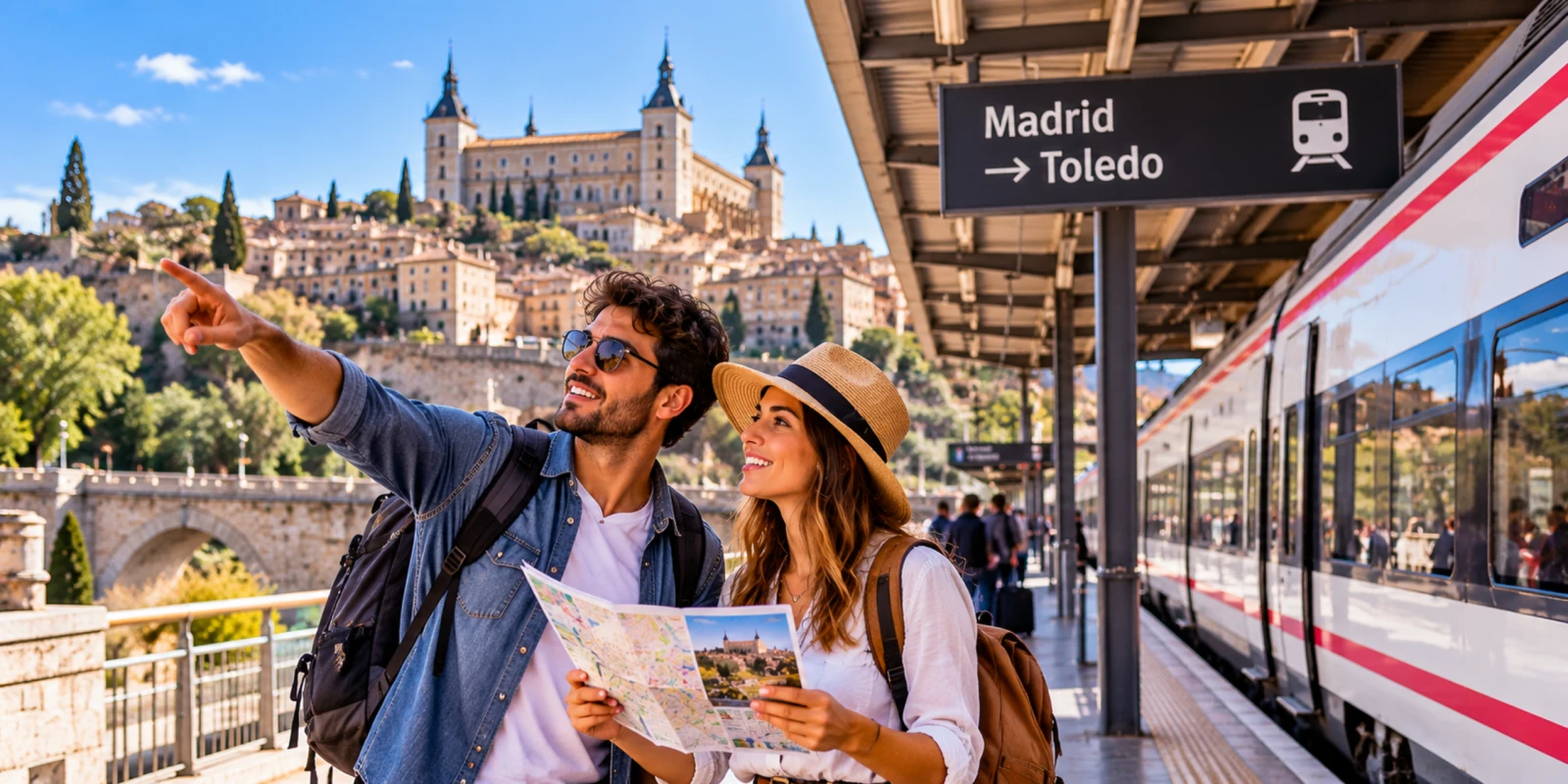
Madrid to Toledo by train or bus, and which one fits your day. The coach costs under half the fare and stops nearer the old town; the Avant wins if your return time is fixed. Buying the Avant return at the same time takes 20% off each leg, and under-15s ride the Toledo city bus free if they ask the driver for a zero ticket and carry proof of age.
Madrid Zoo or Faunia with kids? Let the travel dates decide first. The Zoo opens every day through the autumn, while Faunia shuts on some weekdays until Christmas. Then weigh pandas and a shark tunnel against penguins and an indoor rainforest, and remember Faunia prices children by height, so toddlers under a metre go free.
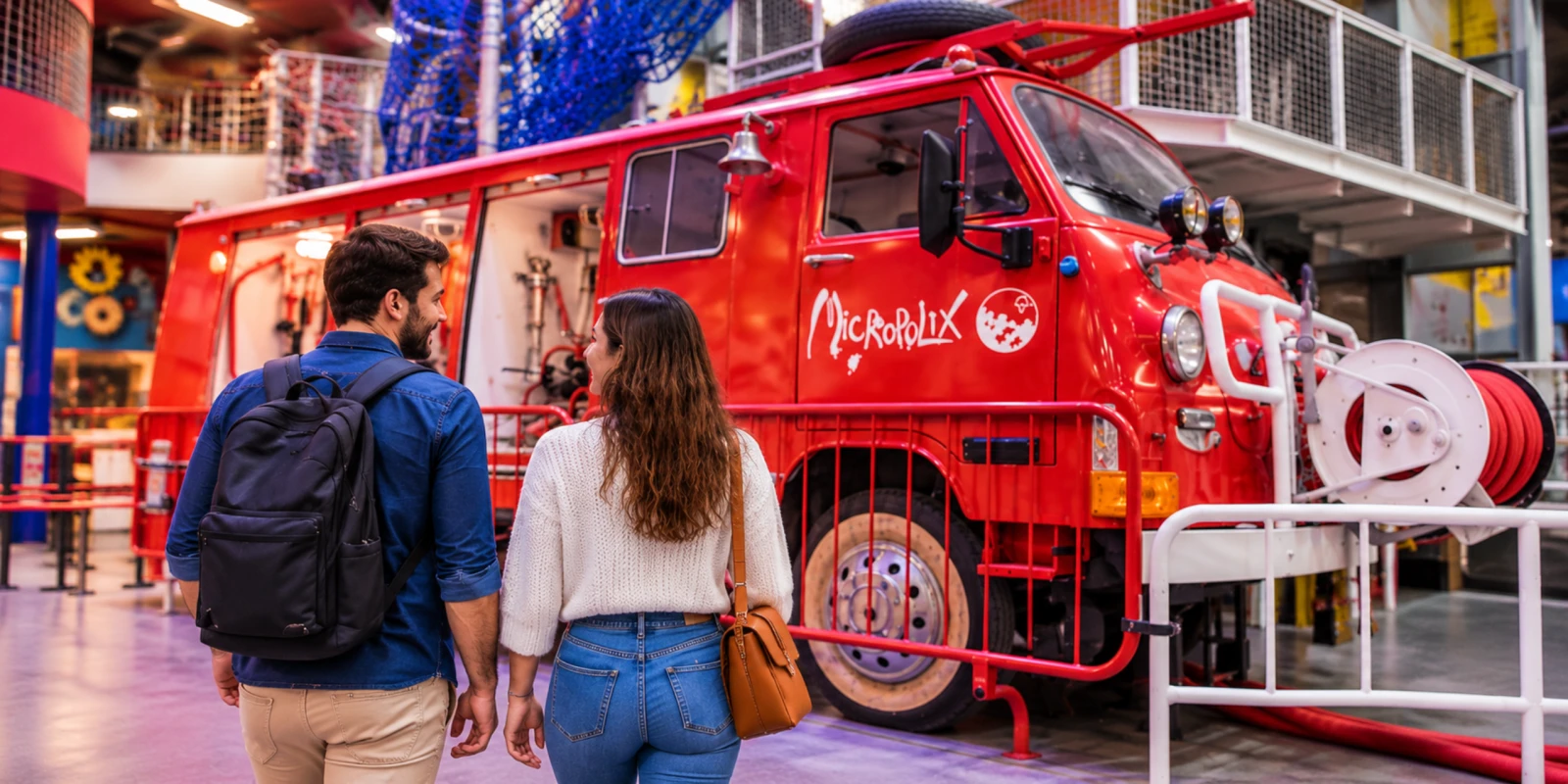
Is Micropolix worth it? For a child of 7 to 14 with some Spanish, yes, since they can do every activity and the whole city is indoors. Younger children miss the adventure activities, and a Friday evening is the cheapest slot for a family but leaves only three and a half hours inside.
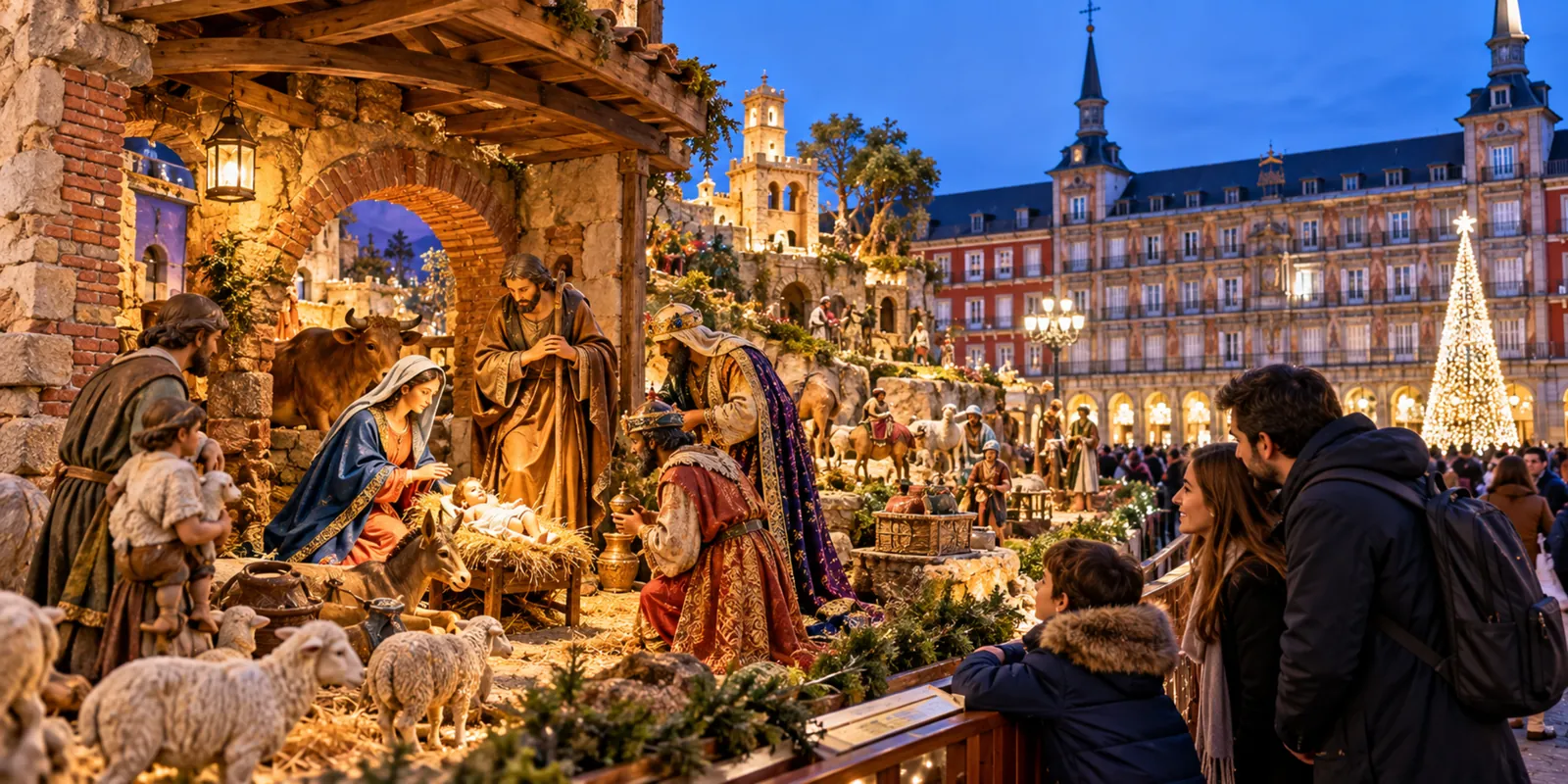
Where to see nativity scenes in Madrid, and when? Sol is the one for after dark with no ticket, CentroCentro needs a free timed slot, and two museums keep theirs past 6 January. The Madrid History Museum kept its scene until 1 February, the Belén del Príncipe is entered by the Arco de Santiago, and CentroCentro's online booking costs €0.50.
Naviluz Madrid, whether the Christmas lights bus is worth it and which departure to book. The 9pm and 10pm buses were the cheap ones in 2025-26, and none of them pass Sol. Children under 7 ride free but need a ticket, wheelchair users sit on the lower deck where the view is partial, and the ride ends at Neptuno, 900 metres from the Sol tree.
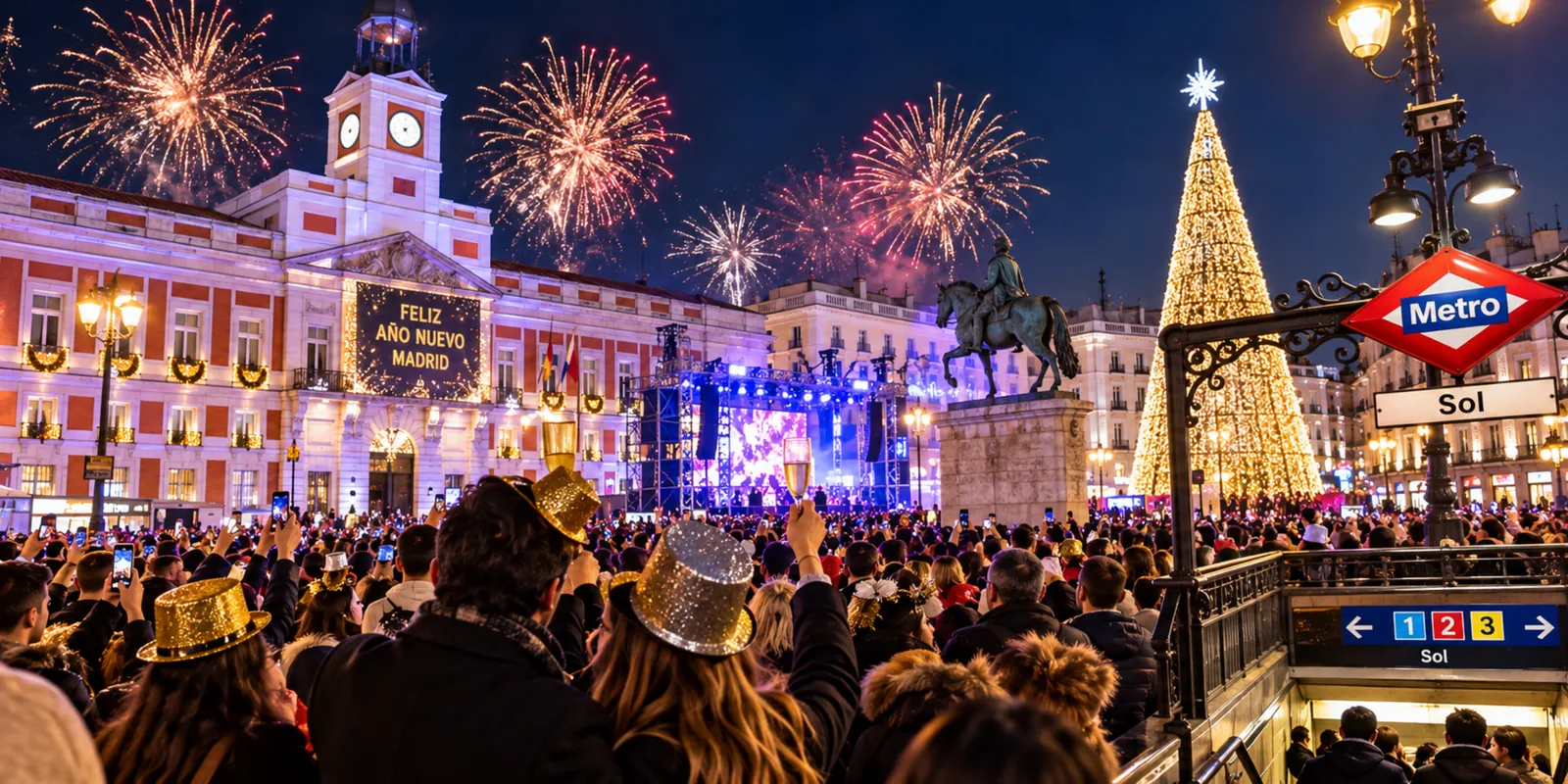
New Year's Eve at Puerta del Sol, whether it is worth it and how to plan the night. Entry is free and capped at 15,000, and the Metro does not run late, so plan the way home first. Night buses left Cibeles from 10.30pm until 7am, and the rehearsal chimes at midnight on 30 December give you the same square while leaving the 31st free for dinner.
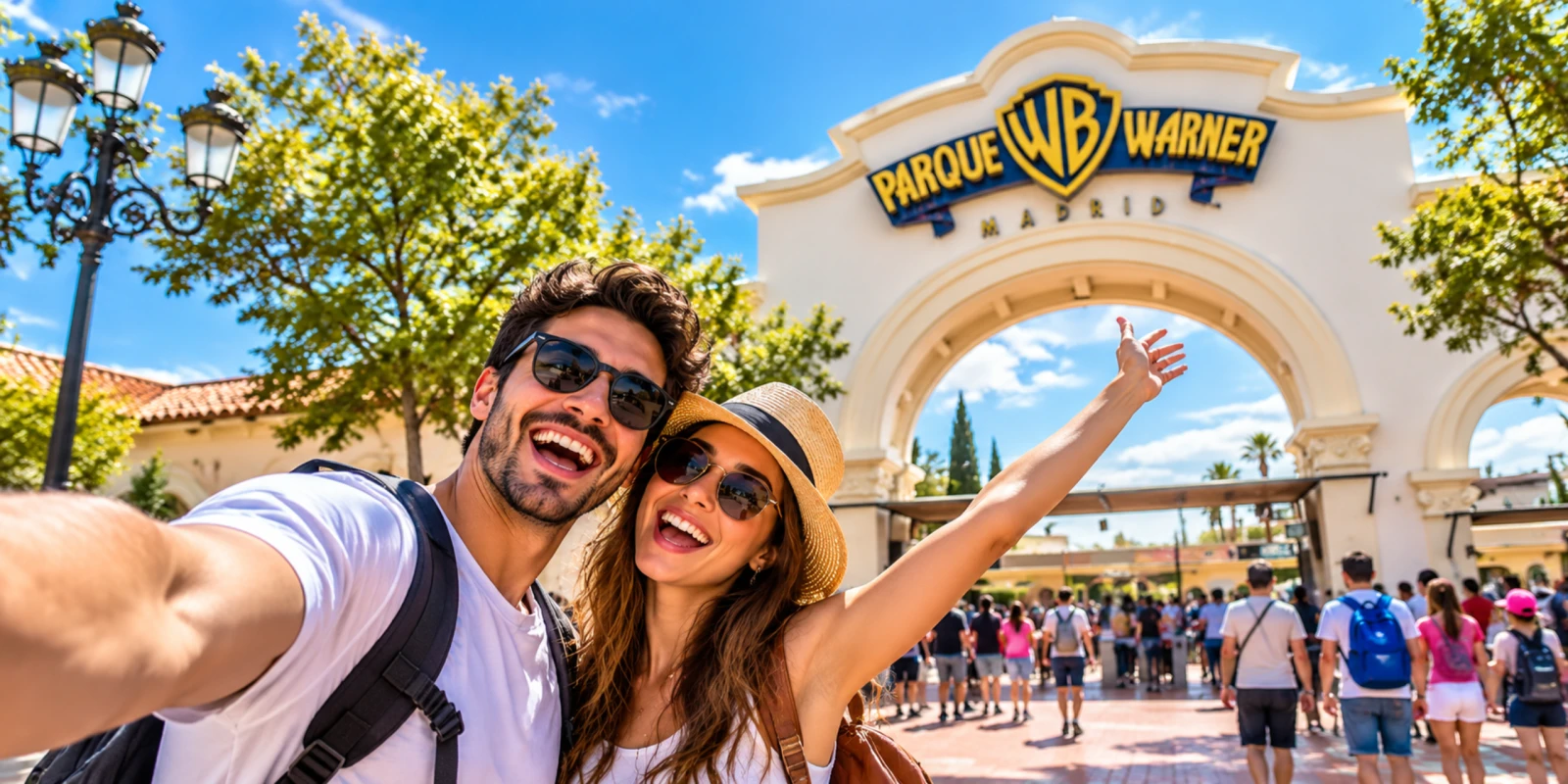
Parque Warner from Madrid without a car, and how to get home without being stranded at a suburban station after dark. Which route suits you from the centre, the airport or the south, which ticket covers train and bus in one go, and why buying online can save up to €30 a head on the gate price.
Plaza Mayor Christmas market in Madrid, is it worth it? Yes for nativity figures and ornaments, no for mulled wine; crafts are on Paseo de Recoletos, skating at Plaza de España. Stalls publish no prices, so ask at each one, and after Christmas note that the Recoletos fair closed on 30 December while La Navideña's rink ran until 11 January.
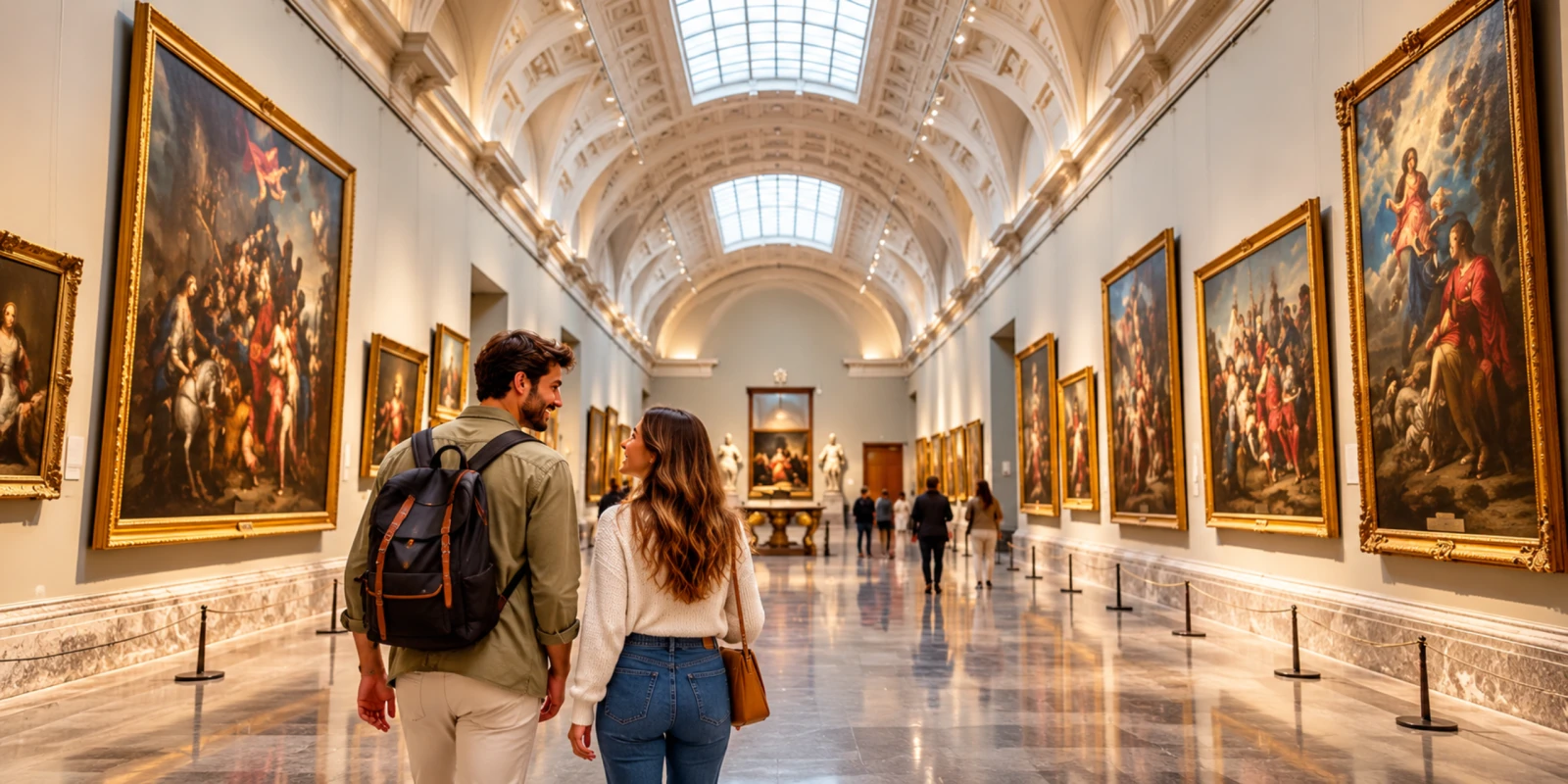
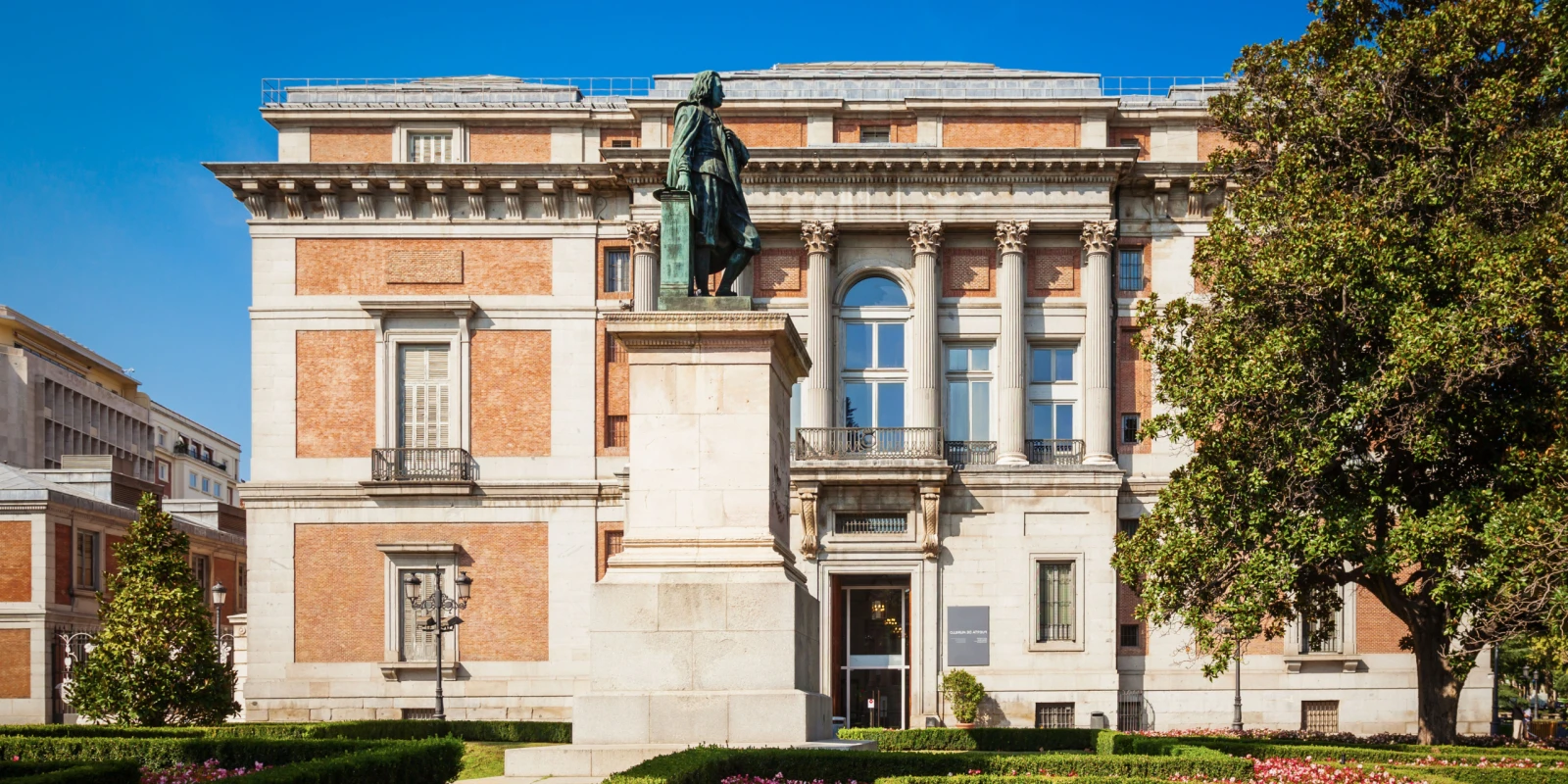
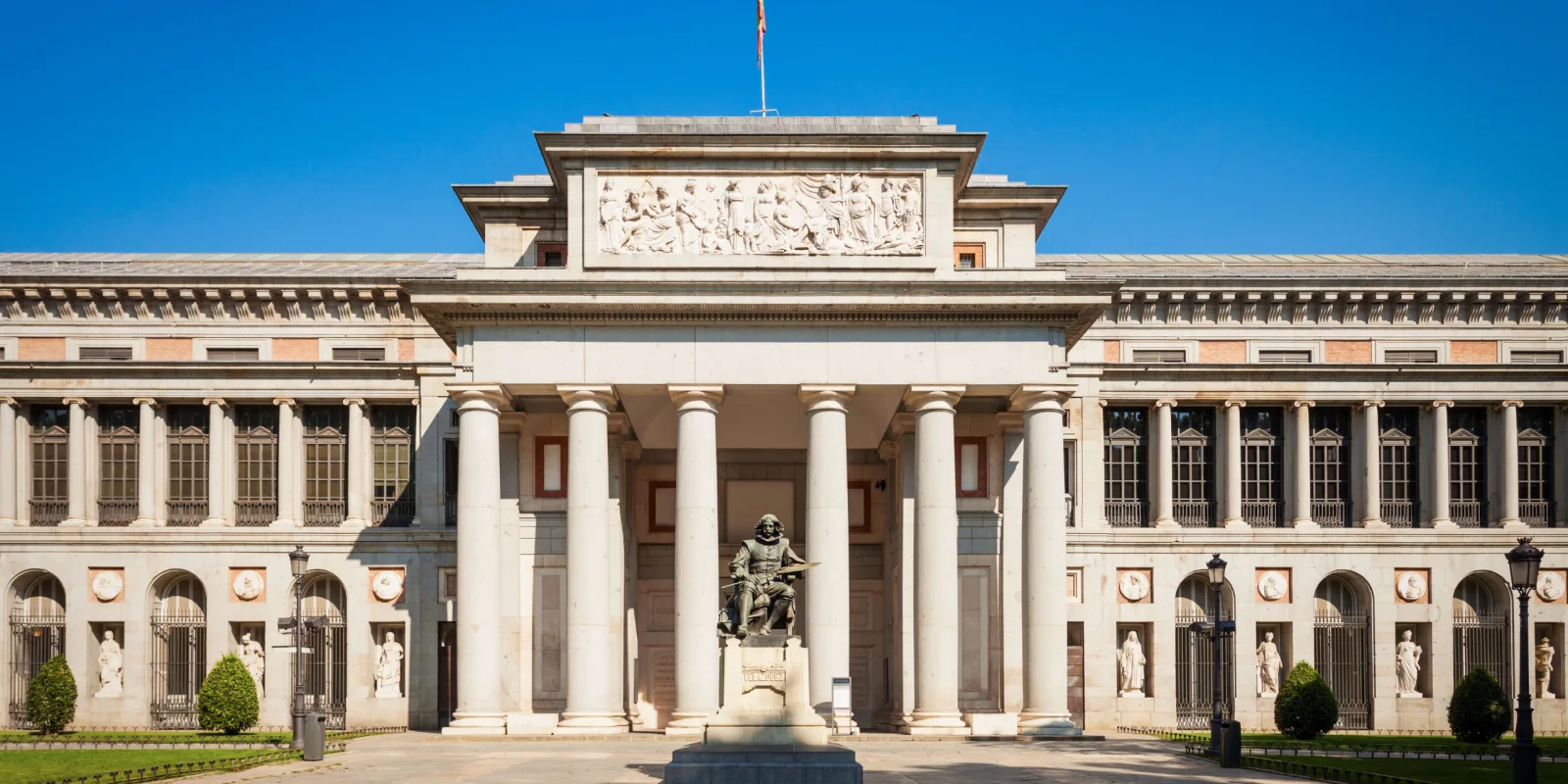
Prado Museum, how long to spend. Why two hours is the sweet spot, what time to walk in for the free evening, and which door gets you past the ticket queue. An online ticket, even for today, skips the desks at the Goya entrance, under-18s go free with ID, and the one-hour route covers Las Meninas and The Third of May 1808.
Restaurants near Bernabeu stadium, and which one suits a tour day, a match night or a table facing the pitch. The stadium runs five places to eat, from two pitch-view dining rooms to a food hall of about twenty stalls, and on match days only a booked table or the bar across the street is safe.
Looking for restaurants near the Royal Palace in Madrid that feed you when you are actually hungry? Seven places within a 650-metre walk, sorted by the hours they keep, from all-day terraces on Plaza de Oriente to a cocido house that stops serving mid-afternoon, plus when to book and what the bill looks like.
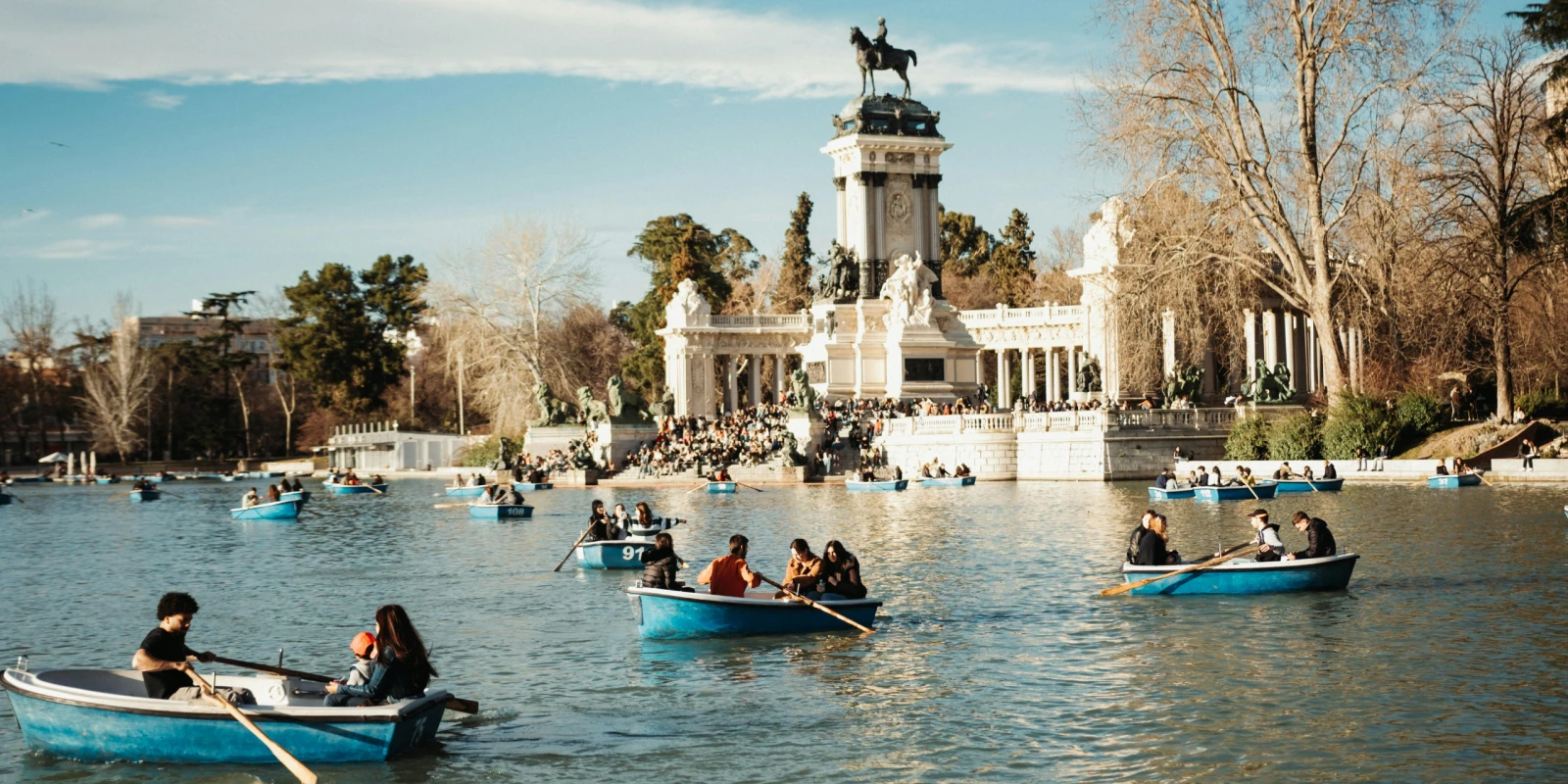
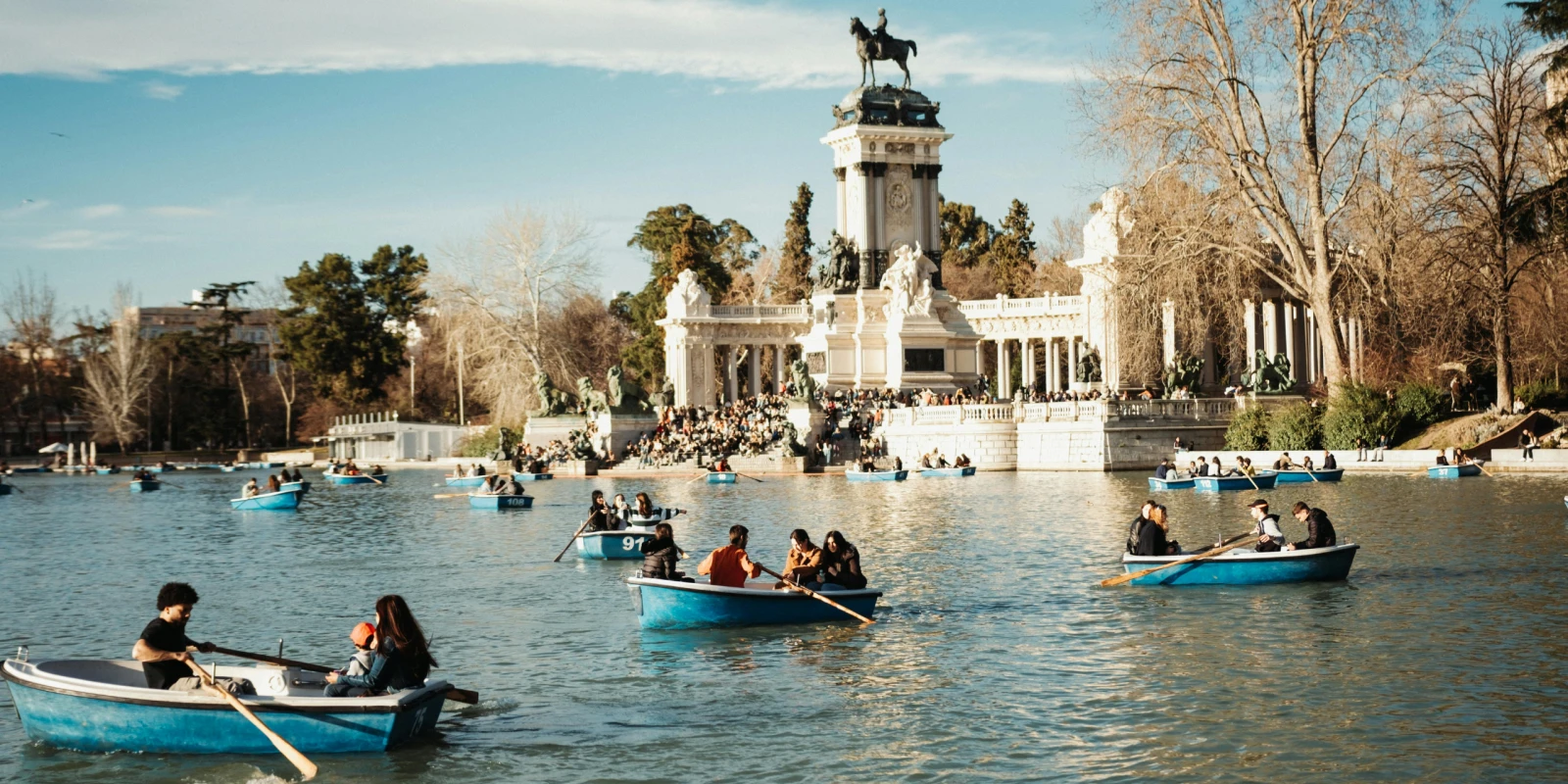
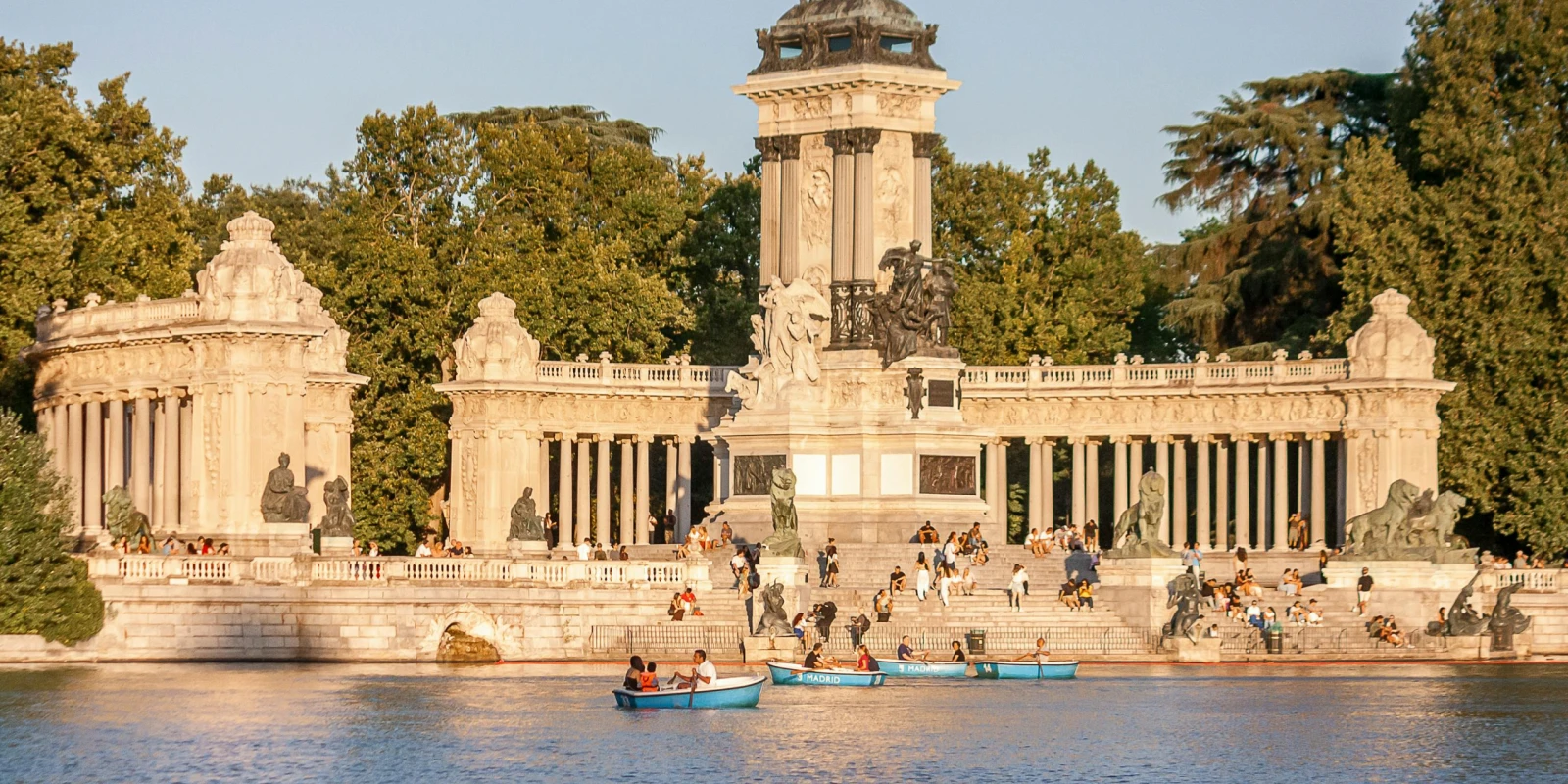
Retiro Park boat rental, when to go and whether to book. The booth sells without a booking all day, online slots need 12 hours notice and weekdays save €2 a boat. Over-65s pay €1.80 on non-holiday weekdays before 2pm, under-14s must row with an adult, and the boats only stay moored on four winter holidays or when high wind shuts the park.
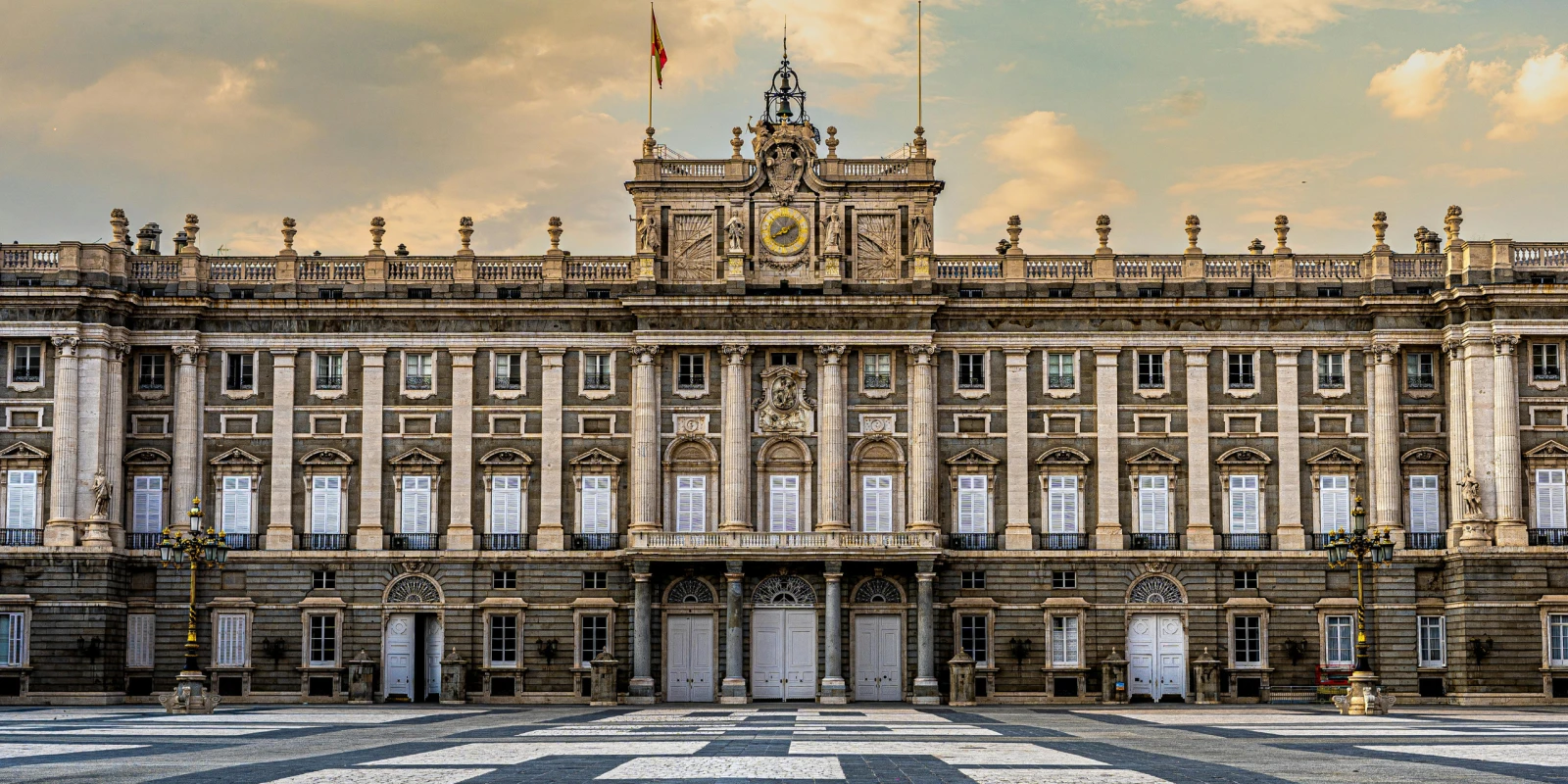
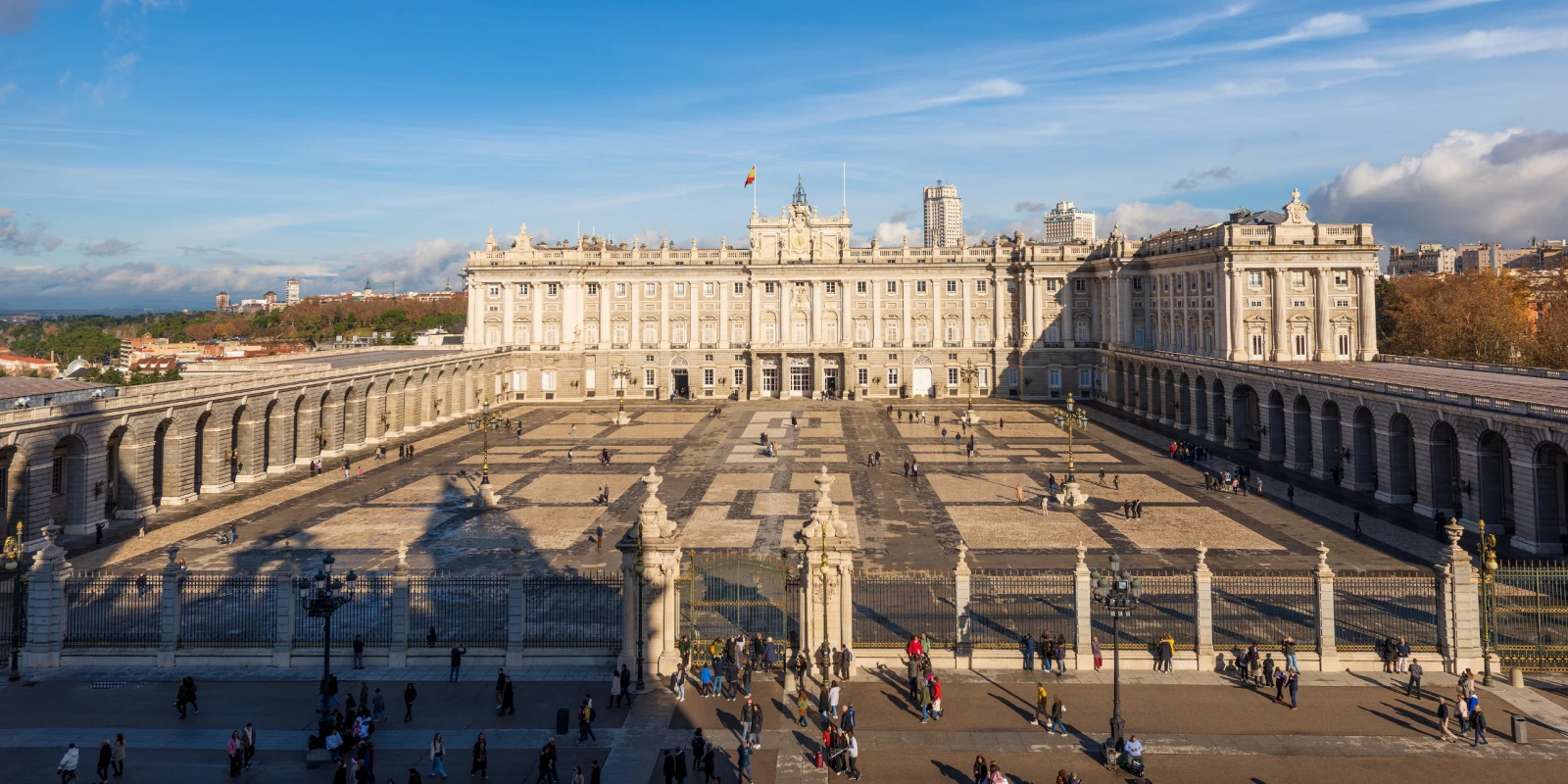
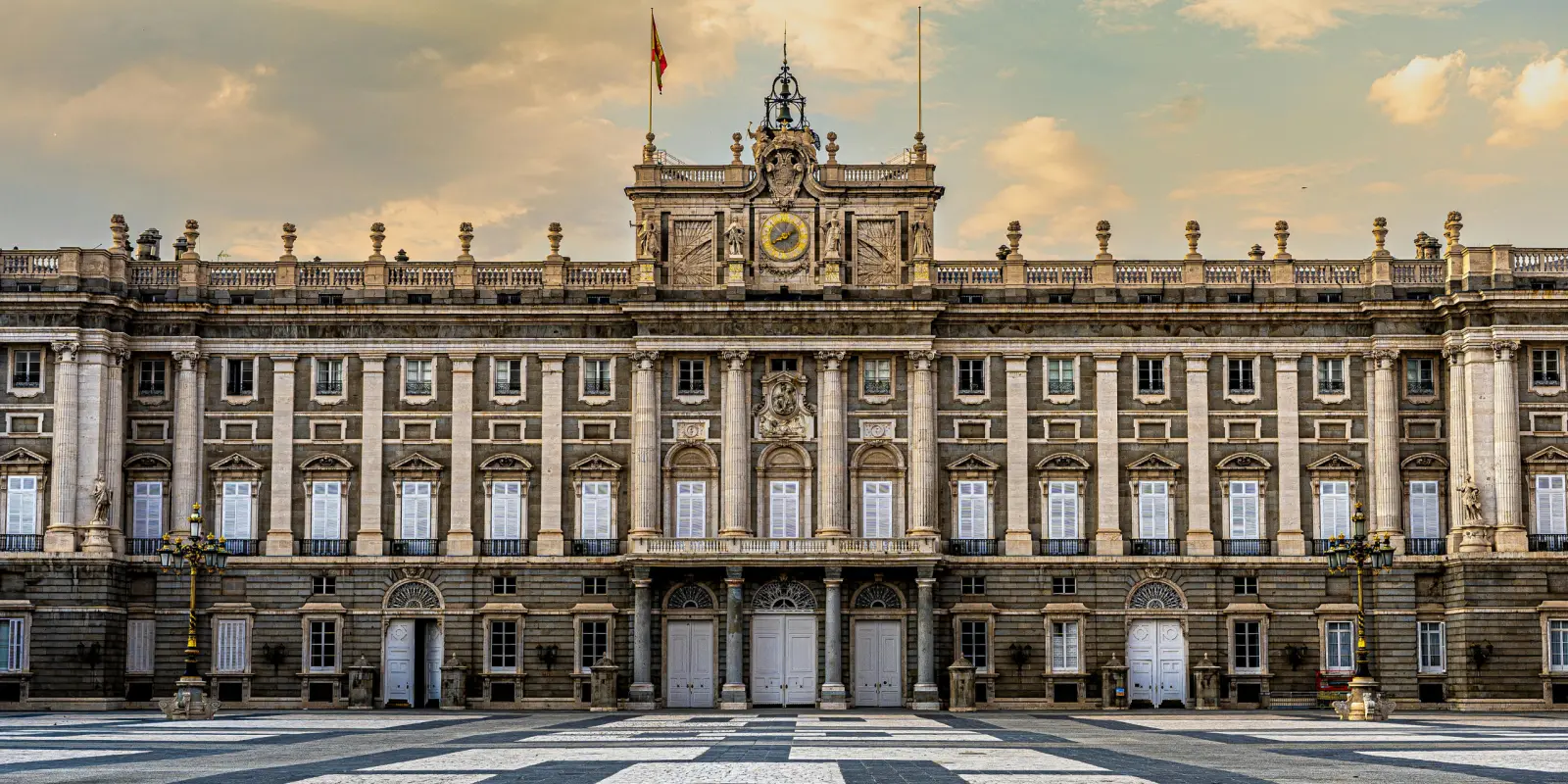
Is the Royal Palace in Madrid worth visiting? For gilded state rooms, yes. Walk it on your own, and book the English tour only if you want the stories behind the Throne Room. Entry closes an hour before the palace, so on Sundays be in by 3pm, and the changing of the guard on the first Wednesday of each month at noon is free to watch.
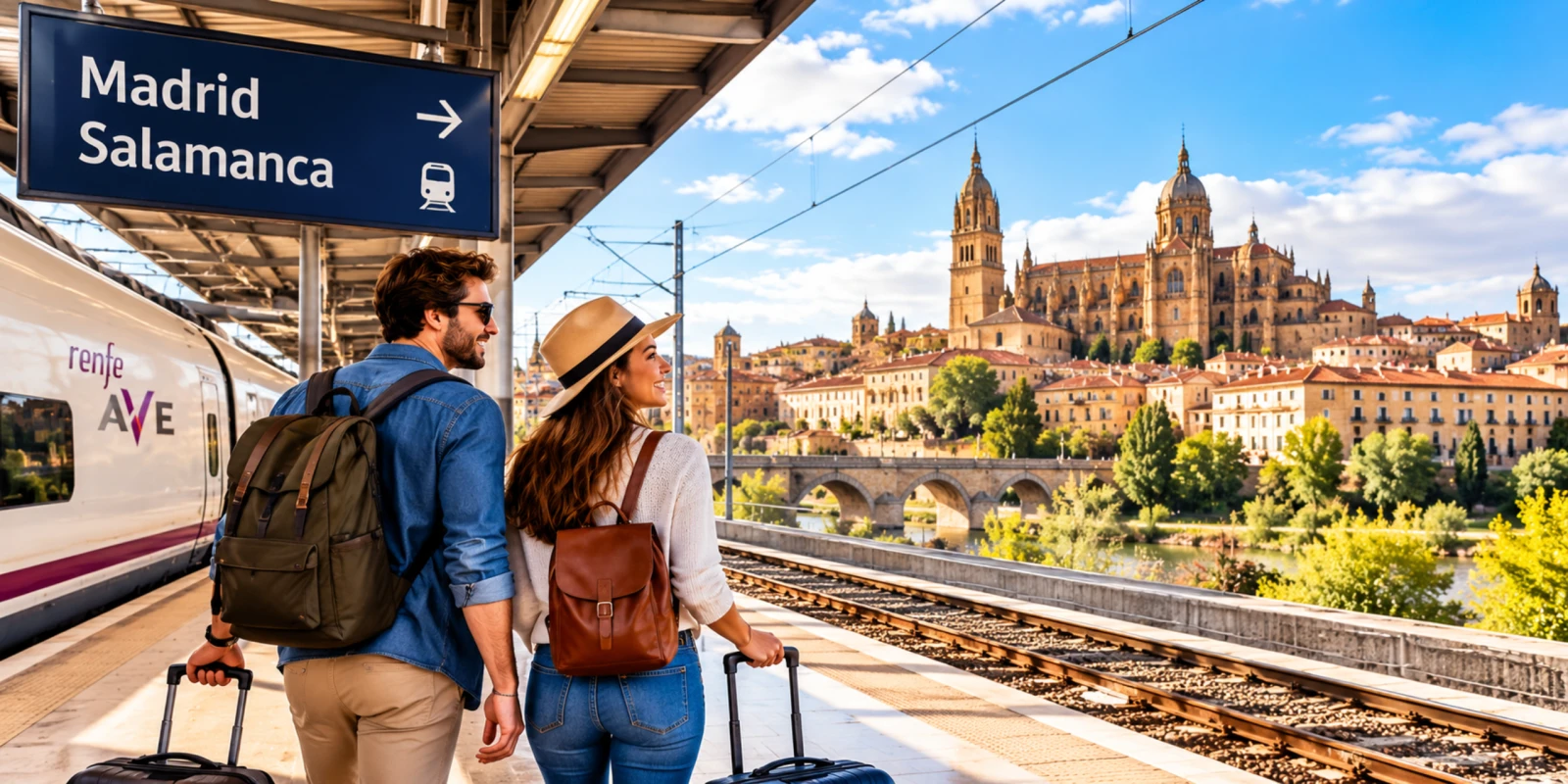
Is Salamanca a good day trip from Madrid? Yes on a weekday, when the early Alvia gives you more than eight hours in an old town you can walk end to end. Which train to take on which day, what shuts on a Sunday, and whether going by train on your own beats a coach tour.
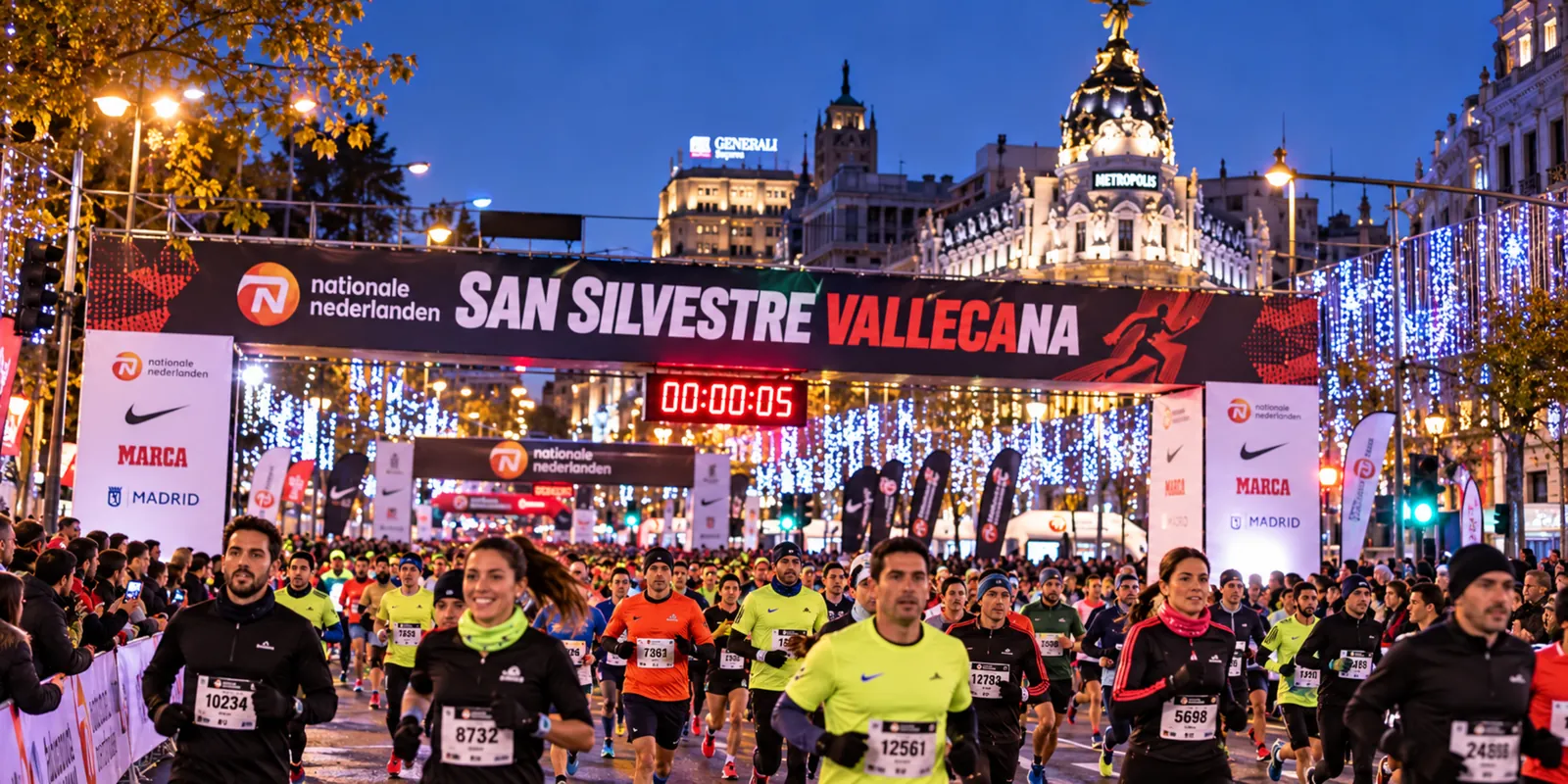
San Silvestre Vallecana for visiting runners, whether it is worth the trip and when to land. Bibs are never handed out on race day, so the last pick-up is 30 December. Bibs can be posted for €5 to Spain, the UK and a few European countries, anyone aged 16 or over can enter, and the Metro for the start is Concha Espina on line 9.
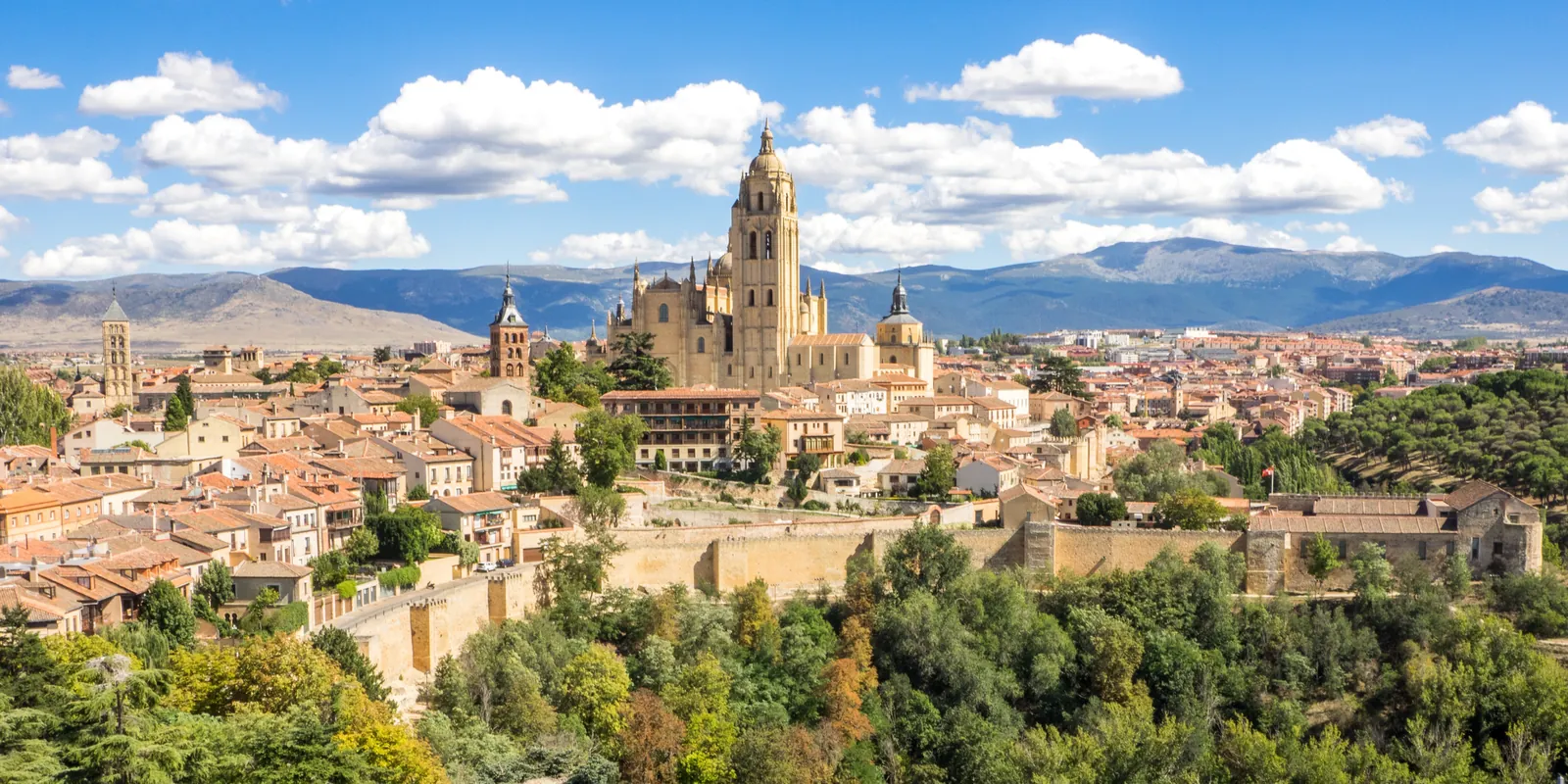
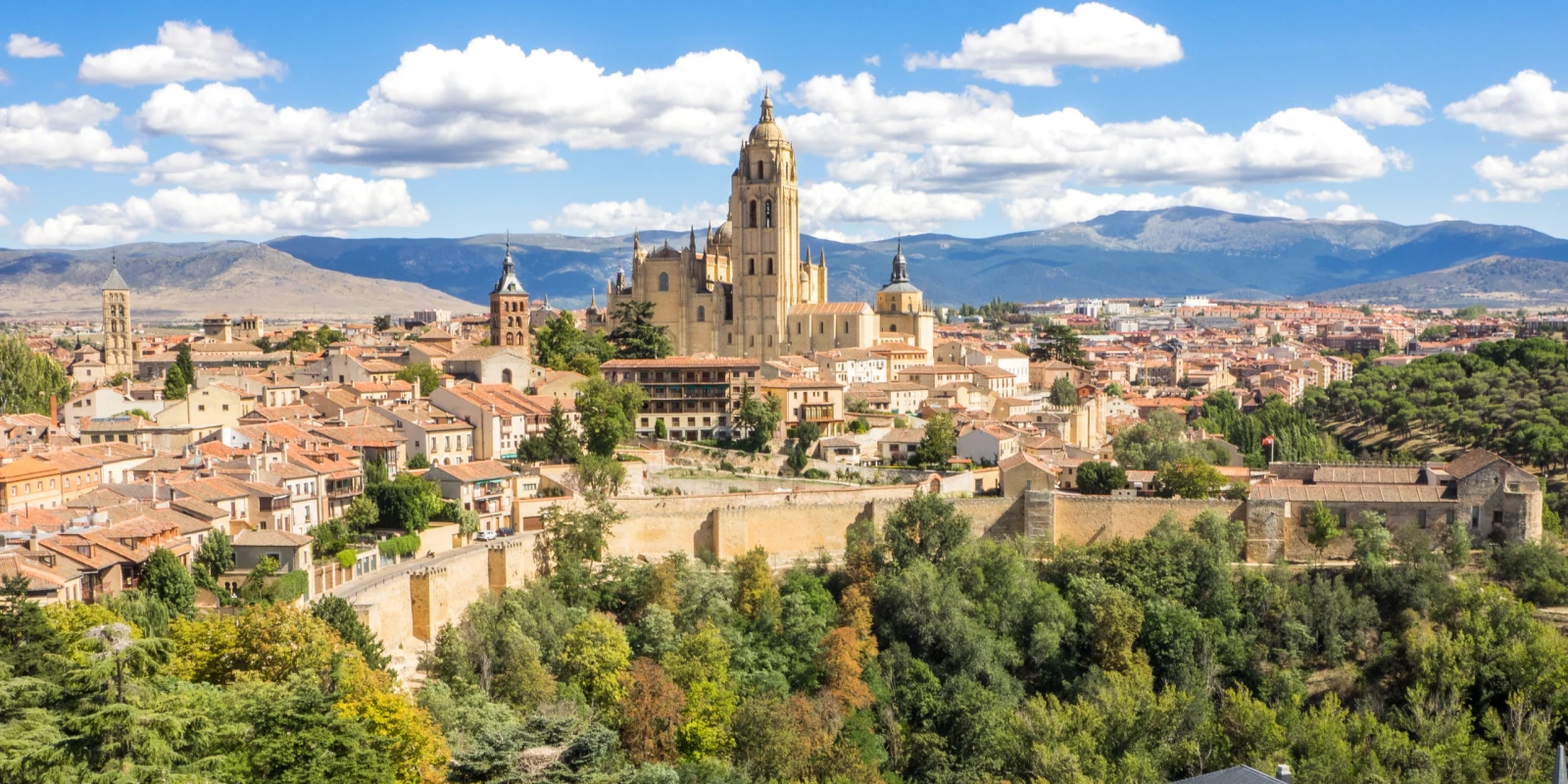
Segovia day trip from Madrid, planned around the trains. Book the Avant rather than the AVE, take bus 11 into town, and on Sundays leave the Aqueduct by 8.40pm. The Cathedral costs €4 and the Alcázar opens at 10am daily, all within 1.4 km of the Aqueduct, and at weekends it pays to book the Alcázar tower ahead.
Where can you ski near Madrid without a car this winter? One resort and one bus. Valdesquí is the only nearby resort running a normal season, and bus 691 from Moncloa stops in its car park. Catch an early bus to get a full day on the lifts, and plan around the last bus down, which leaves at about 6.20pm at weekends.
Strawberry Train from Madrid to Aranjuez, which ticket suits a visitor and whether it beats the regular train. The English Tour at €53 is the only route guided in English, while the train-only fare plus your own palace ticket comes to €41 and leaves the day to you.
Tax free shopping in Madrid, and whether the refund is worth it. Every €100 you spend holds €17.36 of VAT, and Barajas pays out in cash around the clock at T4. Spanish law sets no minimum spend, so there is no €90 threshold, Aena lists 8 DIVA kiosks across T1, T2 and T4, and card refunds leave you more than cash, which adds a handling charge.
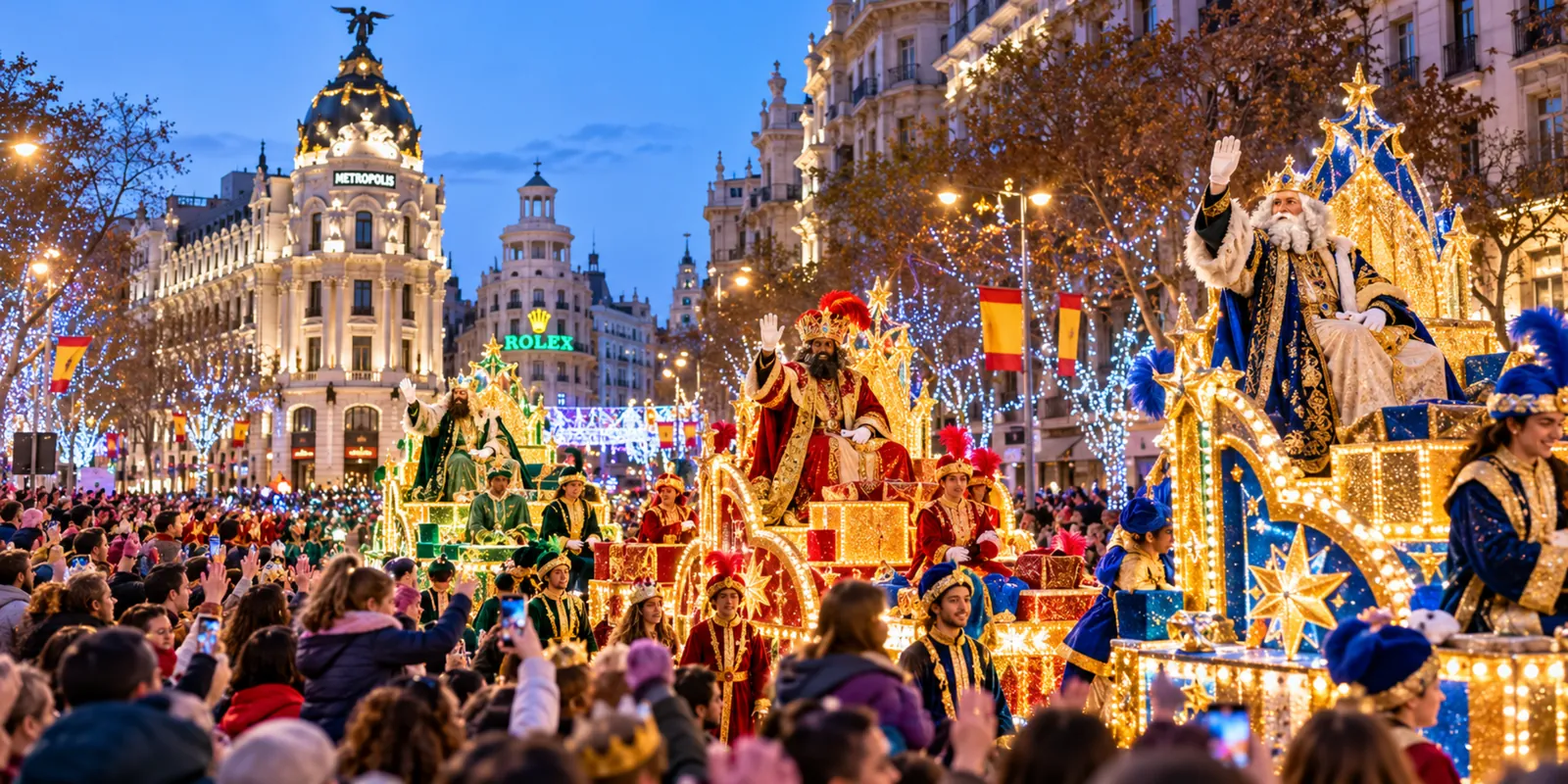
Three Kings Parade Madrid, where to stand and how to plan dinner and the Metro home. Colón has two wheelchair areas, and Recoletos is the exit if Banco de España shuts. Standing on the pavement is free along the whole route, as the Cibeles grandstand is by invitation, and 6 January is a national holiday, so many shops close.
Toledo or Segovia for a day trip from Madrid? Toledo is the one for art lovers and church interiors, Segovia the easier day with children or on a Sunday. The train costs the same to both, so the choice comes down to what is open when you arrive, and on Sunday mornings only the Alcázar of Segovia lets visitors in.
Usera Chinatown in Madrid, and where to eat once you step off the Metro. Pick by craving, not by ranking. Hong Kong 70 is the easy first Cantonese roast with an English photo menu, Guo Rong the seafood table you book at weekends, and Lao Tou the place for Wenzhou dishes you rarely meet abroad.
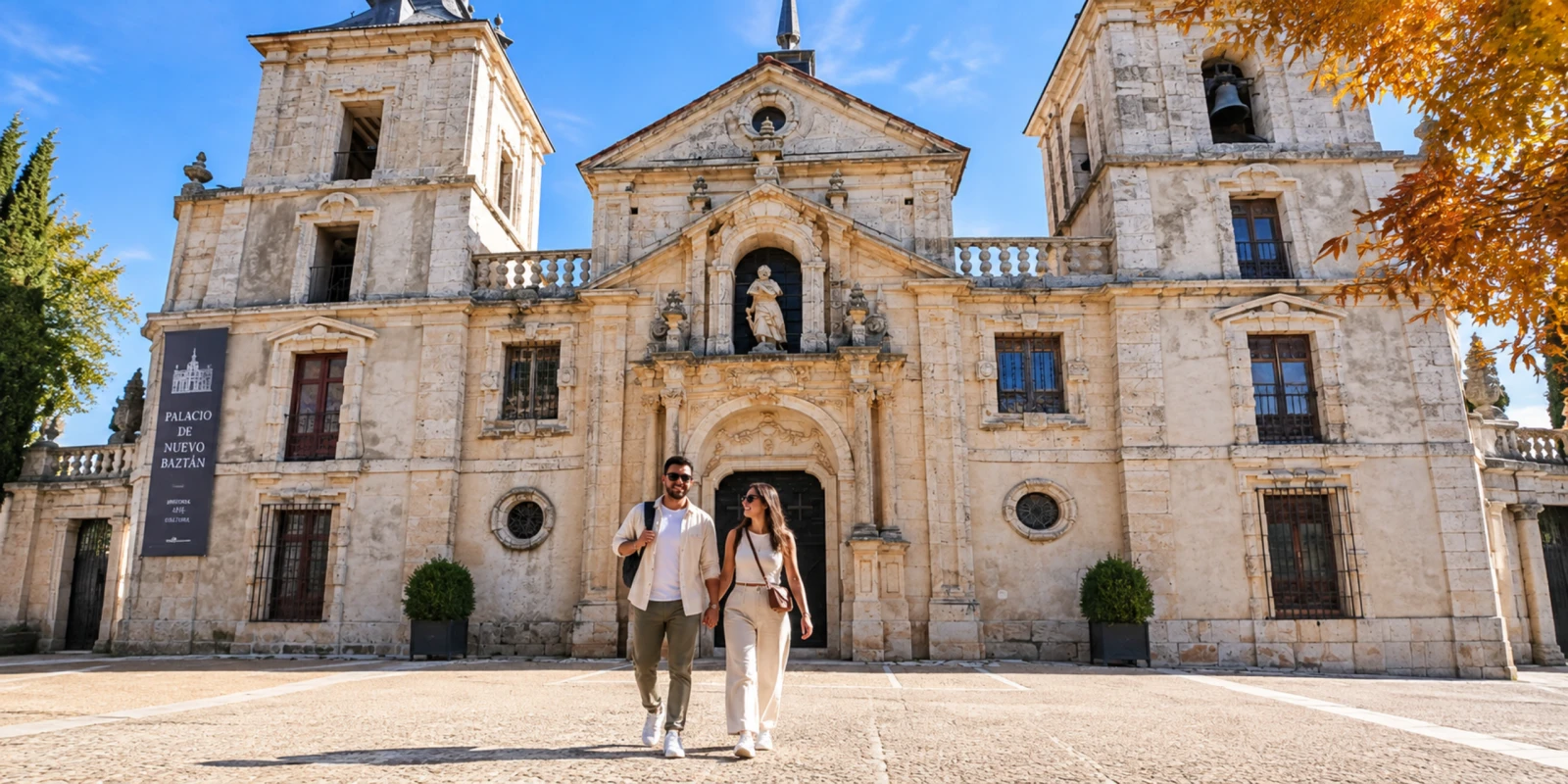
The famous square is open air and costs €0, which is why almost nobody realises the rest of the village has a door. The theatre and the clock tower open only on a guided visit, which for an independent traveller means one slot a week, Sundays at 10am, 90 minutes and €5, with none at all from June to September.
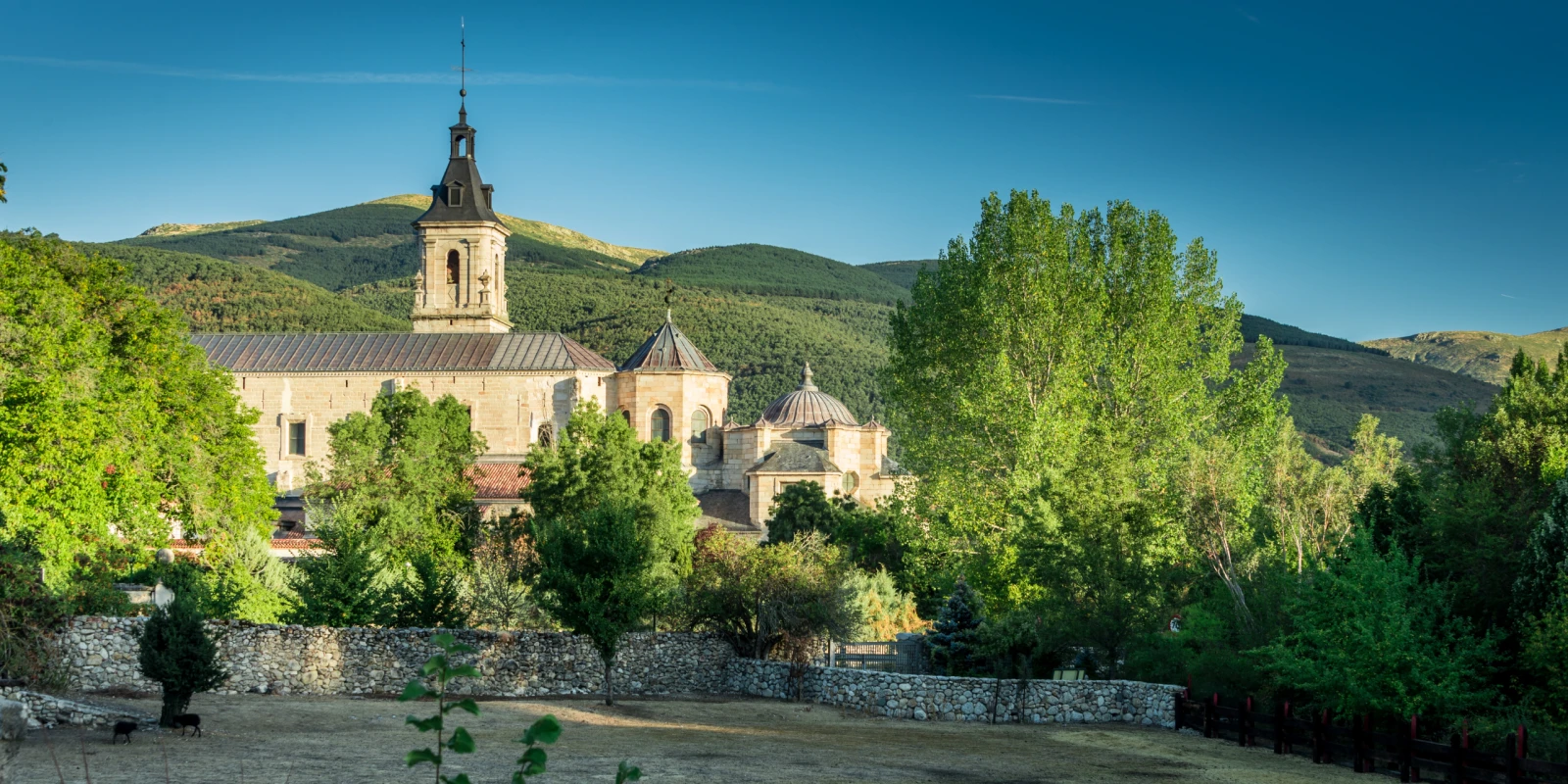
This is a working monastery rather than a museum, and it shuts on Mondays and Tuesdays all year, opening 11am to 2pm and 4pm to 6pm. The regional visitor centre across the road shuts on weekdays from November to March, so there are days when only one door opens and days when neither does.
Eleven villages and sites around Madrid, and in each one something other than the opening hours decides whether you get in. A castle shut since January 2025, a tour that needs 20 people, a car park reserved for residents, a quota of 270 parked vehicles and a monastery closed Mondays and Tuesdays. Each row carries the date its detail was current.
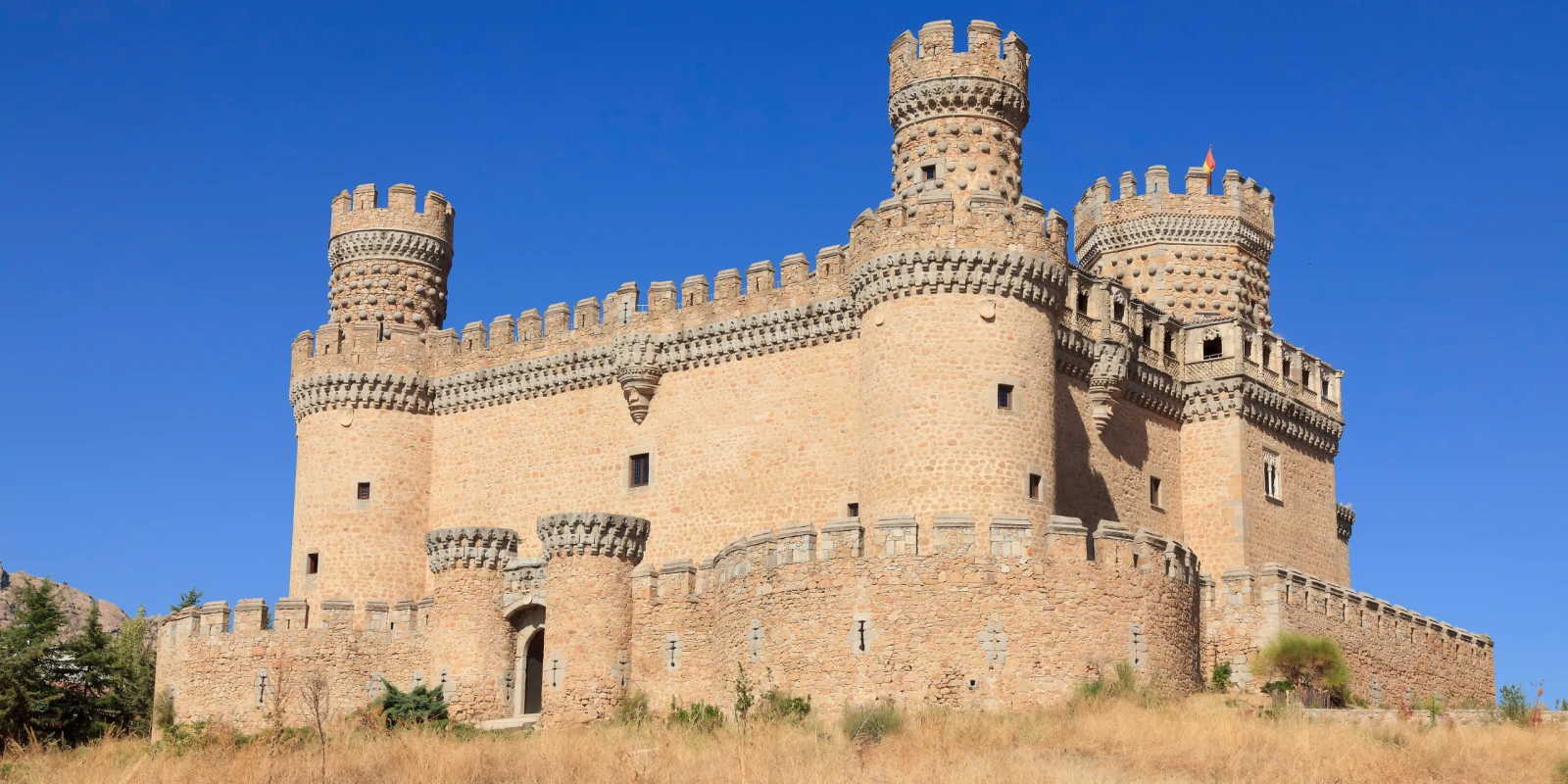
The castle's own website answers in one line that it remains closed to the public, and it has been since January 2025. A fortress of 1475 with no tickets, no hours and no date. The cause is a permit the regional body never needed after 50 years, and rural land that makes the process slow.
Turn up at the Palacio de Goyeneche at 11.30am on a Saturday and you walk the town with a guide for €5, no booking, no ticket desk. There is a second Saturday tour at 4.30pm, one on Sundays and public holidays, and none from Tuesday to Friday unless you bring a group of 10. Mondays everything with a door is shut.
Entry costs €0 and so do the activities, across 12 regional centres and a separate municipal network that does not list them. The Chapinería one runs 9am to 3pm and shuts Mondays, and at La Pedriza three information points keep three timetables, the shortest open 90 minutes a day.
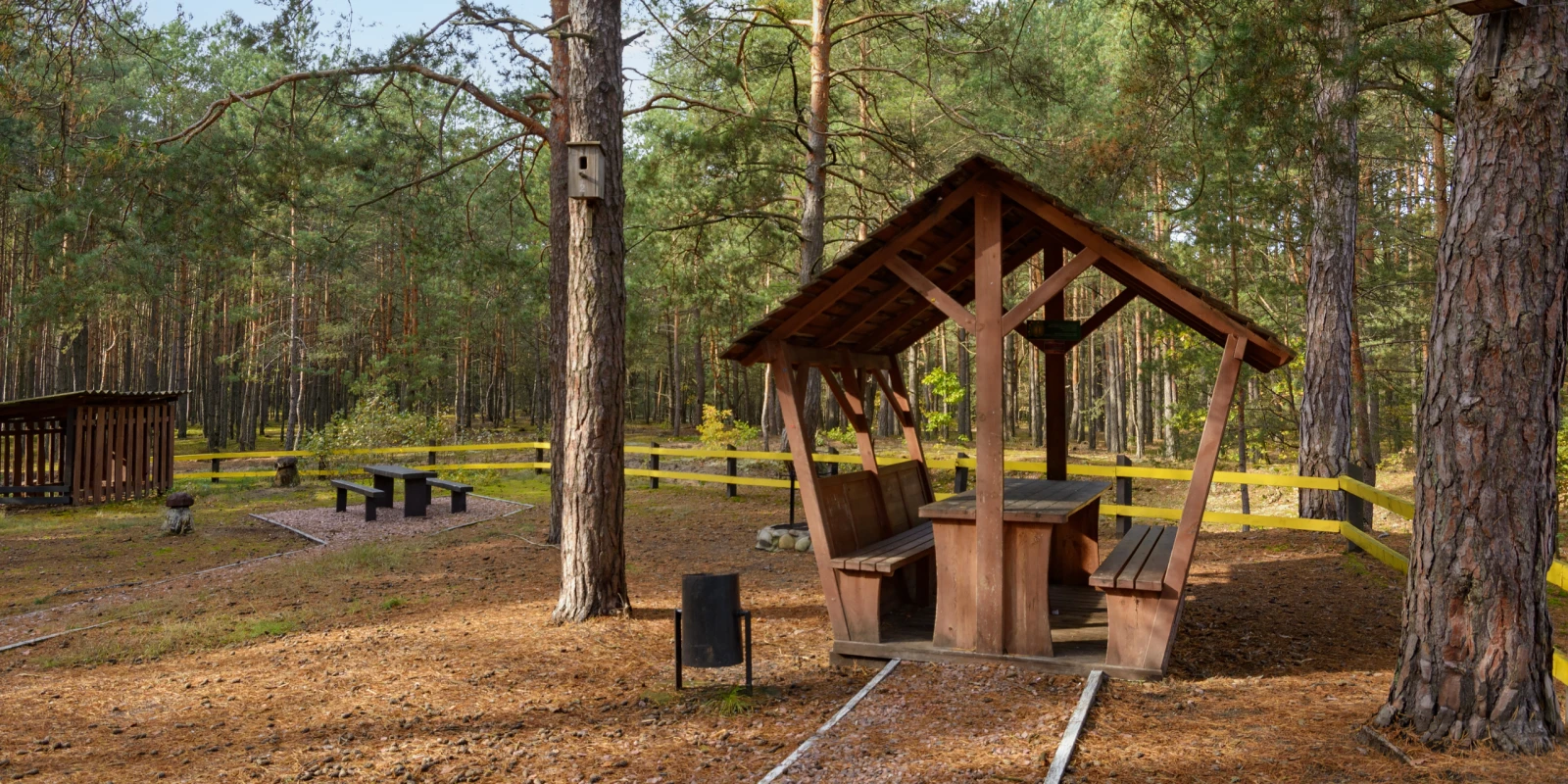
Fires are banned on all 365 days, with no season and no exception, under the INFOMA plan. What you do get is up to 12 listed facilities, from tables to toilets, and every area arrives with its road and its kilometre point, like Las Presillas at km 28.600 of the M-604 in Rascafría.
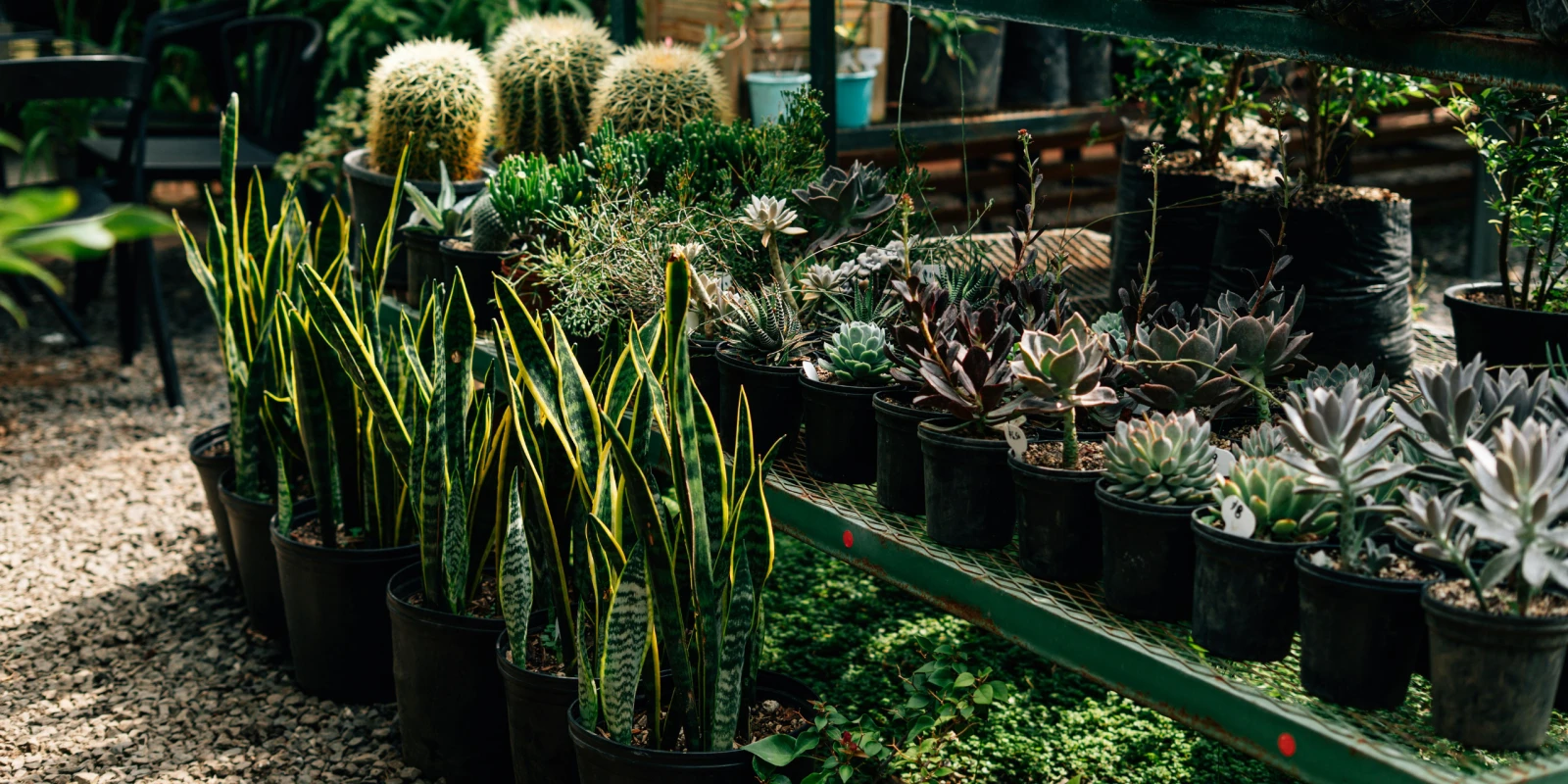
Two of the city's three municipal nurseries cannot be walked into at all. The Estufas nursery inside the Retiro and the Casa de Campo one open only to booked group tours, on 915 280 938. Inside sits a glasshouse moved from the Liria palace in 1956, and the third one shuts at 3pm.
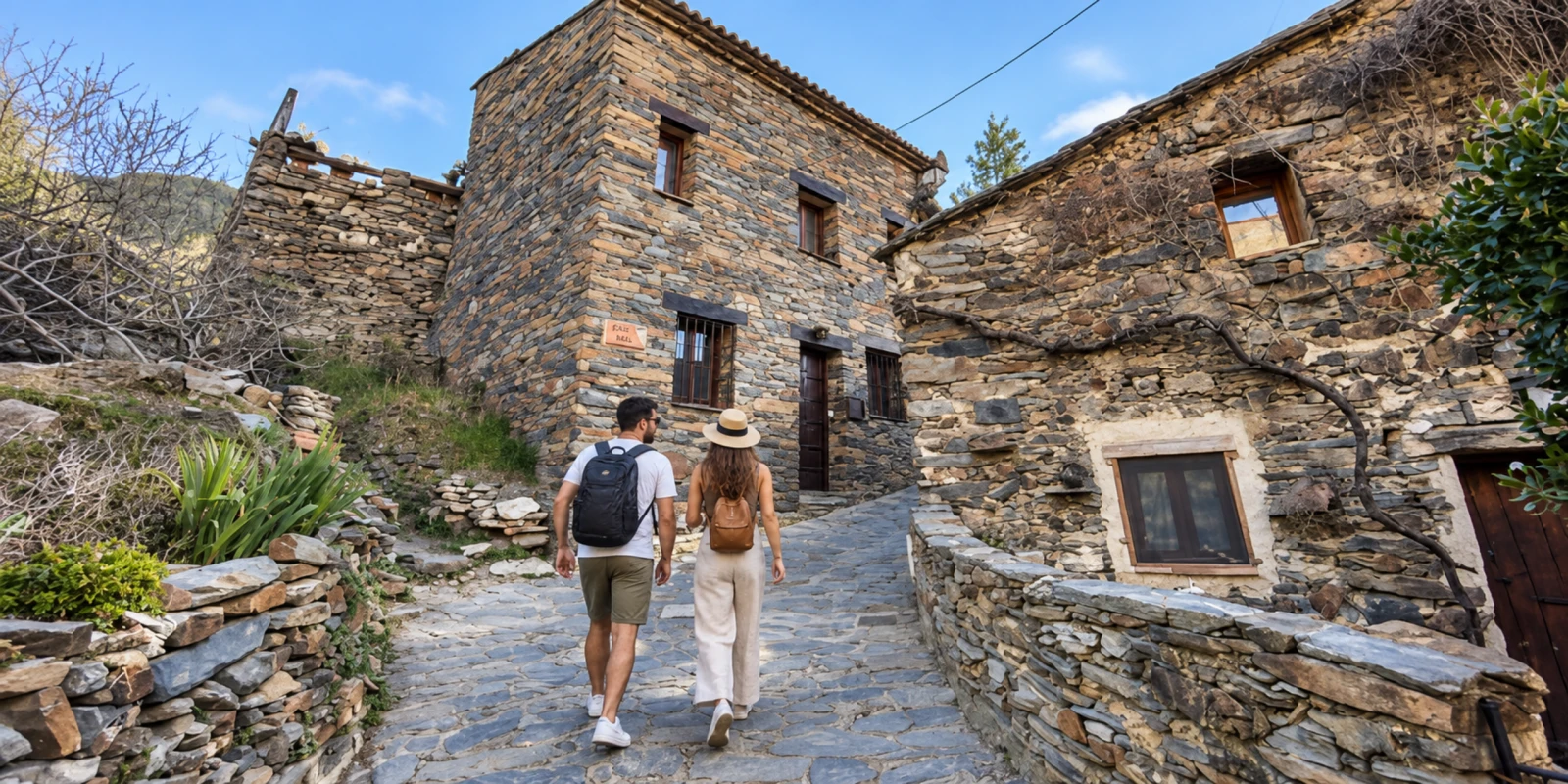
Spaces in the old village are reserved for accredited residents and cameras check who drives in, so arriving by car and parking up there is not a plan. The council points visitors to the car park down in Patones de Abajo, on Calle Arzobispo Baltasar Moscoso, and up the 800-metre Barranco path.
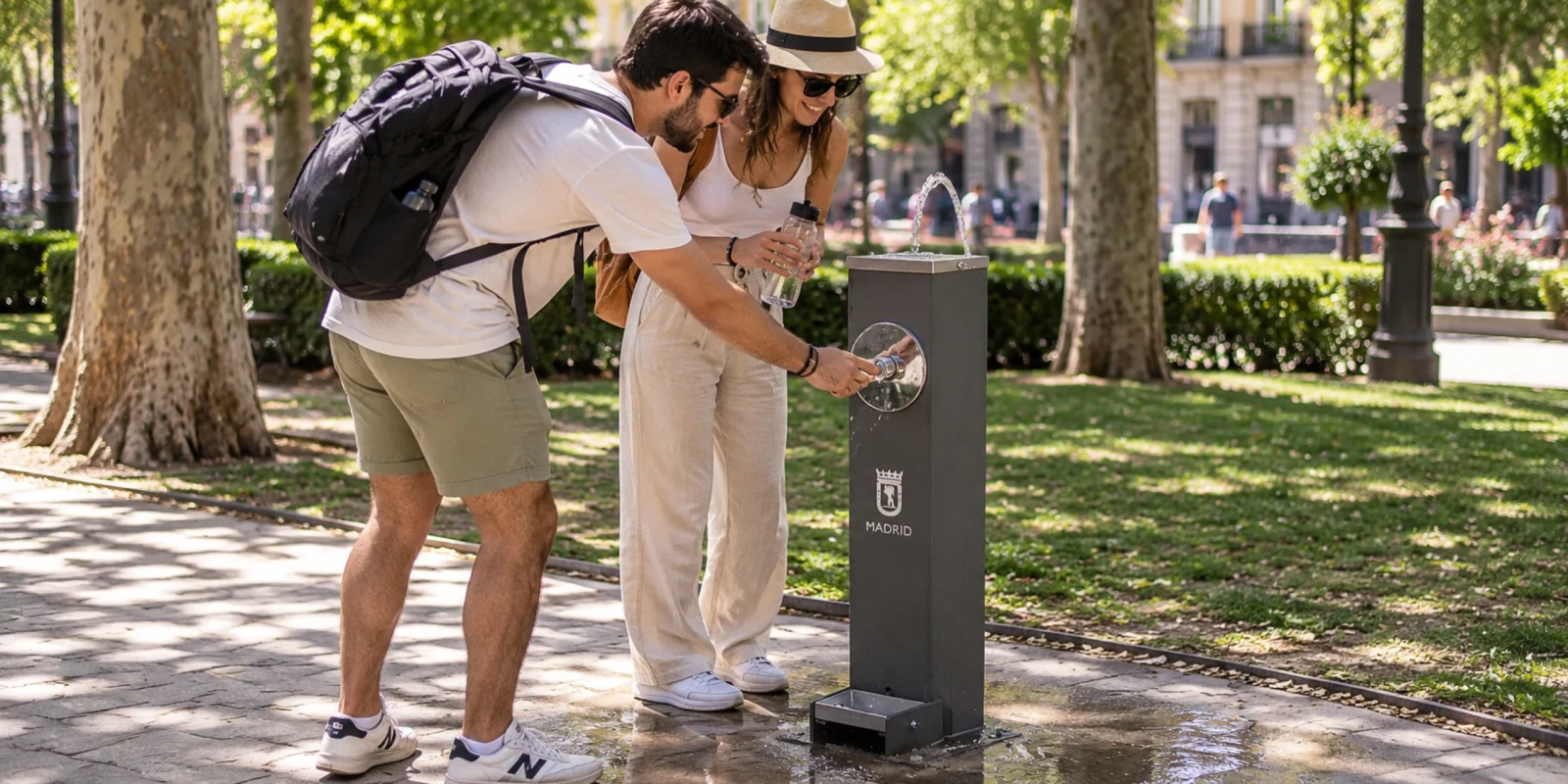
Searching for a fountain in Madrid mostly finds the ornamental ones, and those are not for drinking. The register counts them separately, at 2,268 working drinking fountains against 42 out of action. Casa de Campo alone holds 113 of them, exactly as many as the whole Centro district.
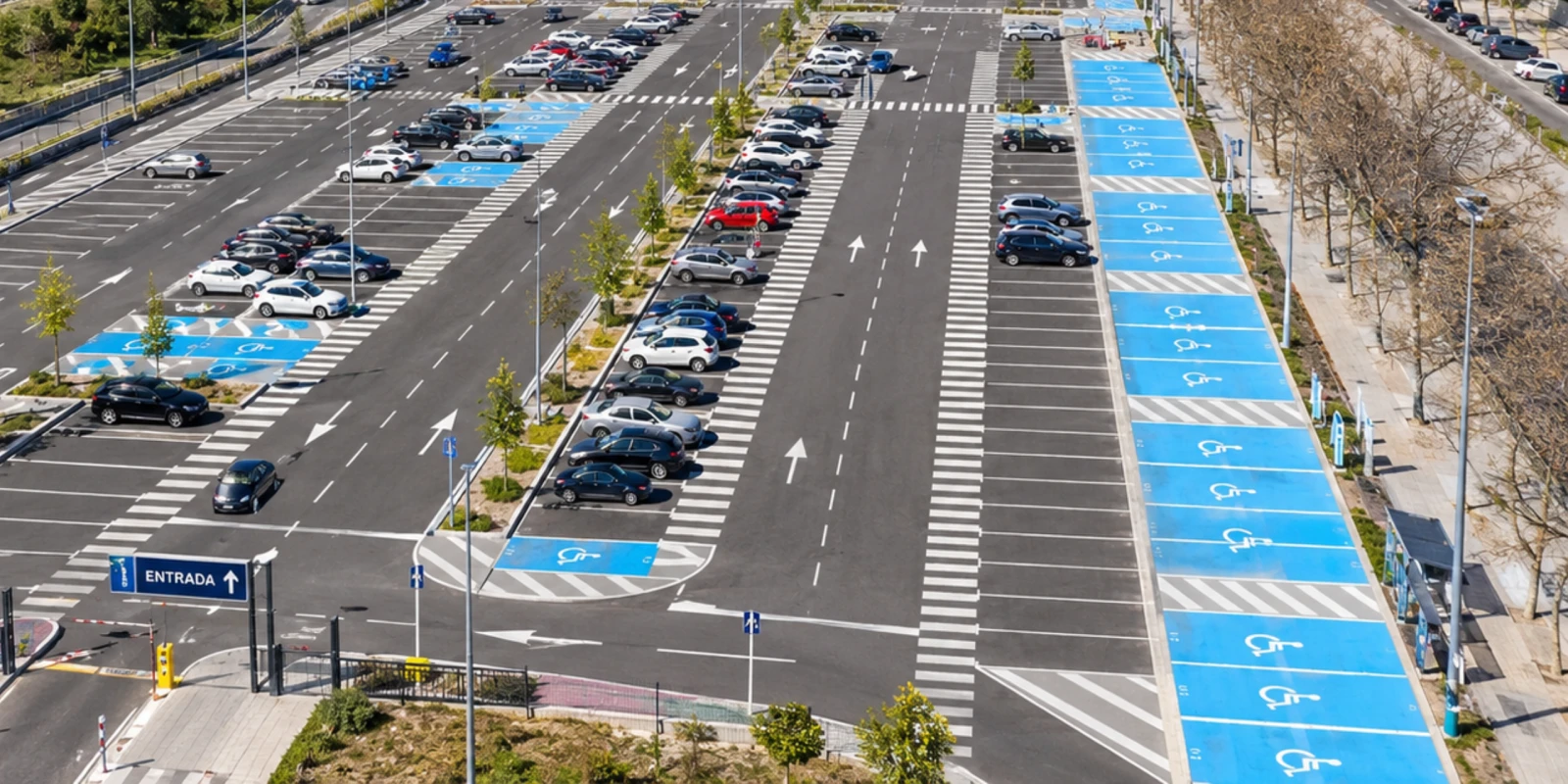
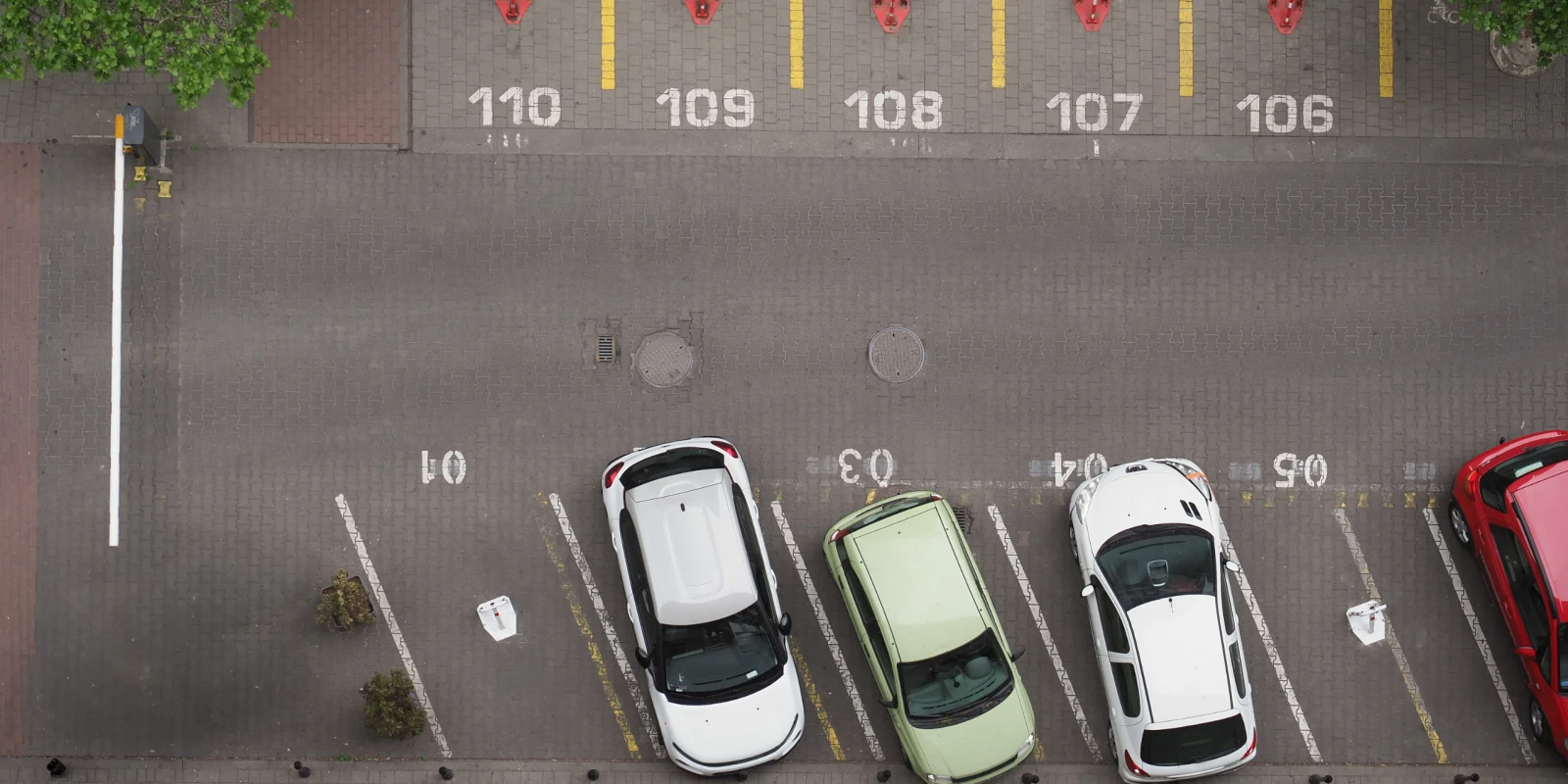
Free comes with a floor and a ceiling. The car has to sit there for at least 5 hours and no more than 16, and on the way out you show the entry ticket together with the transport ticket you used that day. Pitis is the exception, free for any stay while an EMT campaign runs, and 3,069 of the 5,773-plus spaces sit in the one that shuts at 10pm.
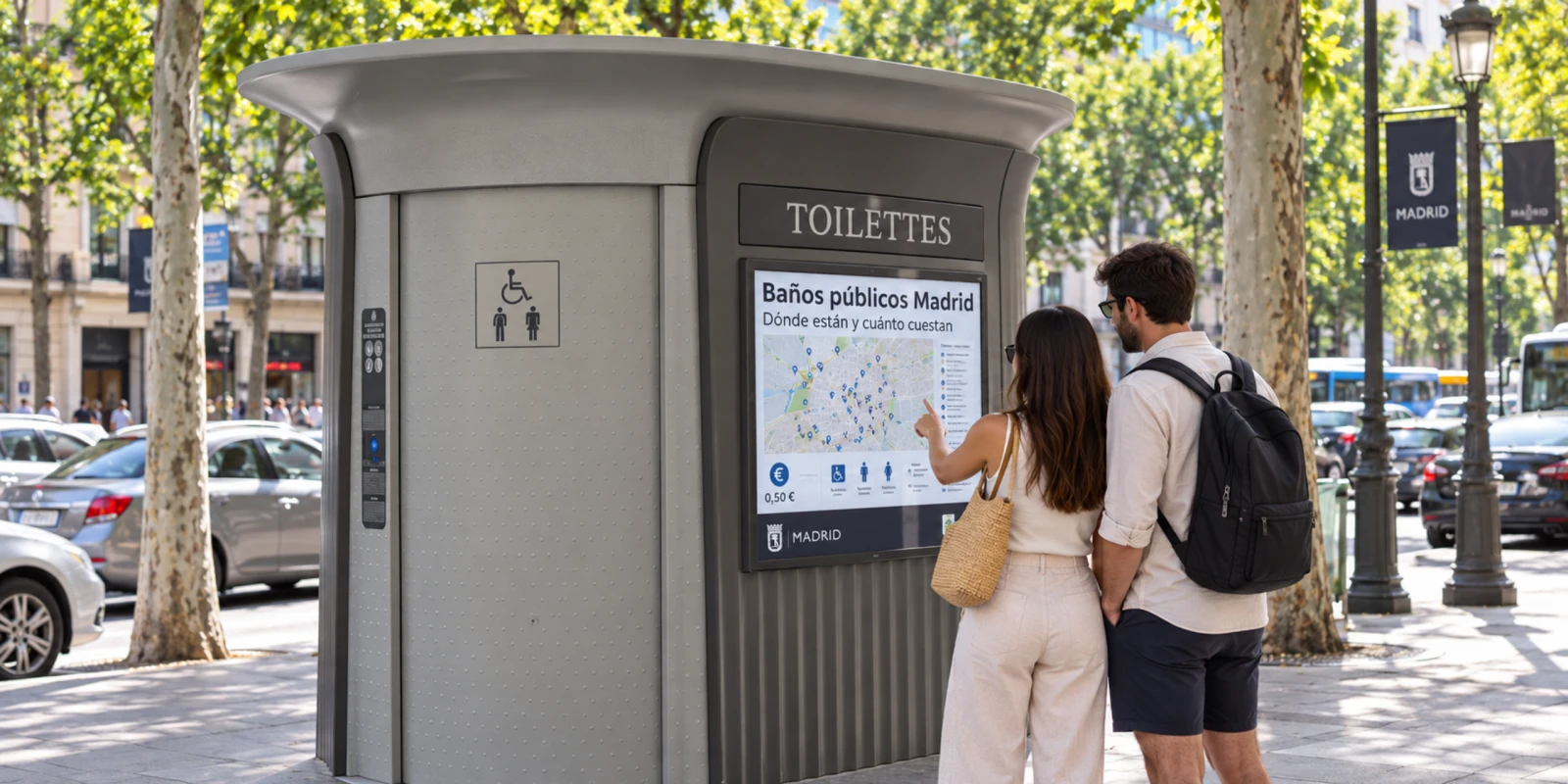
A street cabin costs €0.10 and never shuts, but a countdown clock inside gives you 15 minutes and then opens the door on its own. There are 130 of them across the 21 districts, and the Centro district has 6, fewer than Arganzuela with 11. Bars owe you free tap water, not the toilet.
El Rastro is one of 33 street markets in Madrid, and Thursday holds as many as Sunday does, seven each. Twenty-three of the 33 keep the same 9am to 2pm hours, so timing is rarely the variable. What does change is the map, because only 16 of the 21 districts have one at all and none of the missing five is far out.
Searching only in the centre throws away 83 per cent of the licensed supply. Tetuán holds 122 addresses and Ciudad Lineal 104, both of them ahead of Salamanca on 48 and Chamberí on 45. And there is no apartment street to aim for, because the 997 addresses spread across 654 different ones.
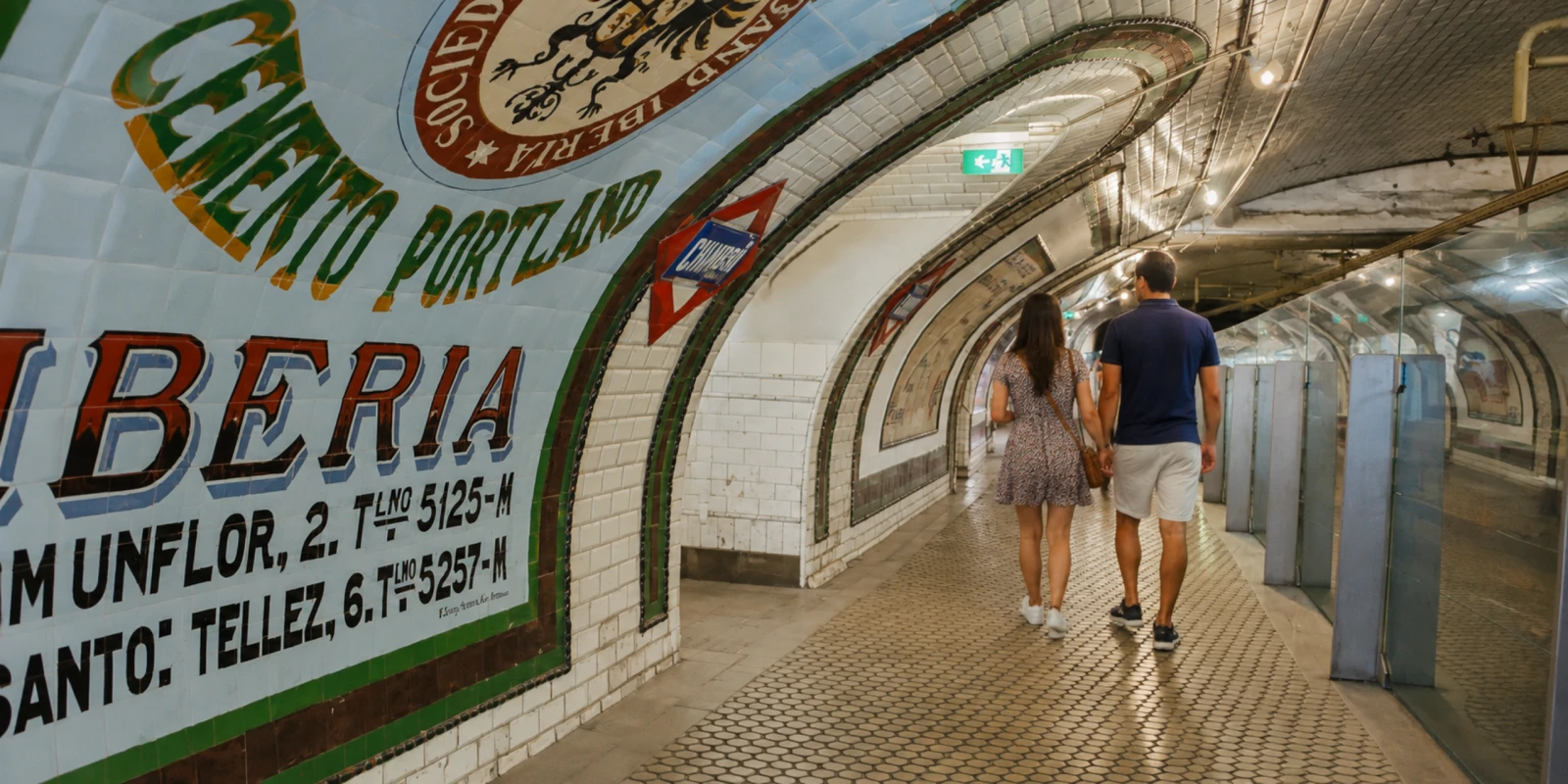
Madrid's ghost metro station can be visited for nothing, but it opens 16 hours a week across three days and only with a booking made in advance. Fridays run 4pm to 8pm, Saturdays in two shifts and Sundays 10am to 2pm. The guided visit lasts about 30 minutes and the station closed in 1966.
Unlike Malasaña or Lavapiés, Argüelles is an official neighbourhood and appears on the municipal map, as number 92 covering 75.8 hectares. It is the smallest of the seven in Moncloa-Aravaca, a district that also contains Casa de Campo at 1,747.6 hectares, twenty-three times its size.
Madrid's wettest month is October at 60 mm, not a winter one. July and August barely reach 12 and 10 mm, but average highs climb to 32.1 and 31.3 degrees. September pairs a 26.4 degree average high with 22 mm and just 3.3 rain days, which is the most balanced combination in the whole calendar.
Breakfast is the one Madrid meal with no fixed hour, which is exactly why it works when the rest of the day does not. Lunch does not begin until about 2pm and dinner not before 9pm, but a counter will pour coffee at 8am and a chocolatería such as San Ginés, open since 1894, runs into the small hours.
Carabanchel covers 1,405 hectares across seven neighbourhoods and none is called Carabanchel. Three of them, Abrantes, Opañel and Comillas, fall inside the Plaza Elíptica restricted zone, the only one of Madrid's two that sits outside the centre and the only one restricting a motorway.
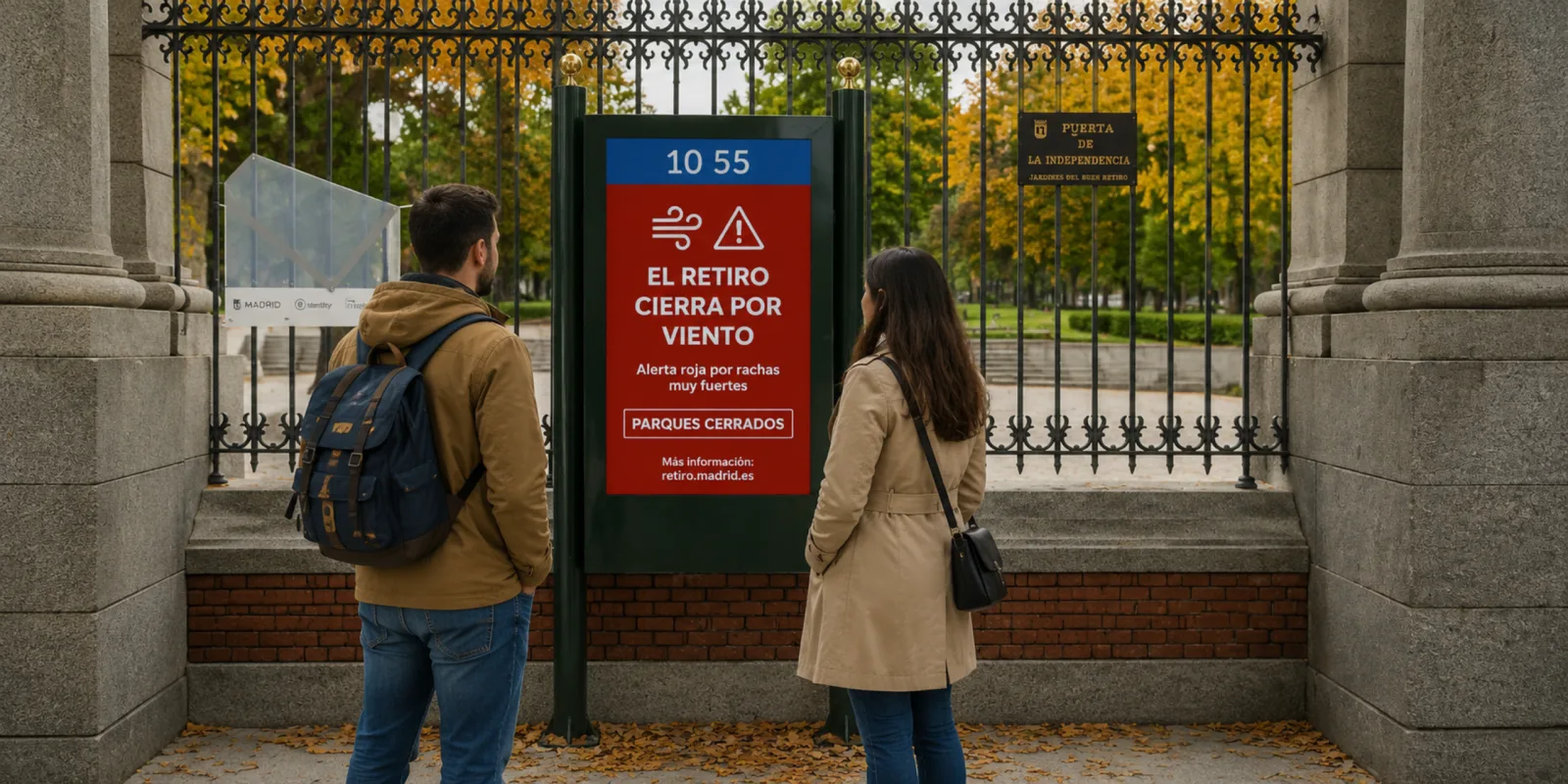
At 1,747.6 hectares this is the largest official neighbourhood in Madrid and more than three times the whole Centro district, which covers 523. Having no perimeter fence, it never closes completely, not even on a red alert when the Retiro locks its gates. It cordons off the wooded stretches instead.
It shares the 3 € ticket with Madrid's seven other state museums and almost nothing else. Free entry here is not Saturday afternoon but Thursdays from 5pm to 7pm and every Sunday, it shuts at 3pm on most days, and on International Museum Day, when the others open free, this one closes its doors.
The difficulty of eating out with children in Madrid is the clock rather than the venue. Lunch does not start until about 2pm and dinner until 9pm, leaving a gap of up to six hours after breakfast. What every venue must give you is the 14 allergens before you order and free tap water at €0.00.
No bar in Madrid has to give you a tapa with your drink, and if it is not advertised on the board there is nothing to claim. Two other things are compulsory and almost nobody asks for them, free tap water and being told you may take your leftovers home, required by Ley 1/2025 of 1 April.
Every bar and restaurant is required to declare 14 allergens before you order, and cereals containing gluten head the list. Spanish food information law imposes it with no exemption for size or type of service, so the question has an answer in writing before you sit. Water is free at €0.00, lunch starts about 2pm and dinner about 9pm.
It is free and still one of the hardest museums in Madrid to get inside. Entry is by guided visit only, in groups of no more than 15 people, and booking ahead by phone or email is essential. The tour lasts 35 minutes, it opens Tuesday to Sunday 10am to 6pm, and it stands on Calle Cervantes 11.
August is the driest month of the Madrid year, at 10 mm of rain across 1.7 rain days, and among the hottest, with an average high of 31.3 degrees. What changes is not that the city closes but a handful of seasonal calendars, and several of them work in your favour, from the municipal pools to museums closing as late as 8.30pm.
A casual entry to a municipal indoor pool costs 2.50 € and buys a session of one hour at most, which makes it dearer than the summer pools at 2.25 € a session. Winter opening runs Monday to Friday from 9am to 8.30pm, under-fives get in free, and any child under 14 needs an adult inside with a valid ticket of their own.
Three separate rules govern a night out here and none of them lines up. Bars close at 2am and clubs at 5.30am, terraces well before that, and in four declared acoustic zones a new venue must sit up to 100 metres from the last one. The metro shuts at 1.30am, hours before the clubs do.
What decides a wet day here is not the list of places but what time each one locks up, and inside a single 3 € tariff some museums close at 3pm while others run to 8.30pm. Several of the free ones cannot be walked into at all, and a park can already be shut while the sky is still clear.
A rooftop counts as a terrace under the city ordinance, so it shuts before the bar downstairs does. From 15 March to 31 October at 1am or 1.30am, and from 1 November to 14 March at midnight every day. The paid viewpoints run on other rules entirely, with Cibeles at 3 € and the Faro de Moncloa at 4 €.
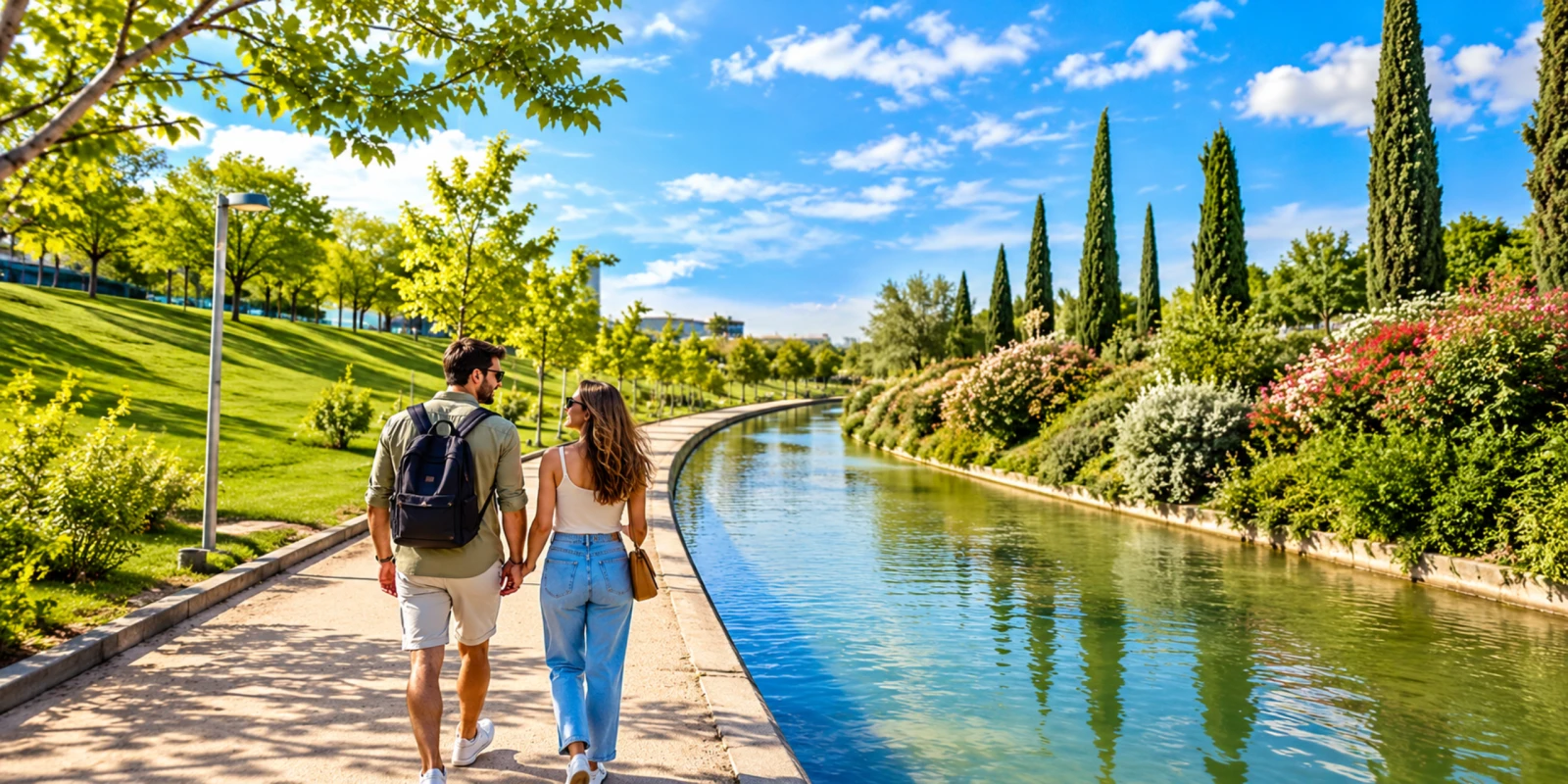
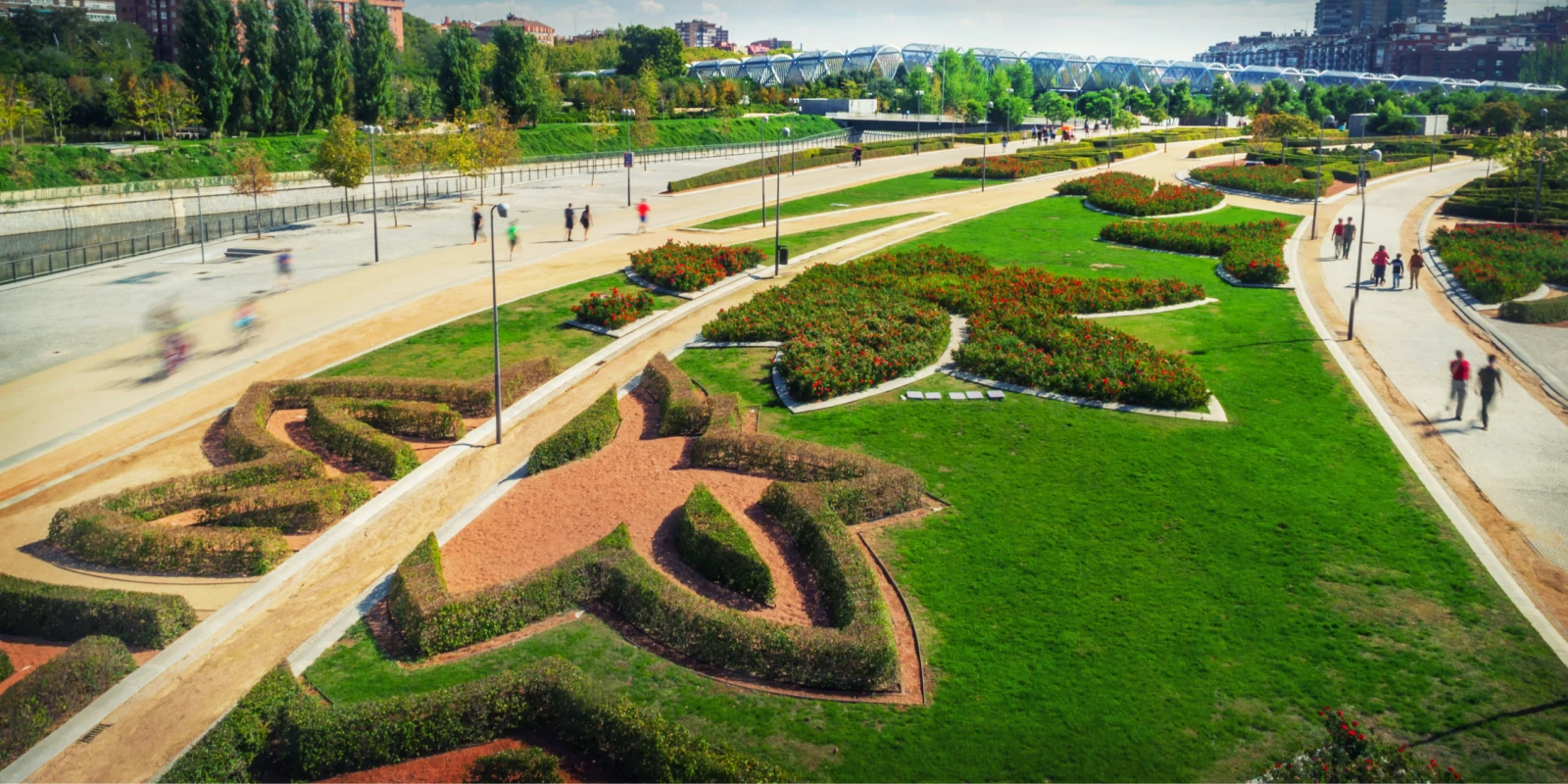
Over 6 kilometres and 106 hectares with 33 crossings of the Manzanares, so walking the whole thing is a day out rather than a stroll. Inside are 30 kilometres of cycle paths, 33 sports courts and an urban beach of 11,930 square metres that is a water and play area rather than a bathing spot.
Madrid with kids is cheap once you know what is free and what needs paperwork. Under-18s enter the Royal Botanical Garden free and municipal museums charge nobody, but 3 free attractions, the Lope de Vega house and Andén 0 among them, admit nobody without a booking.
The 2026 edition leaves Madrid as the Spanish city with the most starred restaurants, 31 in all, arranged in a pyramid that narrows sharply at the top. There is 1 with three stars, DiverXO, 6 with two and 24 with one, so the real choosing happens on the bottom tier, where the odds of a table are different too.
Right now it costs nothing. The museum is running free access from 30 June to 31 August 2026, and outside that window it charges 3 €, on two seasonal timetables two hours apart. Combined passes cover four museums for 8 € and all eight for 16 €, a third off the single-ticket price.
It costs the same 3 € as the Cerralbo and opens almost twice as long. Tuesday to Saturday runs ten and a half hours, 9.30am to 8pm, against the five and a half the Cerralbo gives. It is the largest of the eight state museums, it stands at Serrano 13, and Saturday afternoons are free.
The Retiro district covers 547 hectares across six neighbourhoods and not one of them is called Retiro. They are Pacífico, Adelfas, Estrella, Ibiza, Los Jerónimos and Niño Jesús. The park itself sits inside Los Jerónimos, which at 190.6 hectares is nearly four times the size of Ibiza.
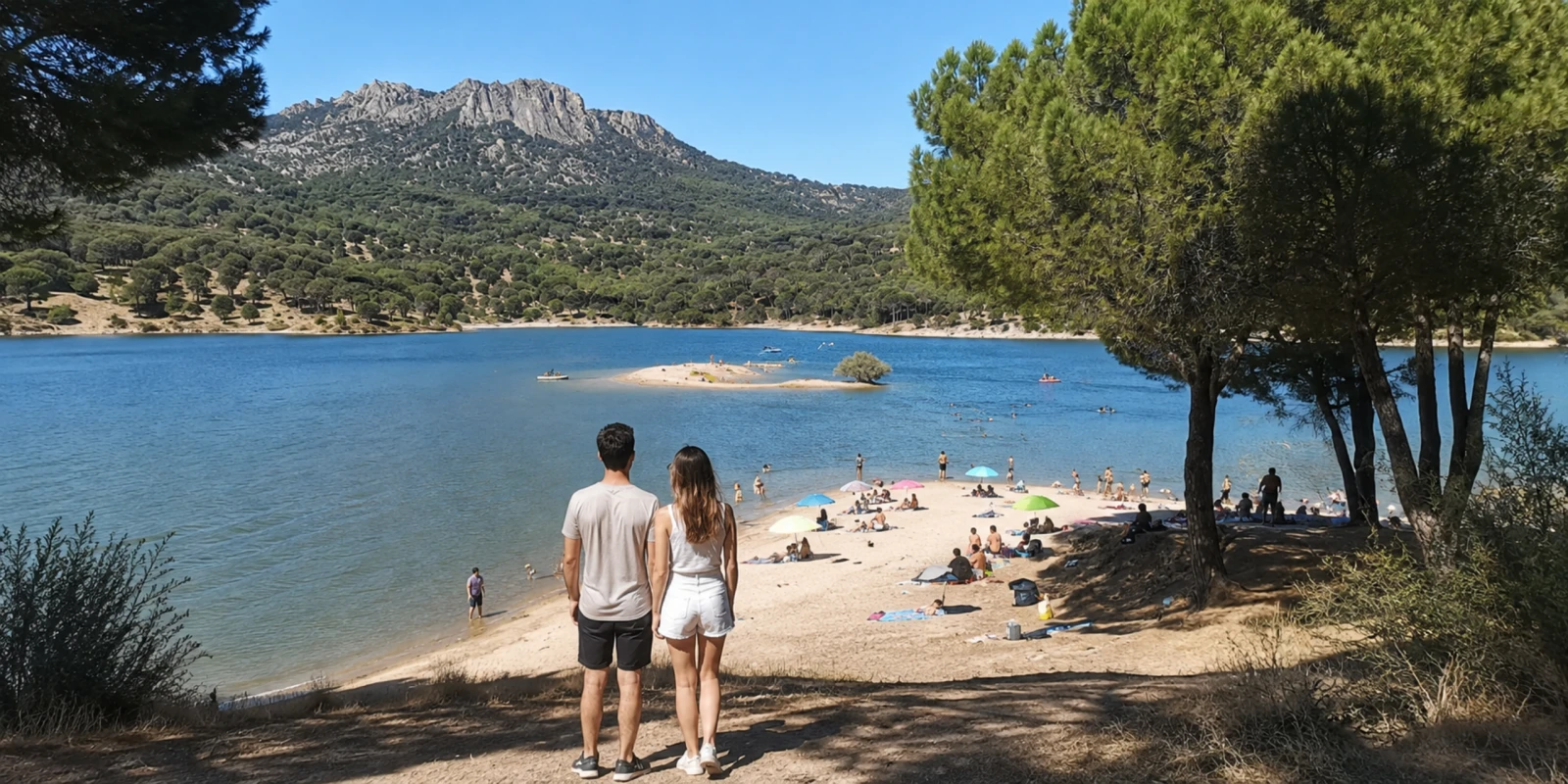
The region counts four natural bathing zones and the San Juan reservoir supplies two of them, El Muro and Virgen de la Nueva, the only pair rated excellent. Virgen de la Nueva holds a Blue Flag and is watched daily from noon to 8pm by six lifeguards and two Red Cross boat crews through the season.
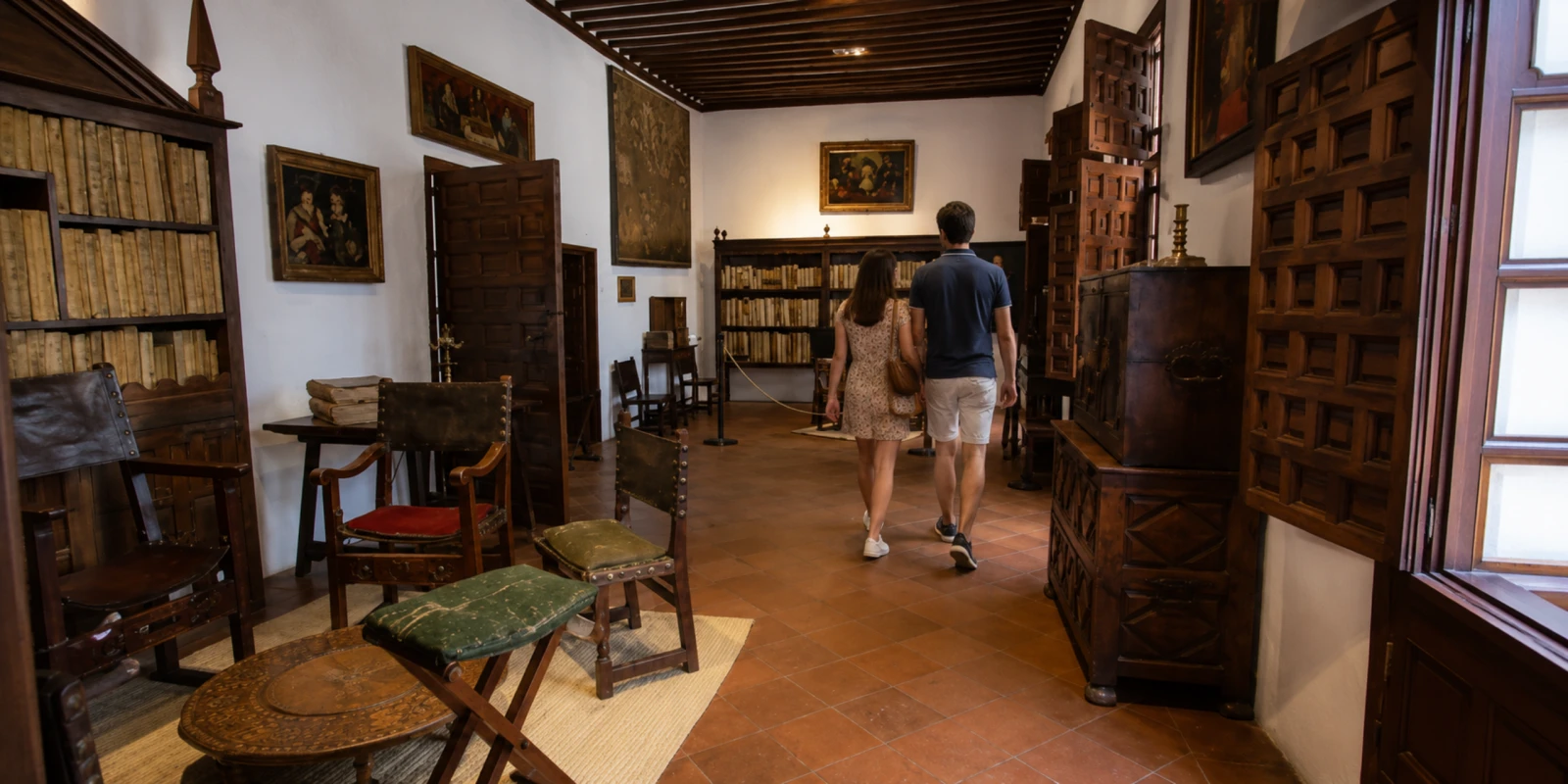
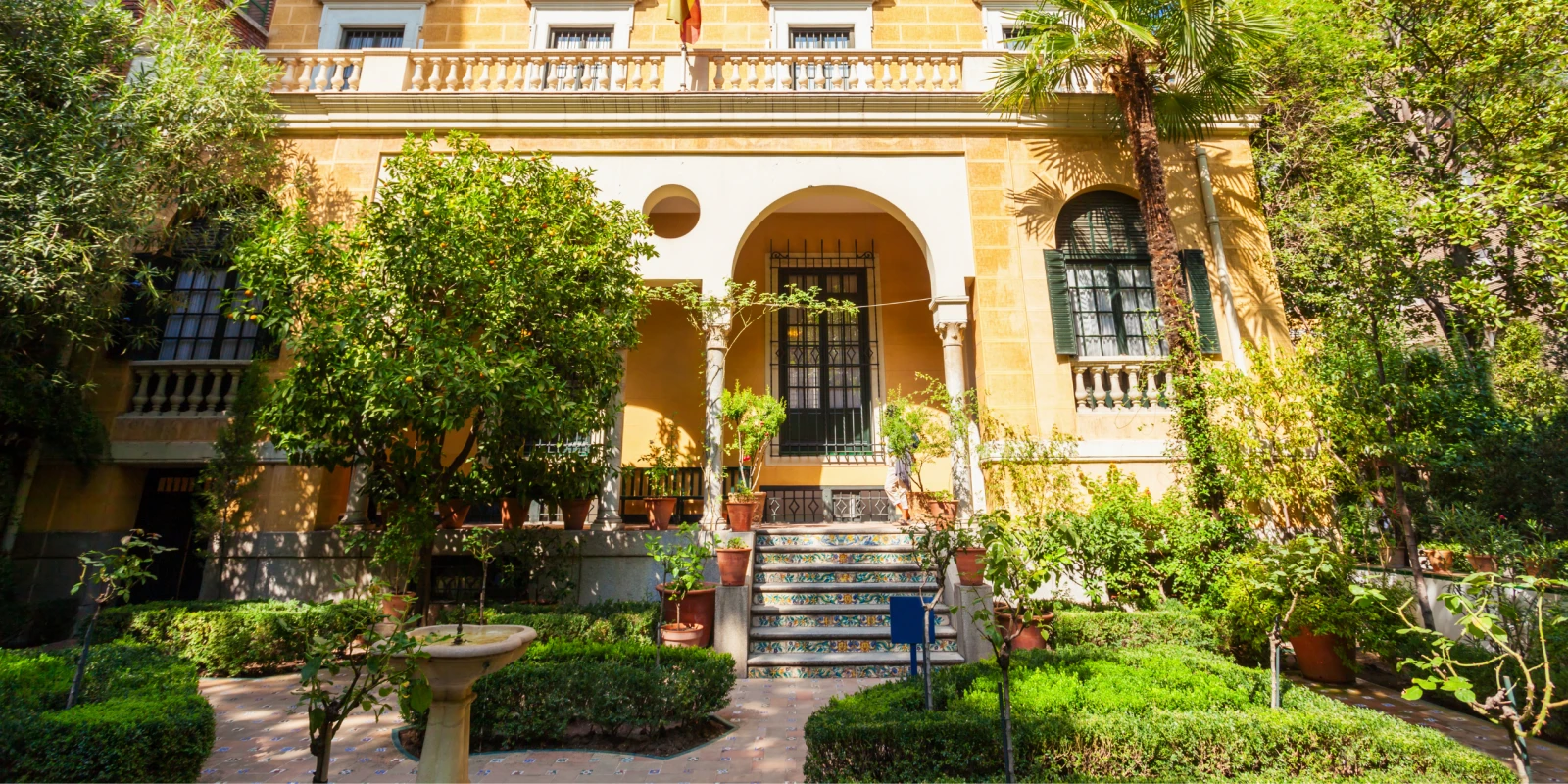
The museum is temporarily closed to the public while the house undergoes extension and rehabilitation works, so turning up without checking costs a morning. When open it charges 3 €, free on Saturdays from 2pm and on Sundays from 10am to 3pm, and it shuts every Monday of the year.
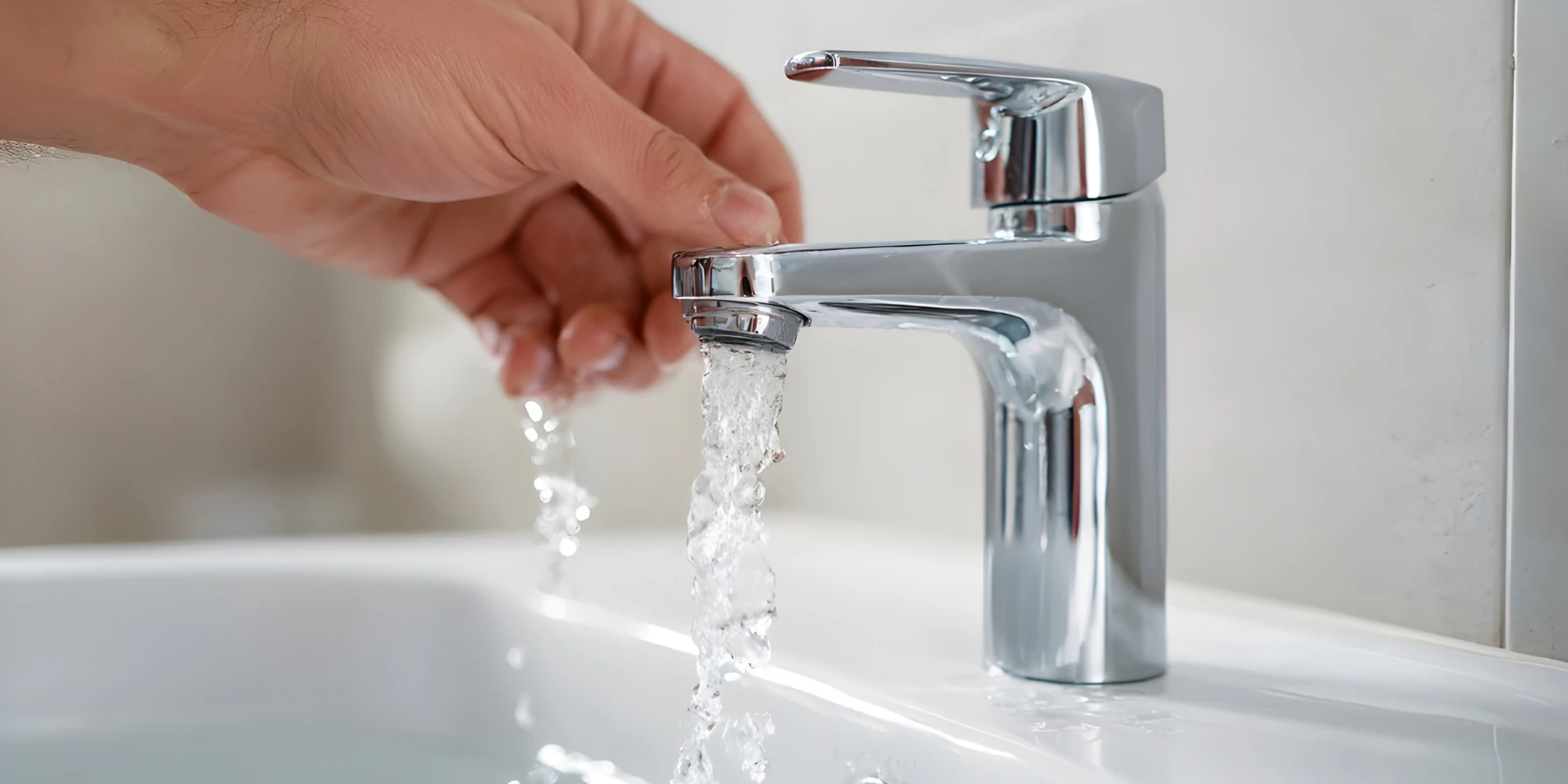
Madrid's water comes off granite ground in the mountains, so it carries almost no mineral salts and its conductivity is very low. It is soft water, which is not what most visitors to Spain expect. Average pH sits between 7 and 8.5, it is disinfected with chloramines, the city tests 1,400 samples a year, and every bar must serve it at €0.00.
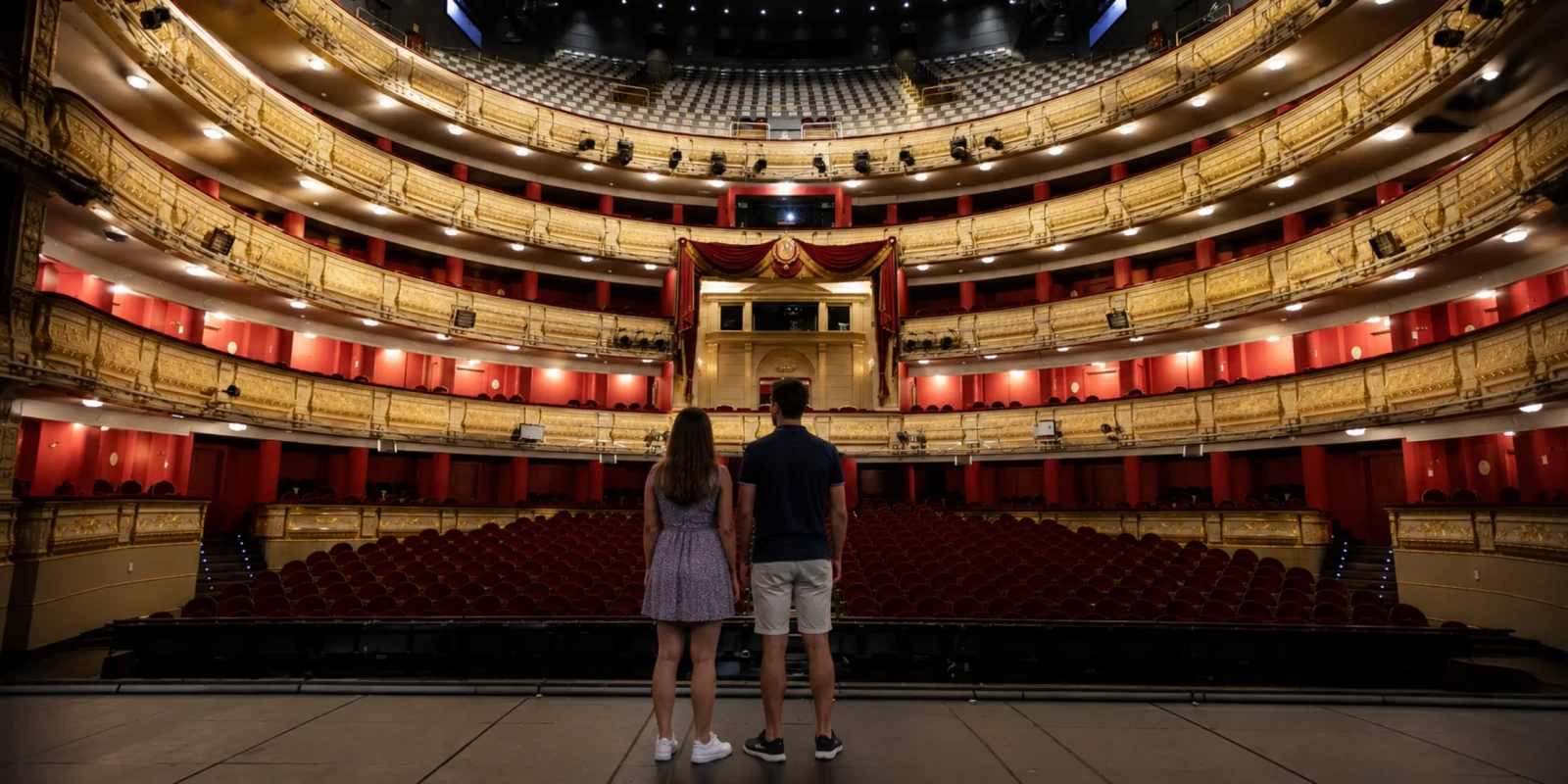
The cheapest way into Madrid's opera house is not booking months ahead but turning up on the day from 4pm. Last-minute tickets reach 90 per cent off for under-30s and the best seats can go for 19 €. Seeing the building on a guided tour costs 5 €, or 3 € without the main hall, and Butacas Joven are a flat 20 € for under-26s.
Tetuán is a district of 537 hectares with six neighbourhoods and none of them is called Tetuán. They are Bellas Vistas, Cuatro Caminos, Castillejos, Almenara, Valdeacederas and Berruguete. It also holds AZCA, one of Madrid's four declared acoustic zones, with licensing rules of its own.
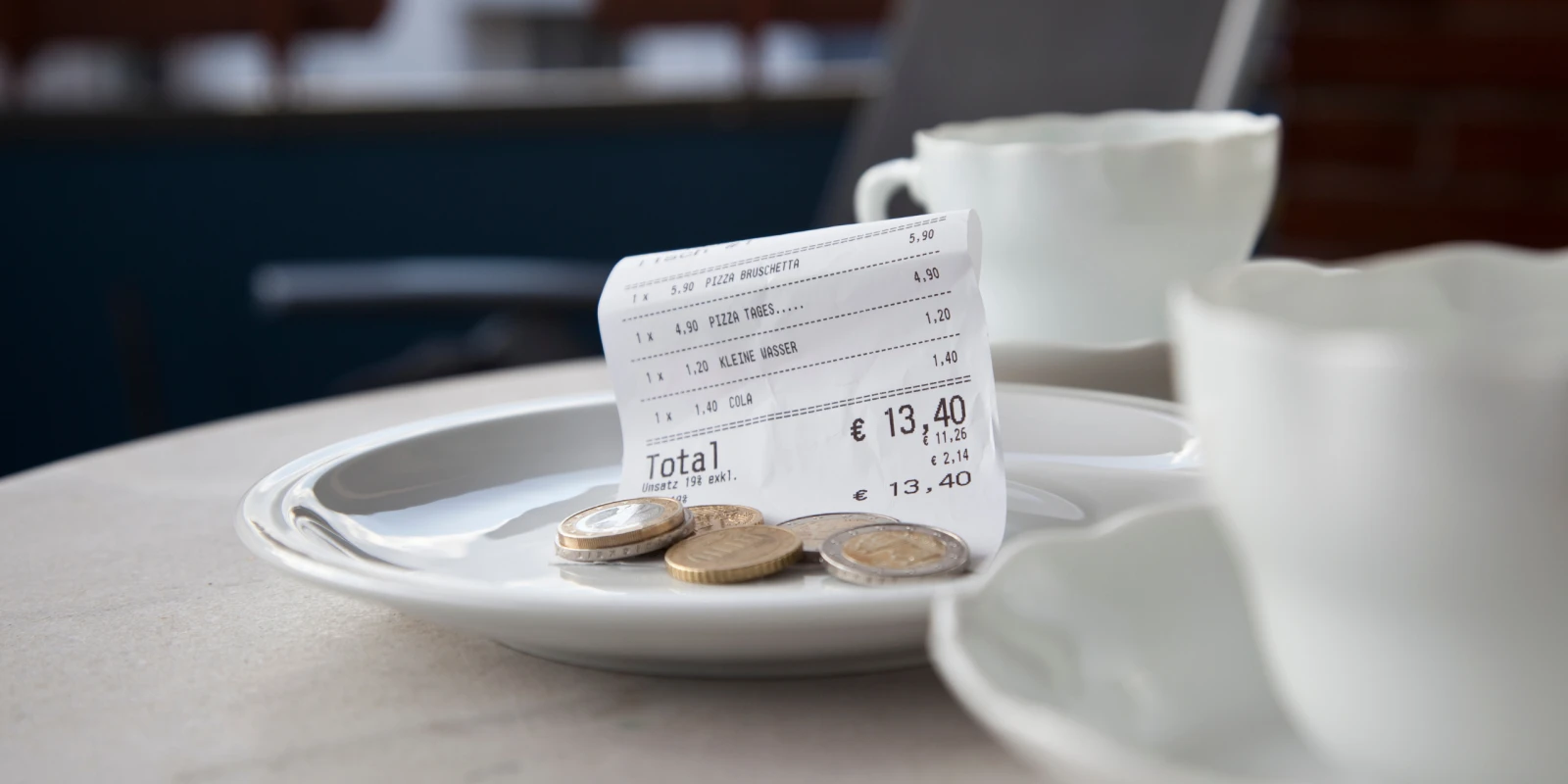
No law in Spain requires a tip and no venue may add one to the bill by default. What a place can charge is a cover, but only if it says so before serving. The menu price already includes VAT, and since Ley 1/2025 the venue must also tell you leftovers can go home with you, and water is free.
Usera is a district of 778 hectares holding seven neighbourhoods, none of them called Usera. Two, Moscardó and Zofío, sit inside the Plaza Elíptica restricted zone, which bars cars with no emissions label and which it shares with Carabanchel, where three more neighbourhoods fall inside.
Gluten sits on the list of 14 allergens every venue must declare before you order, but vegan has no legal definition anywhere in the European Union. Regulation 1169/2011 promised one and the implementing act never arrived, so each kitchen defines the word for itself and nothing binds it.
The whole municipality sits in fare zone A, so whichever neighbourhood you pick, transport costs exactly the same. A metro single runs €1.50 to €2.00 from any address. What the choice does change is whether a car reaches the door, and only 2 areas restrict that. Street parking caps at 4 hours everywhere, 2 in green bays.
Las Dehesas caps cars at 240 and makes you book ahead, but the cap counts vehicles rather than walkers, so anyone arriving on the Cercanías line skips it entirely. Drivers face two separate calendars, daily from 1 June to 15 September and weekends only through the rest of the year.
Chamberí is a district of 468 hectares holding six neighbourhoods, and not one of them is called Chamberí. They are Gaztambide, Arapiles, Trafalgar, Almagro, Ríos Rosas and Vallehermoso. It is also the only district in the city carrying two of Madrid's four declared acoustic zones.
The Chocolatería San Ginés warns on its own website that the prices, menus and products it publishes are valid only for the main premises in the alley, and that they may differ at its other locations and franchises. The historic one is at Pasadizo de San Ginés 5, trading since 1894.
Chueca and Salesas are marketed as two districts and share one file at the town hall. Both names describe the Justicia neighbourhood, code 014, covering 73.9 hectares of Centro, which means one traffic regime, one parking rule and one licensing map across both. A hire car meets the same restriction at either address.
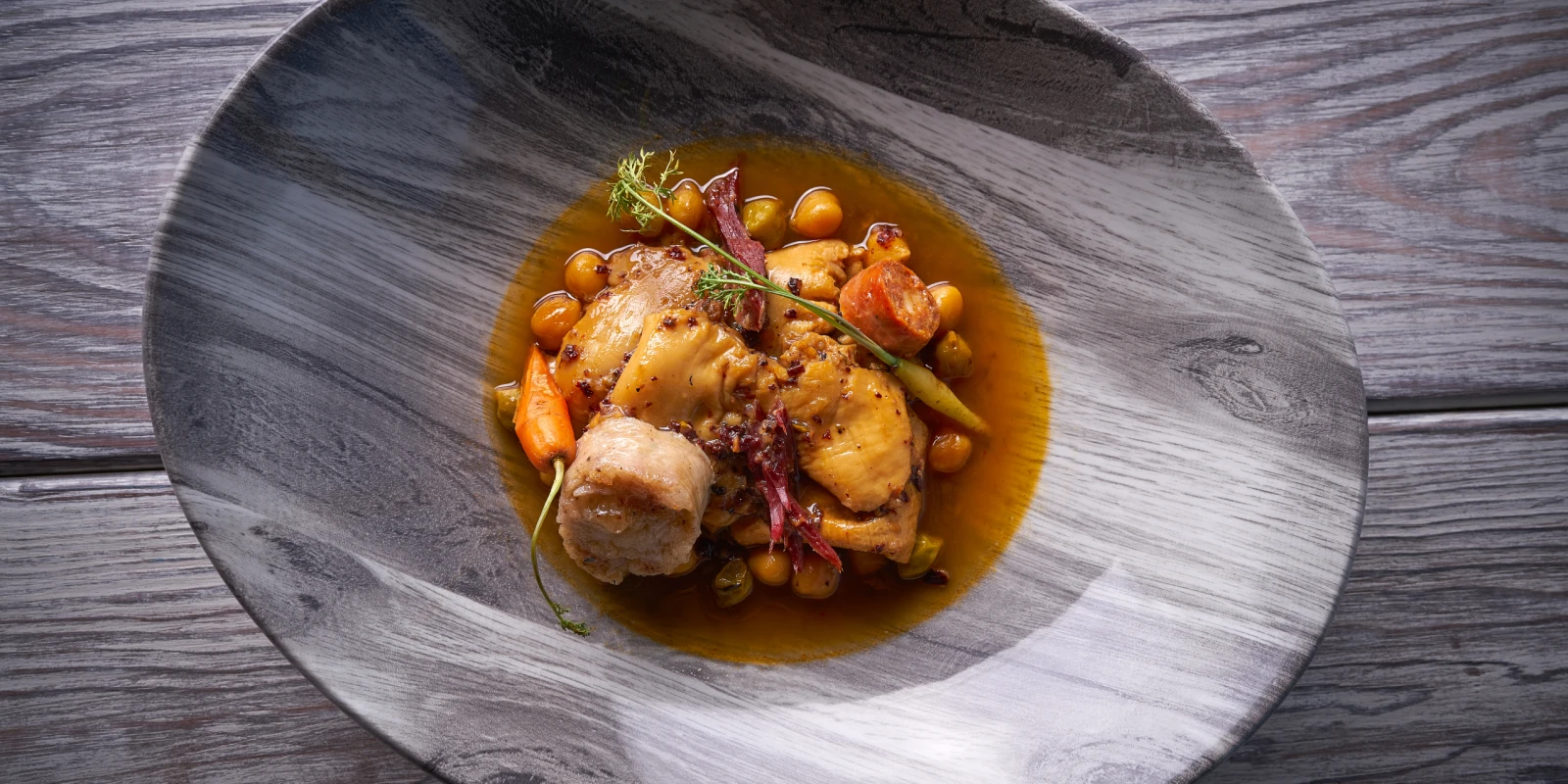
Cocido madrileño is a chickpea stew served in rounds rather than on one plate, and the two century-old houses that own the dish charge around €26 and €39.90 for it. One of them serves it at dinner from Wednesday to Saturday, the other shuts at 8.30pm, and both of them need a booking.
Two places in Madrid answer to almost the same name and they sit on opposite banks of the river. The taverns are in the Centro district, 523 hectares of old town. The Latina district is somewhere else entirely, 2,541 hectares across the Manzanares, and none of its 7 neighbourhoods carries that name.
No municipal map in Madrid carries the name Lavapiés. The neighbourhood is Embajadores, code 012, and at 103.4 hectares it is the second largest of the six in Centro behind Palacio at 147.0. It is also where El Rastro sets up, and on Sunday the parking scheme switches off completely, with no charge and no time limit.
At €10 a month across every zone from A to E2, against €32.70 for the standard 30-day pass in zone A alone, this is the cheapest transport title in Spain. It runs on residency rather than nationality, needs a €4.00 personal card, and covers ages 15 up to the exact day on which you turn 26 rather than the end of that month.
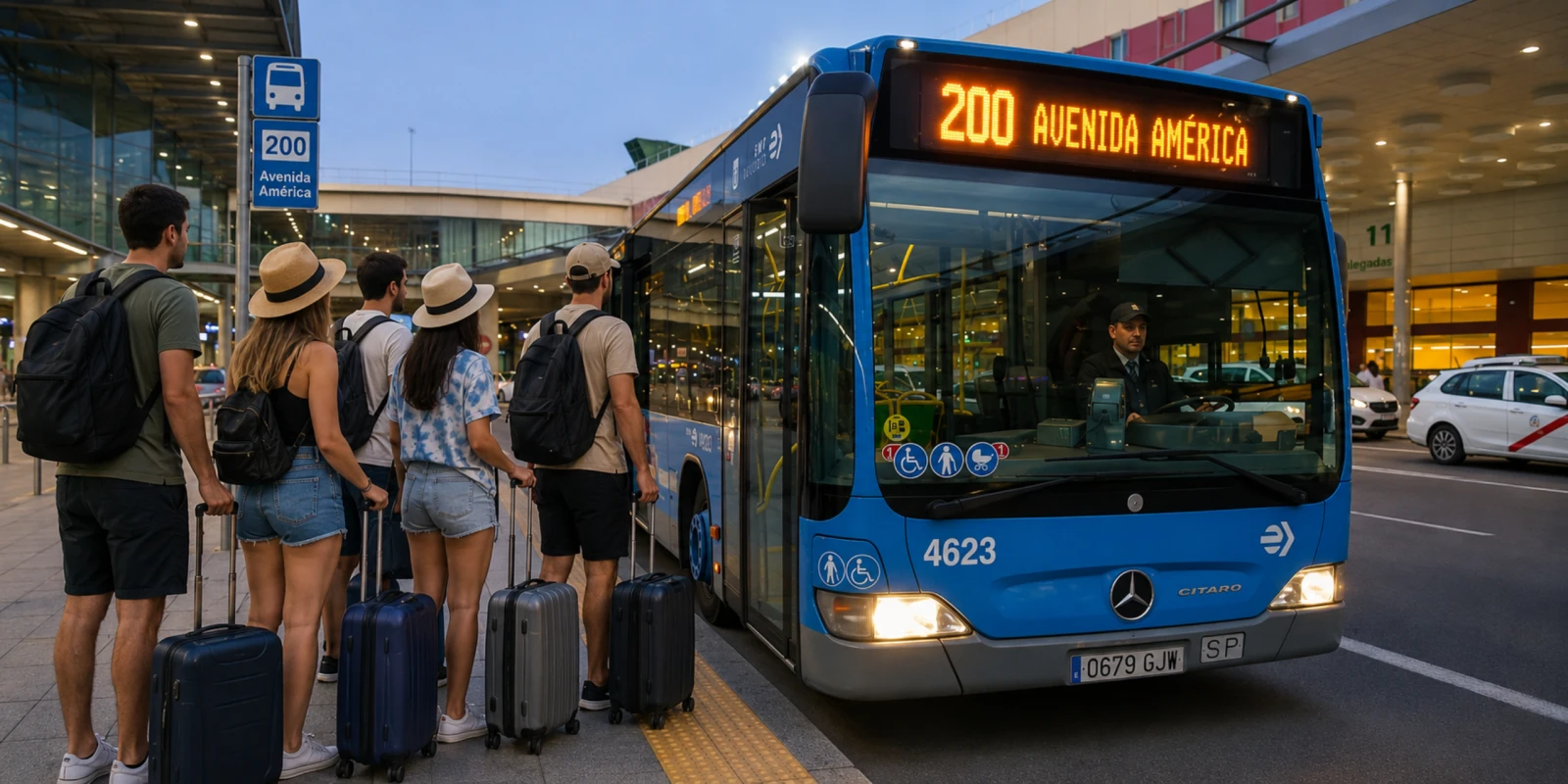
The Exprés Aeropuerto runs on its own €5.00 ticket bought as you board, in cash with change up to €20.00, by card or by phone. No travel pass and no ten-journey ticket works on it. In return the line runs 24 hours a day and 7 days a week, and it carries a dedicated luggage bay that no metro carriage offers.
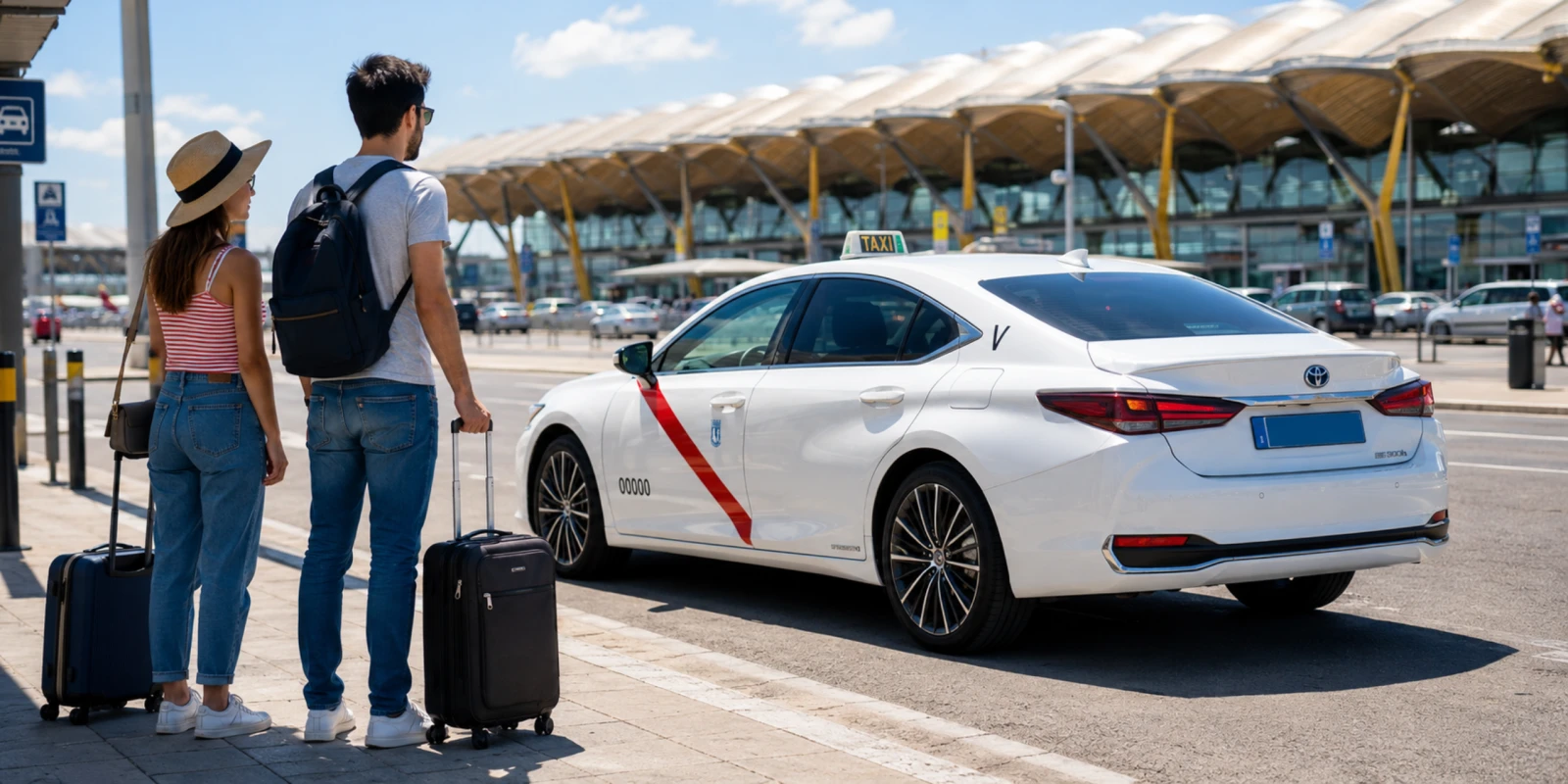
Between Barajas and anywhere inside the M-30 ring road the fare is a closed €33, supplements not allowed, traffic and time of day irrelevant. Cross that ring and the meter comes back on with a €22 minimum for the first nine kilometres. The boundary that sets your price is a motorway, not a neighbourhood.
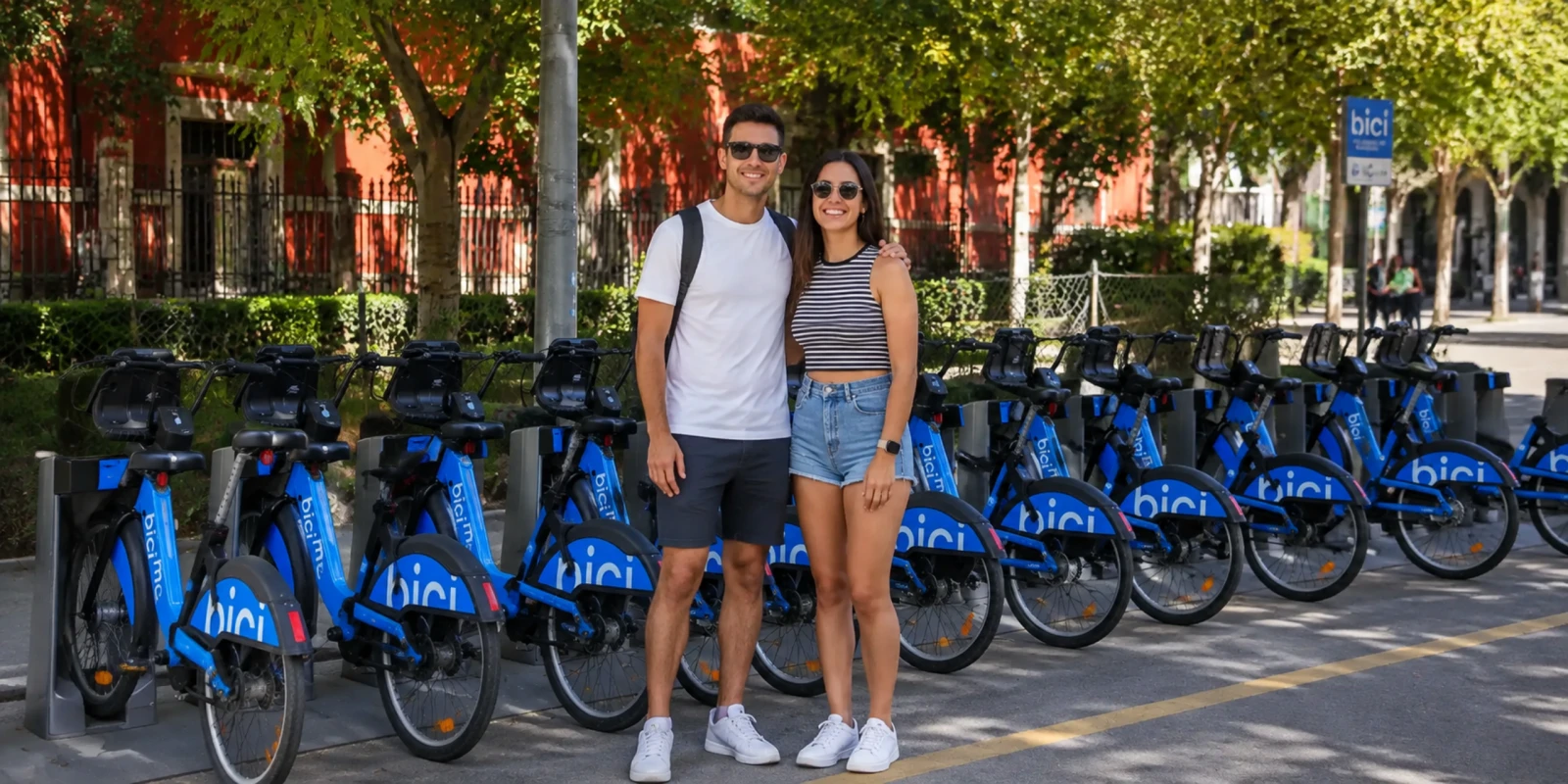
The first 30 minutes cost €0.50 and the next 30 minutes another €0.50, but once a ride passes 60 minutes every half hour jumps to €3.00, six times the opening rate. A 90-minute ride therefore costs €4.00, and the €10.00 monthly flat rate pays for itself at exactly 20 rides, with no minimum term.
Buy it when you are ready to board, because it covers 1 journey within 2 hours of purchase rather than of validation. Fares count zones crossed, not distance, over 8 tariff zones, and 2 adjacent stations count as 1 zone. The metro alongside charges €1.50 to €2.00 by station count.
Four museums run by the city charge nothing at all, which is not the surprising part for a British or American visitor. The surprise is that free does not mean open, that each one answers a bank holiday Monday differently, and that the free one you most want needs booking a month ahead.
This is the one popular name in Madrid that will not fit inside a single official neighbourhood. Habsburg Madrid straddles Palacio, at 147.0 hectares the largest in the Centro district, and Sol, at 44.5 the smallest, so the two halves of one name differ in size by more than three times.
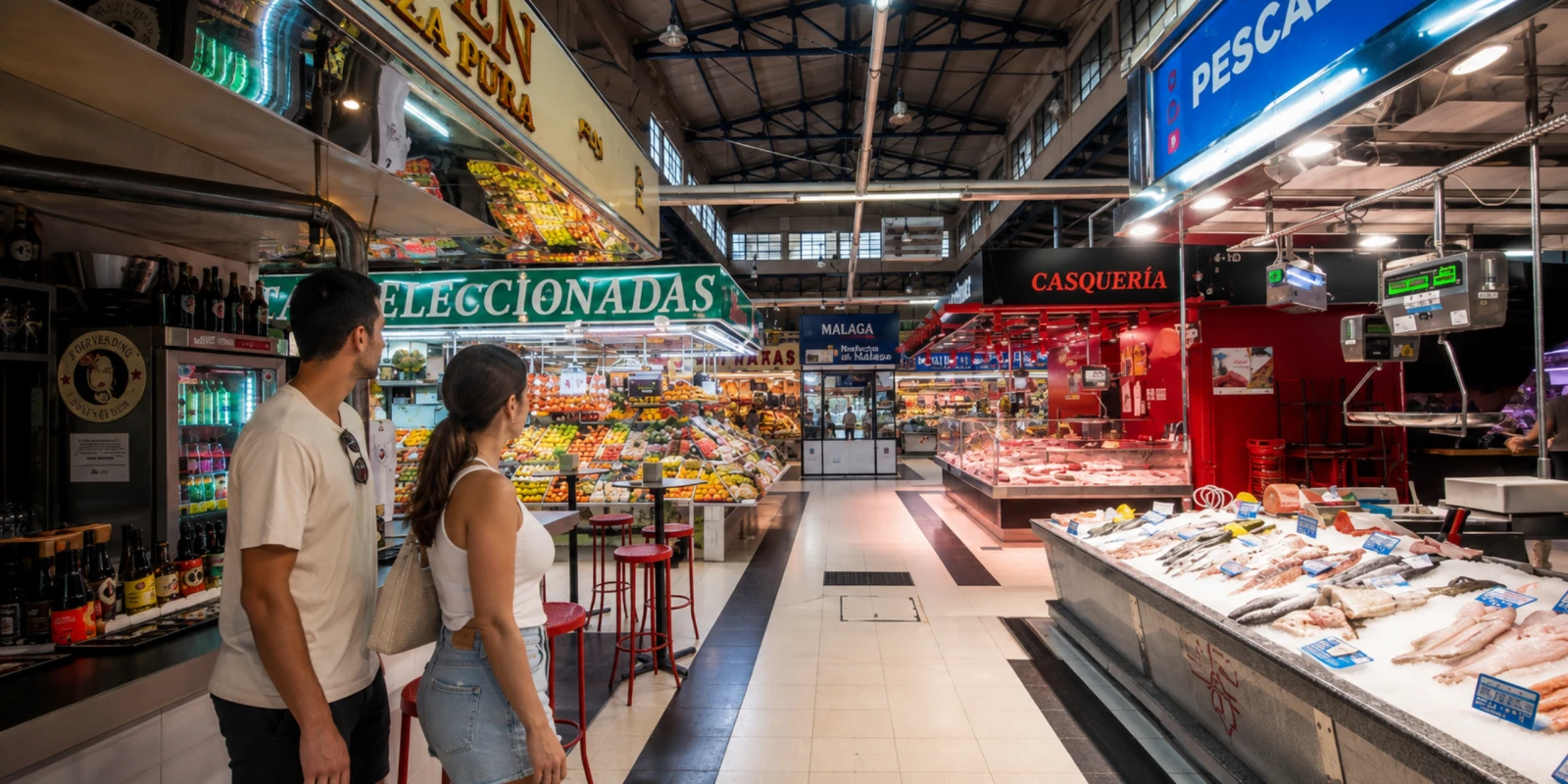
The 46 markets in Madrid's municipal network are neighbourhood grocery markets, not the food halls that share the same word. They shut in the middle of the afternoon, they are under no obligation to open on a Sunday, and since October 2024 each stall inside can keep hours of its own.
Four areas of the city are formally declared noise-protected, and inside them the licence for a new nightlife venue turns on a measurement. Where the noise objective is exceeded by 10 dBA or more, a new venue must sit 100 metres from existing ones; the gap falls to 75 metres, then to 30, as the reading improves.
A city that shuts its parks in bad weather takes some getting used to, and Madrid does it by decree. 6 enclosed grounds close completely in a red alert, the Retiro among them, while 7 open spaces such as Casa de Campo only cordon off sections, and the deciding factor is whether there is a gate to lock.
A blue bay stops at 4 hours and a green one at 2 for anyone who lives elsewhere, and once you hit the limit you cannot park again in that same neighbourhood for 1 hour. Paying more buys nothing. Sundays and public holidays are free of charge entirely, and motorcycles never pay at all.
Ride-hailing prices here have a legal ceiling, since Decreto 5/2024 stops a busy-period fare exceeding the base price by more than 75 per cent. Taxis work the other way, on published tariffs and a closed €33.00 between Barajas and the M-30 ring road that no surcharge may touch, whatever the hour.
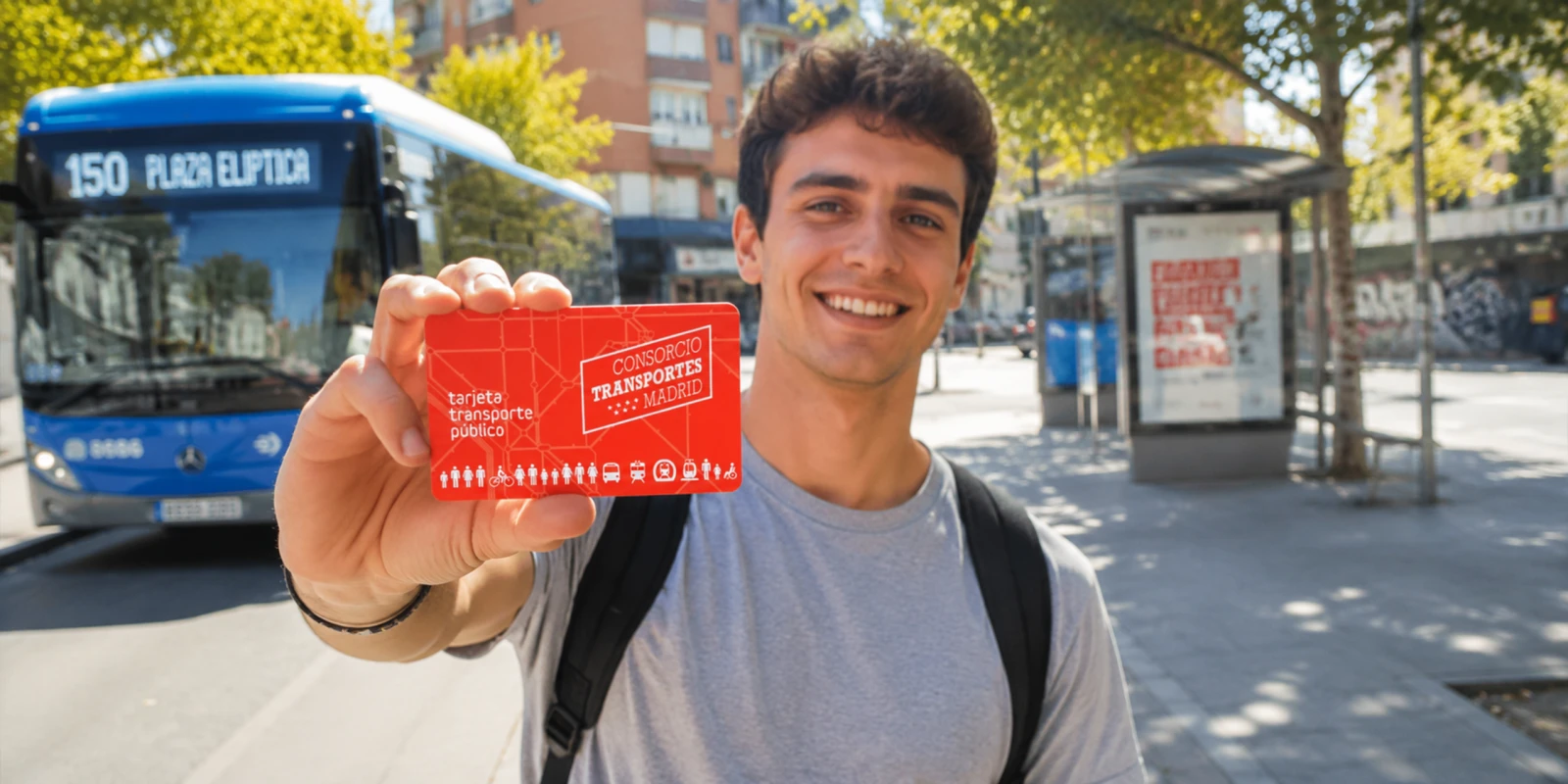
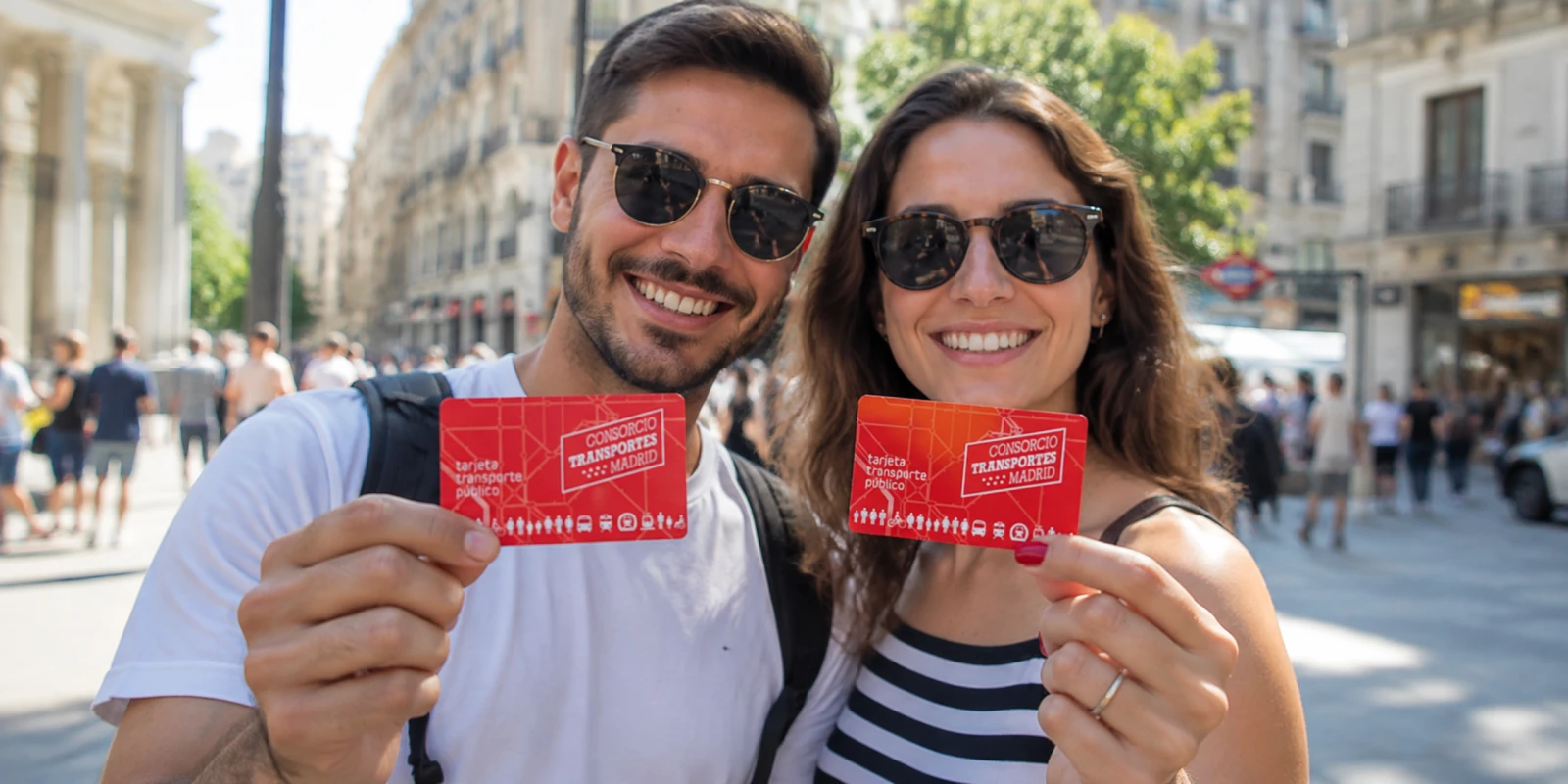
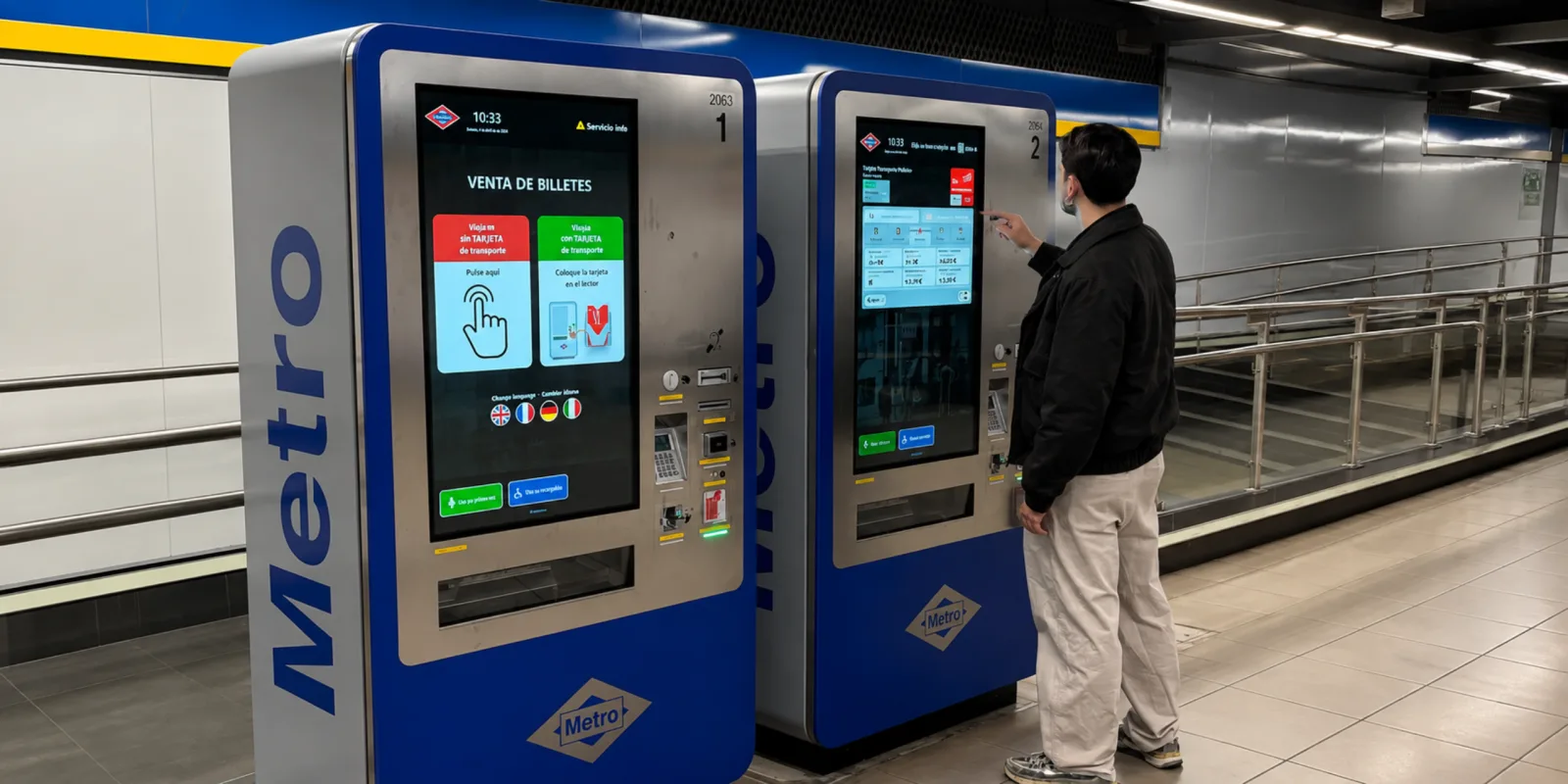
There are no paper tickets on the Madrid network, so the first thing you buy is the plastic. The anonymous Multi card costs €2.50 from any metro machine with no appointment and nothing to prove, comes free with the Tourist Travel Pass, and holds three non-personal tickets at once. Everyone travelling needs their own.
Search the city council's map for Malasaña and nothing comes back. The district it sits in calls it Universidad, code 015, covering 94.8 hectares of Centro, and that official name is the one written into the rules that decide whether your hire car may enter and how long it may stay.
Spain's set lunch looks like an institution and stopped being a legal one in 2010, when Real Decreto 39/2010 repealed the 1965 rule that forced restaurants to serve it. Only 3 regions kept the obligation, and Madrid is not among them, so what lands on the table is custom rather than law.
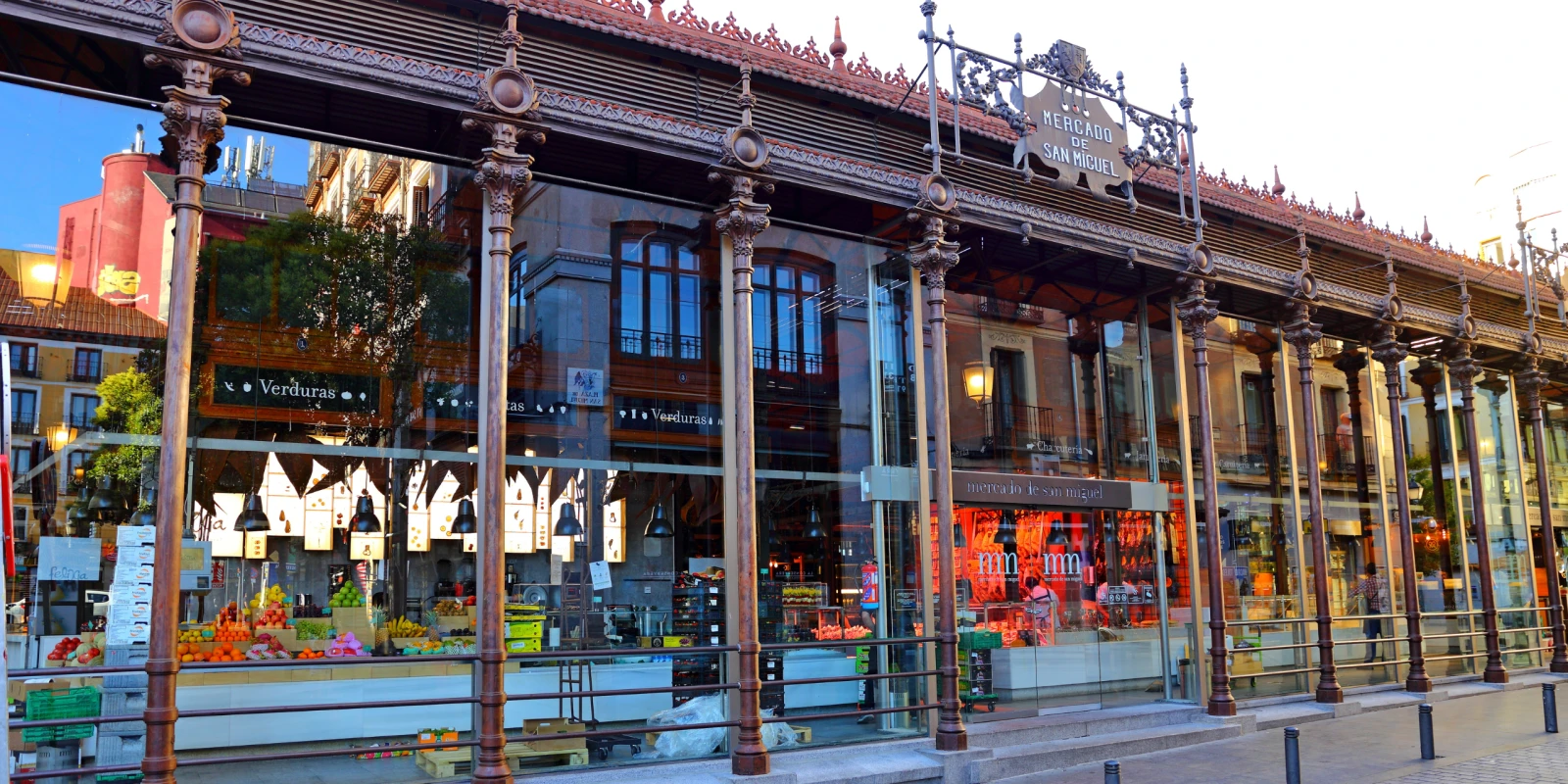
More than 20 counters, over 7 million visitors a year and a licence to trade until 1am on a Saturday. None of that belongs to the city's grocery network, and the iron-and-glass hall beside the Plaza Mayor is a privately run food hall that happens to keep the word market in its name.
Patrimonio Nacional runs eight buildings around Madrid on one calendar, and two of them hand out free tickets only to EU, resident and Ibero-American visitors. A US or Australian passport pays the full 18 € at the Royal Palace. Two dates a year are the exception and work for everyone.
Guidebooks call it the Salamanca neighbourhood and it is a whole district, number 4, covering 539 hectares across six official neighbourhoods. They are Recoletos, Goya, Fuente del Berro, Guindalera, Lista and Castellana, not one of them called Salamanca, and Guindalera alone at 160.3 hectares is over three times the size of Lista at 52.0.
Leaving the car behind gets you past most of the Sierra's access limits, but not this one. The Peñalara massif holds a daily ceiling of 945 visitors however they arrive, while the Los Cotos car park runs a separate cap of 250 vehicles across its 251 marked bays, and groups of 15 or more need permission first.
Madrid eats lunch at 2pm and dinner at 9pm, two to three hours later than most visitors expect, and the kitchens are built around that. A century-old house can shut at half past eight, the pavement terrace at midnight and the room inside at 2am, each hour set by a different authority.
Botín serves straight through from 13:00 to 23:30 and the Mercado de San Miguel runs to midnight, while the Taberna La Bola shuts at 20:30 even on its longest day. The terrace and the dining room of the same restaurant close two hours apart in winter, because a different administration sets each clock.
Three days finish the city and a fourth adds a day trip. Seven only pay off if the sierra is included, and the sierra will not be arranged on the day, because the Hayedo de Montejo draws its places on the 1st and 16th of each month and La Pedriza takes 270 parked vehicles on a first-come basis, with no booking at all.
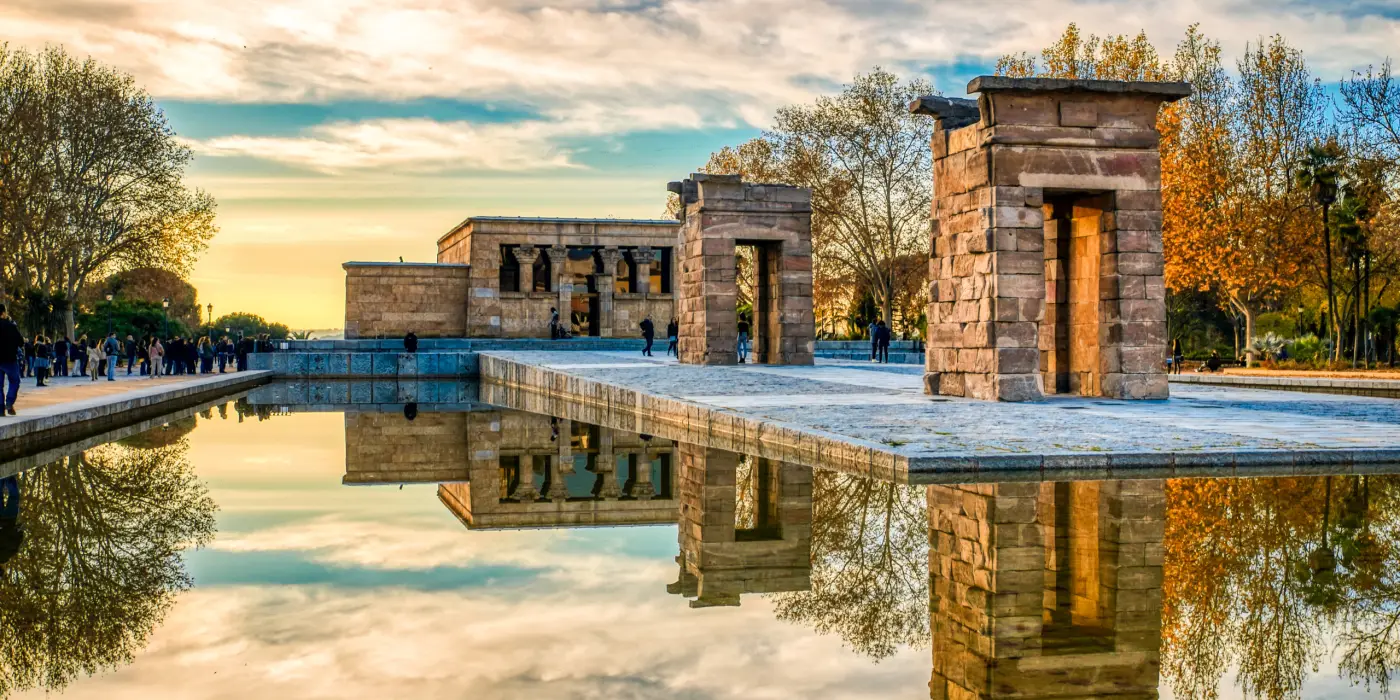
Seven days are the first length that reaches the sierra, and the sierra opens weeks before your trip does. The Montejo beech forest draws places at 9.30am on the 1st and 16th of every month, the Temple of Debod releases its sessions on the 15th, and La Pedriza takes no booking and holds 270 parked vehicles.
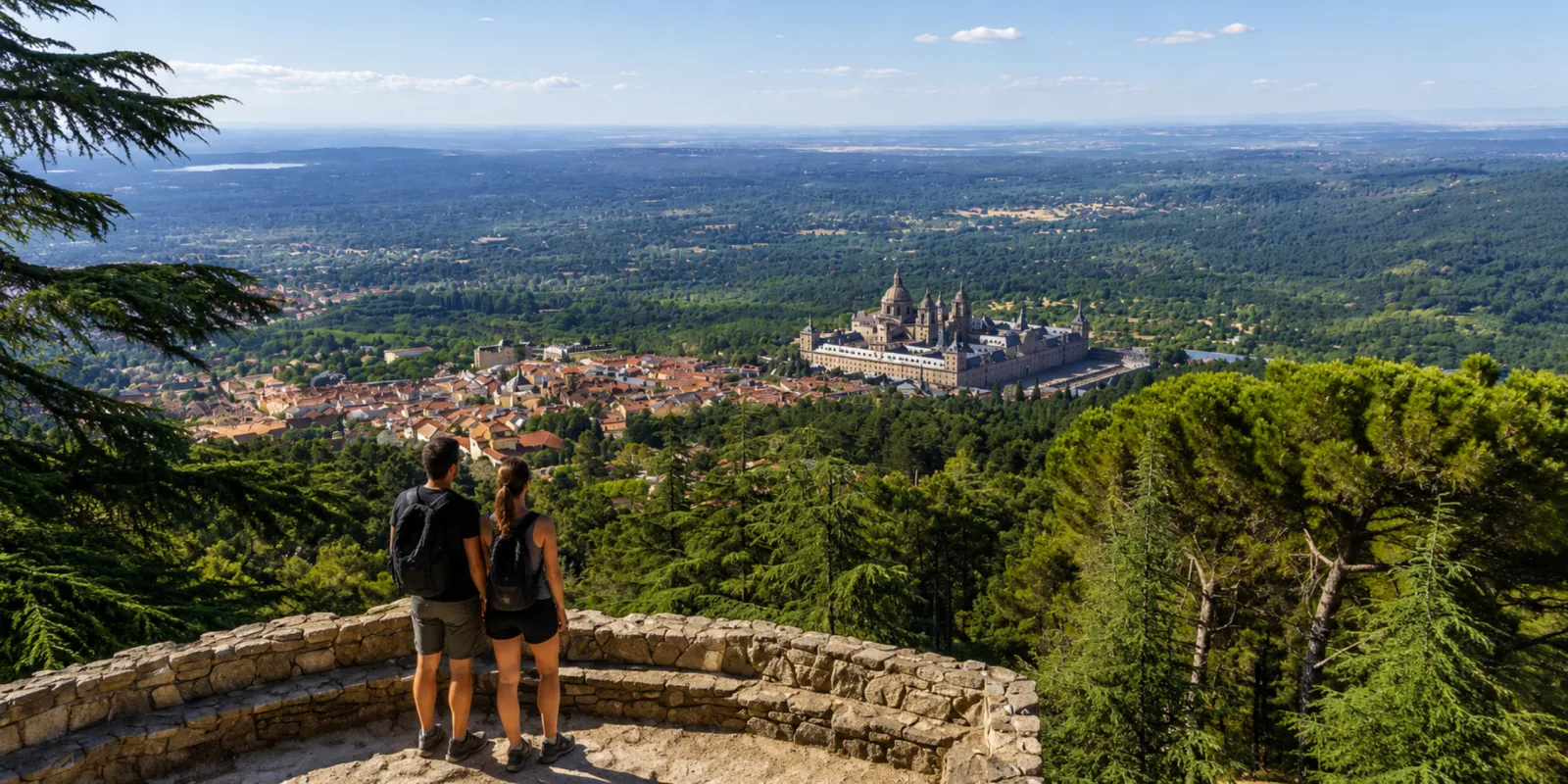
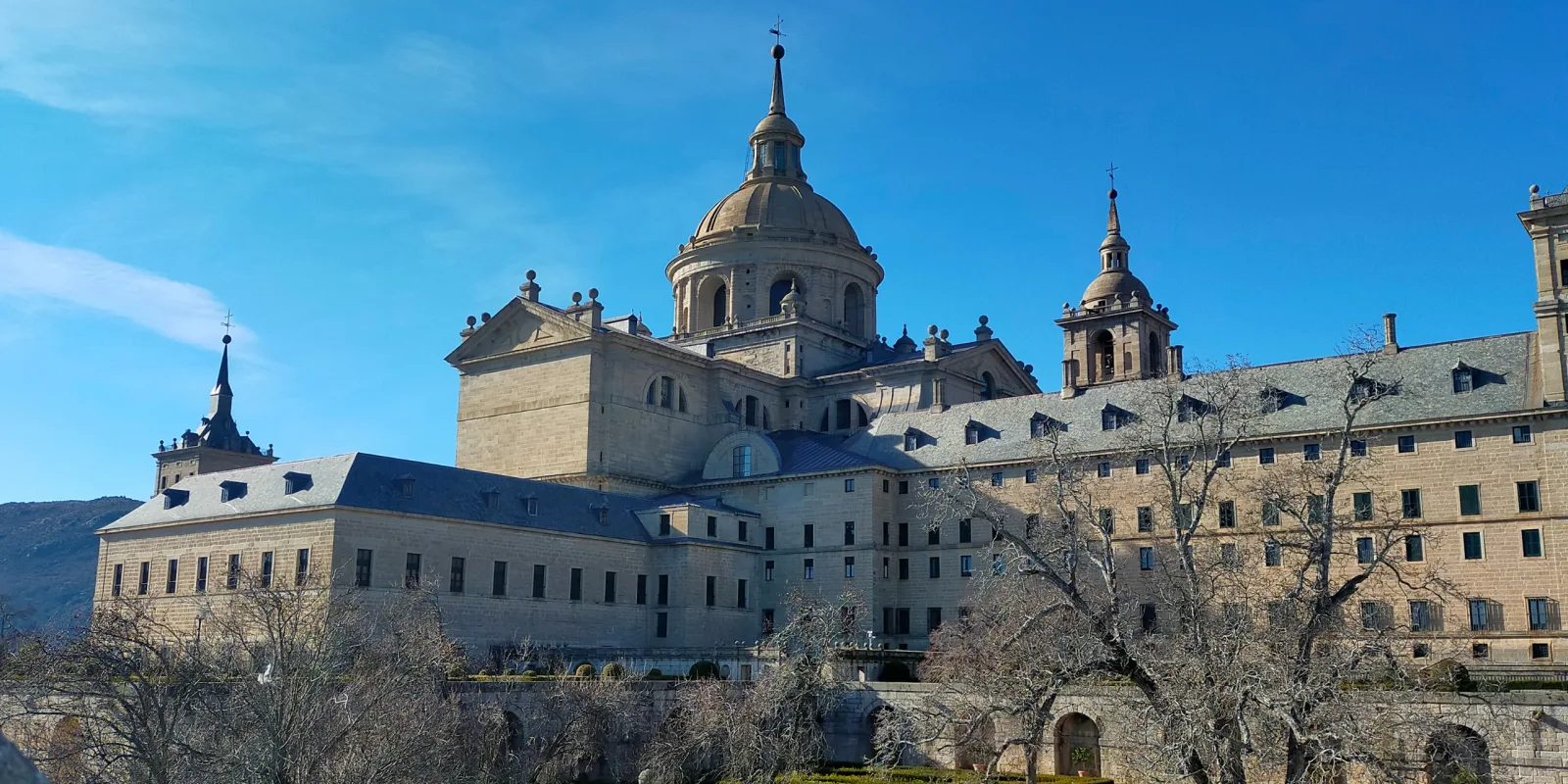
All four day trips with a monument shut on Mondays and stop admitting visitors at different points. El Escorial is €14 and closes its door an hour and a quarter early, Aranjuez is €9 and shuts the ticket office an hour before, Alcalá de Henares is €6 and Buitrago del Lozoya charges nothing at all.
The centre is walkable in an afternoon and the museums are not, so one day holds one big museum, the old centre on foot and a viewpoint. The Prado costs €15 and is free for its last two hours Monday to Saturday, the Royal Collections Gallery needs two hours, and the metro runs 6am to 1.30am.
The city-run museums charge nothing on any day and need no window, no booking and no passport. That is what a third day unlocks, and a Monday takes it away, because the Museo de San Isidro, the Museo de Historia and the Goya hermitage all close. Madrid holds 131 barrios across 21 districts.
A second day buys the palace side of the centre and a second major museum. The Prado is €15 and the Reina Sofía €12, both free for their last two hours, and the Temple of Debod costs nothing but releases its slots on the 15th of the previous month. Spending the day on Toledo costs you half the trip.
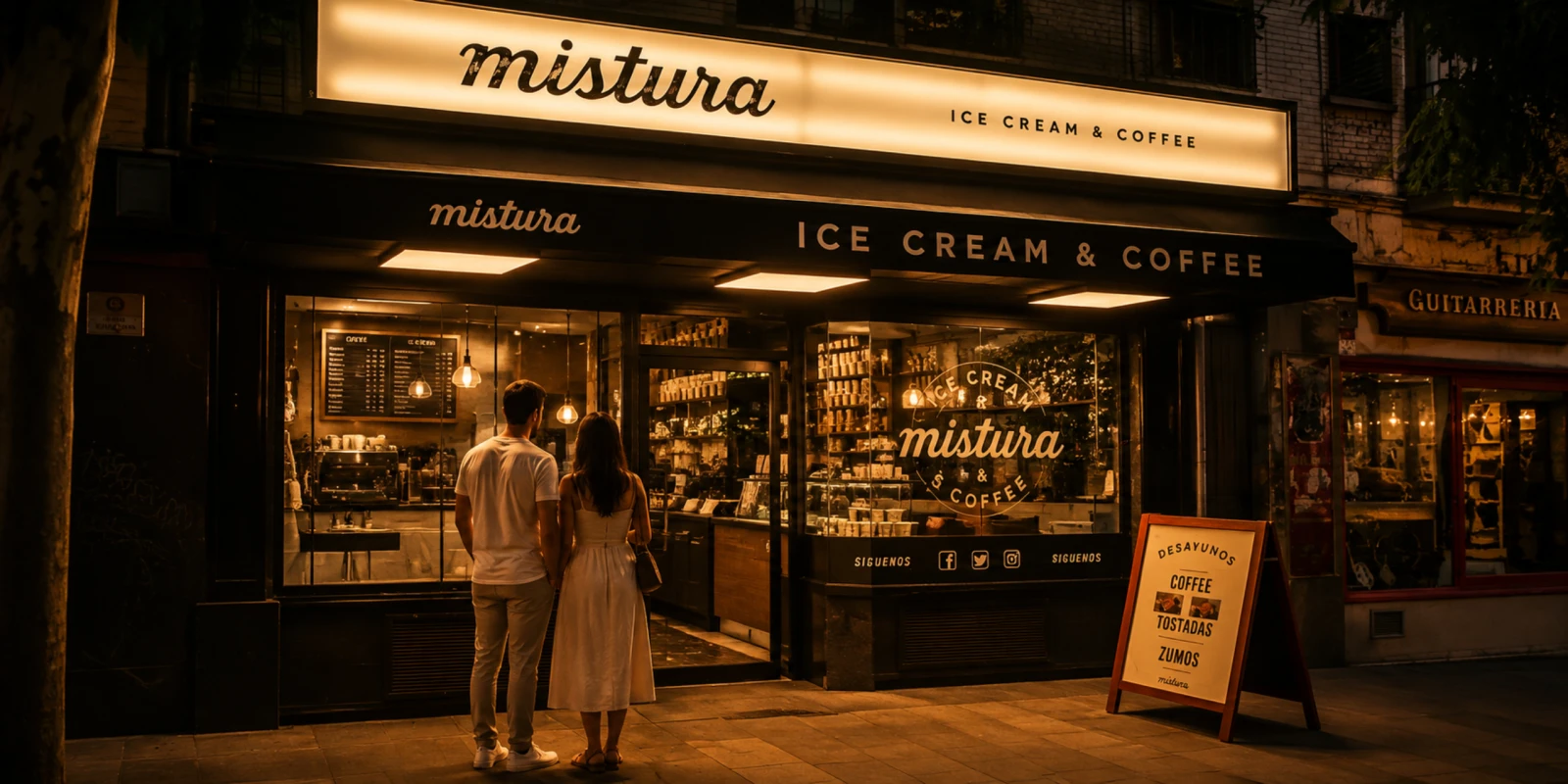
Mistura works one batch at a time, twenty litres each, with a base of fresh milk, cream and sugars for some flavours and plain water for the vegan ones, which is why its vegan counter runs to fruit. It has 6 shops, all inside the centre, the first opened in June 2013 on Calle de Augusto Figueroa.
The branch on Puerta del Sol sells exactly what the one in Carabanchel sells, because one workshop supplies all thirteen every morning. Four sit in the tourist centre, at Puerta del Sol 11, Calle del Carmen 27, Gran Vía 56 and Bailén 11, and two stand outside the city altogether.
Churros at four in the morning, cocido at midday and suckling pig until half past eleven. Three dishes and four century-old houses, because the cocido has two. Botín is of 1725, Taberna La Bola of 1870 with menus from €39.90 to €47, San Ginés of 1894 and never shuts, and Malacatín of 1895.
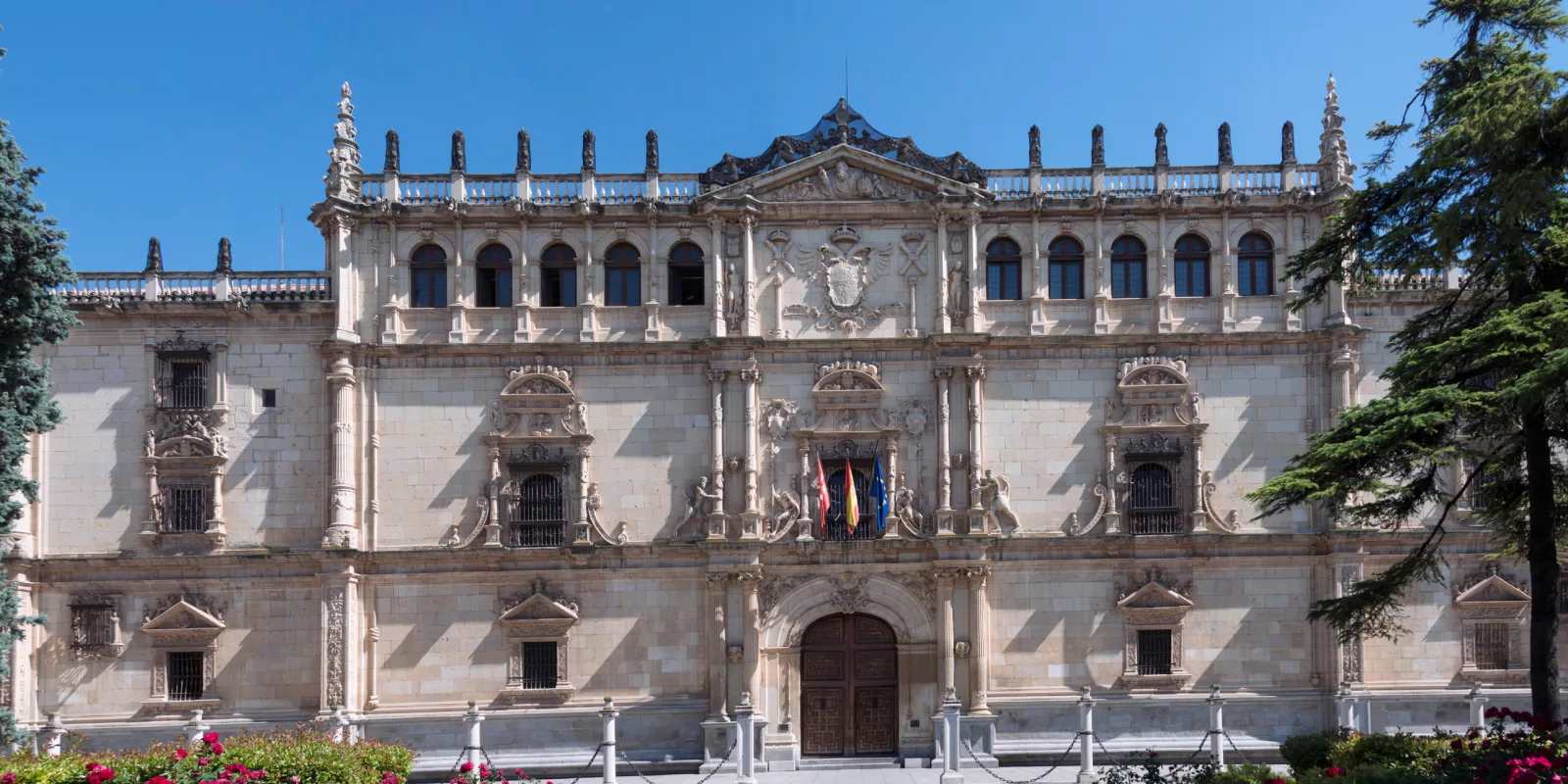
The Cervantes birthplace museum charges nothing, temporary shows included, and the Colegio Mayor de San Ildefonso charges €6, or €4 reduced. The only slot not run in Spanish is Saturday at 14:00, the last of the four morning passes. The museum closes on Mondays, so the trip turns on the day of the week.
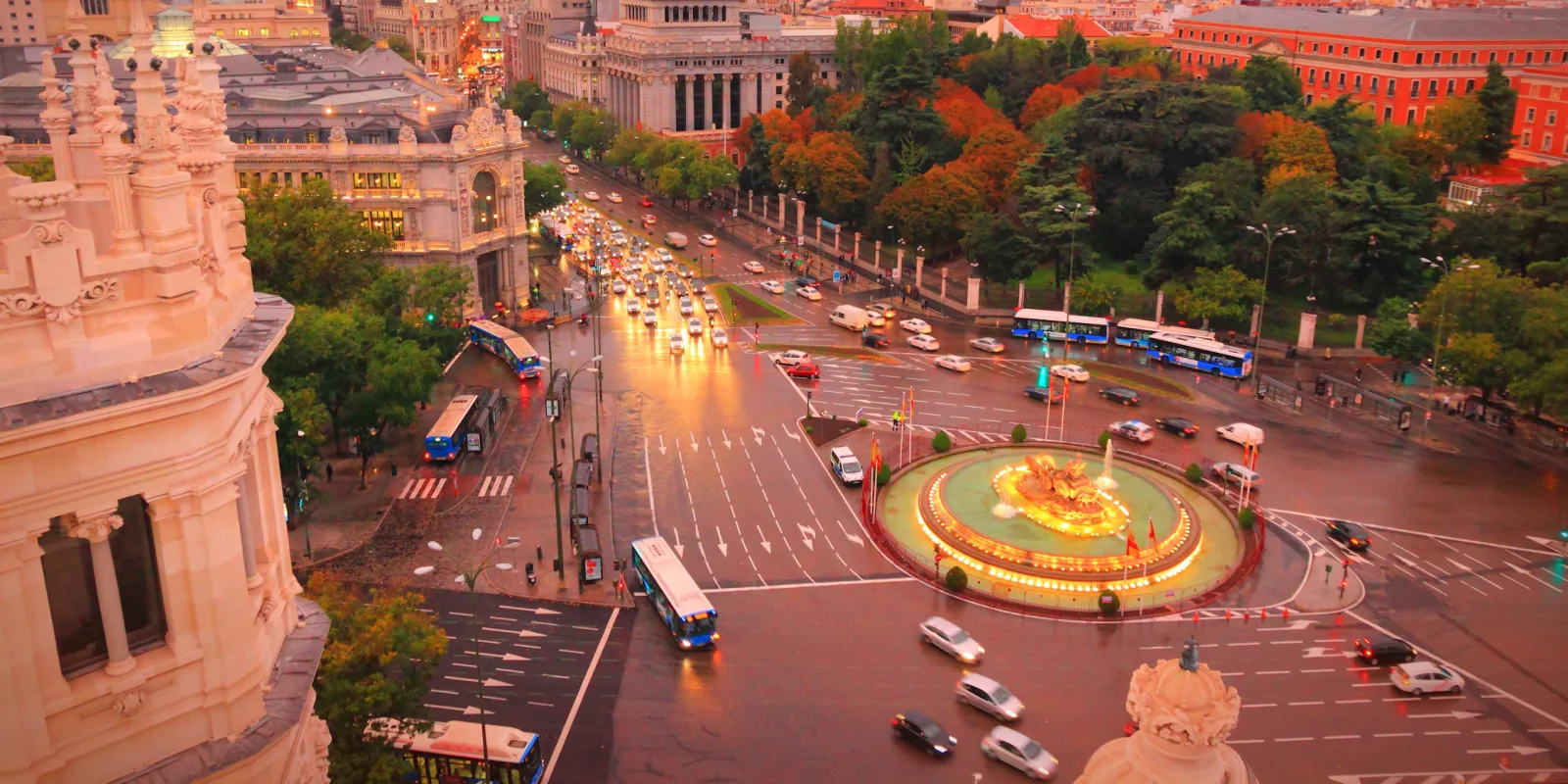
Three euros for the tower of the Cibeles Palace, plus €0.50 in handling if you book online, in half-hourly slots from floor 6E up a staircase of 88 steps. It opens Tuesday to Sunday, 10.30am to 2pm and 4pm to 7.30pm, and it is the rare Madrid ticket that says in writing you get your money back.
El Escorial charges €14, Aranjuez €9, Alcalá de Henares €6 and Buitrago del Lozoya nothing at all. Patrimonio Nacional runs the first two and local bodies the other two, and without any coordination all four open Tuesday to Sunday and close on Mondays, which decides the day before the destination.
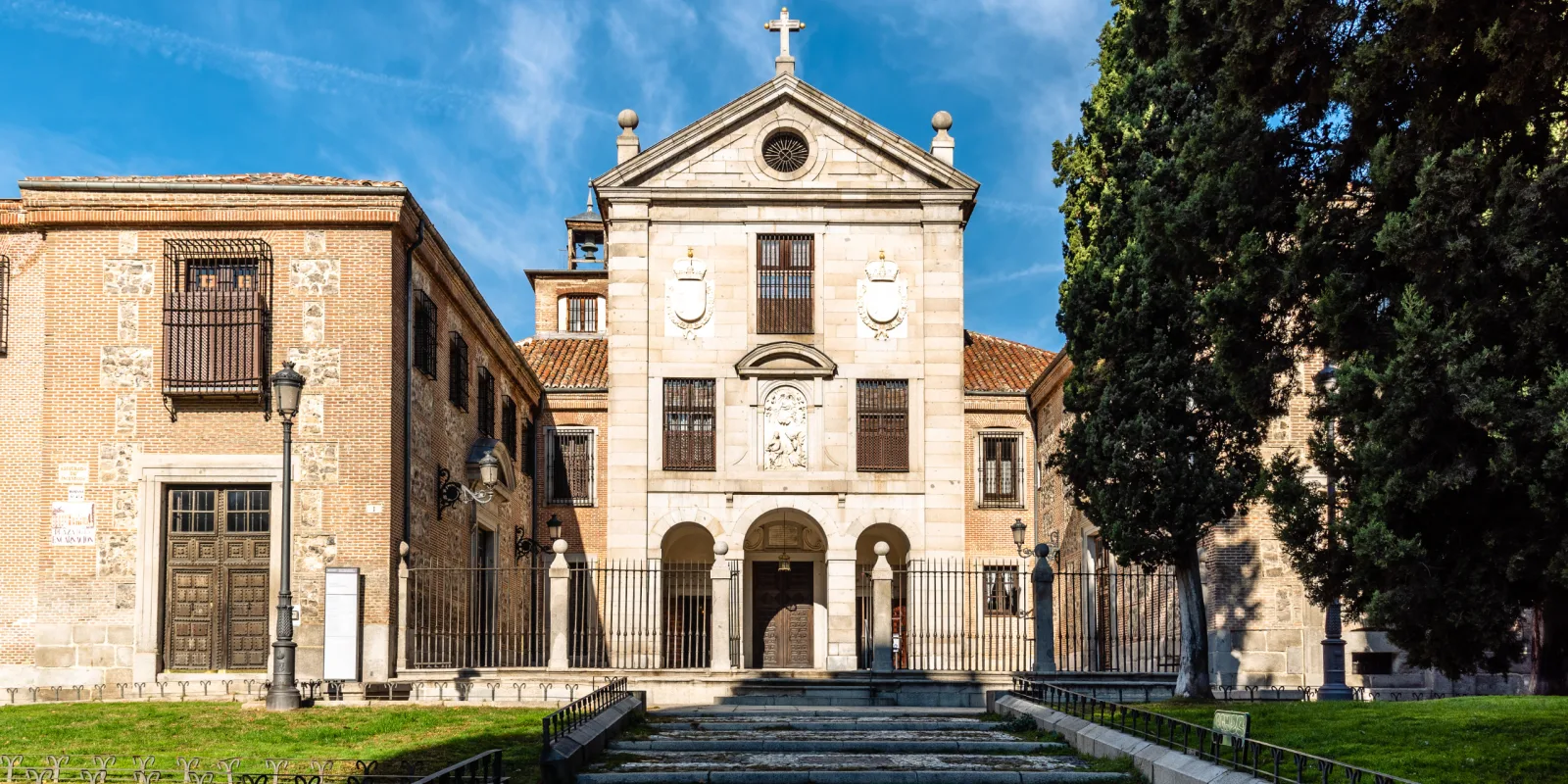
The Descalzas Reales and La Encarnación charge a flat €9 and admit nobody without a booked guided tour, 60 minutes at the first and 50 at the second. Both close on Mondays. Every tour sold online runs in Spanish, and the single English tour of the week leaves the Descalzas Reales at 12:00.
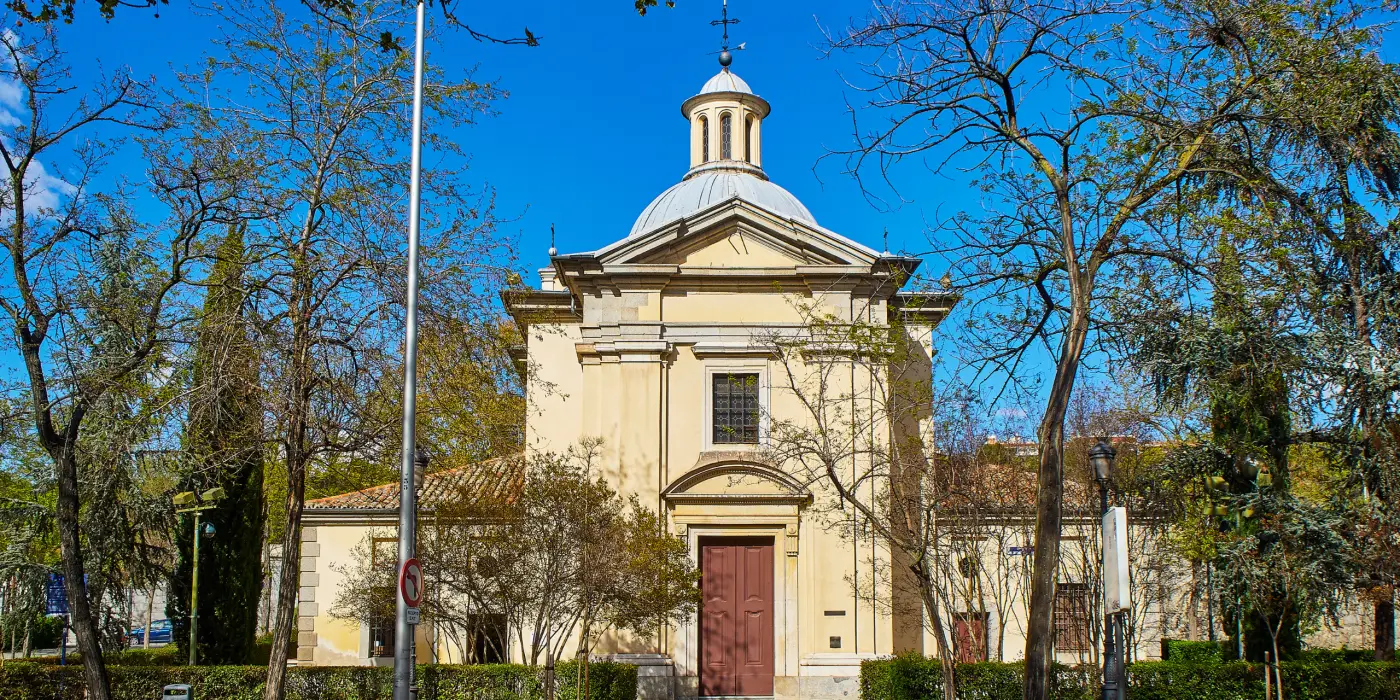
The Ermita de San Antonio de la Florida reopened on 12 June 2026 after a €2.2 million restoration. It is owned by Patrimonio Nacional, run by Madrid City Council, charges nothing and opens Tuesday to Sunday from 9:30 to 19:00. It shuts every Monday, public holidays included, and six fixed dates.
Regional law sets a maximum closing hour for every licence category, then gives the room a separate half hour to empty. Bars close at 2am and nightclubs at 5.30am, with 30 minutes more on Fridays, Saturdays and the eve of a holiday, and 45 minutes to clear a room licensed for 300 or more.
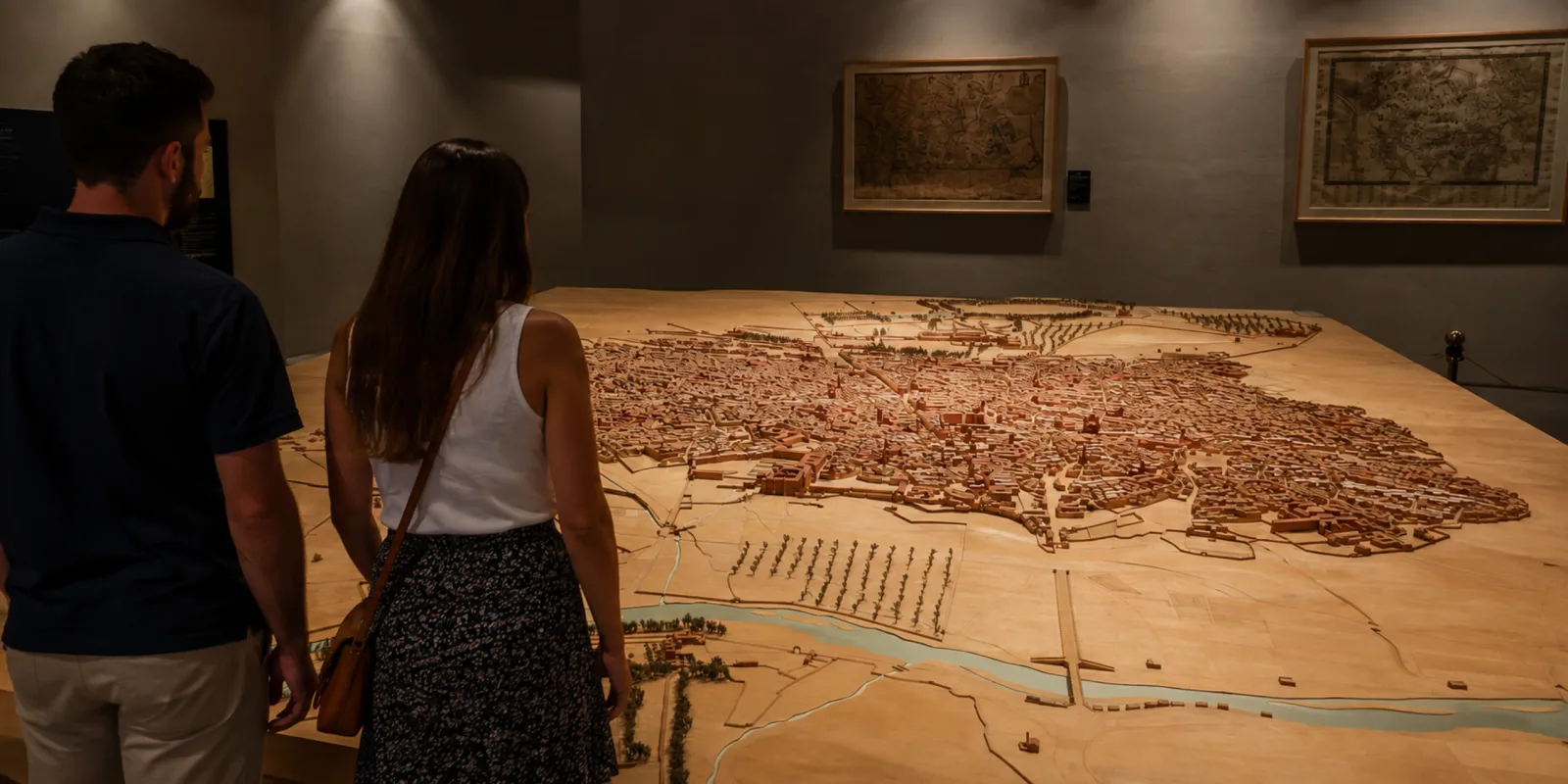
The Museo de Historia de Madrid charges nothing and opens Tuesday to Sunday, 10:00 to 20:00, cut to 19:00 between 15 June and 15 September. It keeps an 1830 scale model of the city inside a former hospice, and its 1721-1726 doorway by Pedro de Ribera stands on the pavement and needs no ticket.
A lottery at the beech forest, a car counter at La Pedriza, a fixed season for the bathing spots and a fare at the Botanical Garden. Montejo draws places on the 1st and 16th, La Pedriza caps at 270 parked vehicles, the five bathing spots open 15 May to 15 September, and the garden charges €4.
Twenty-five open-air municipal pools and five age bands, so an adult pays €2.25 a session and €4.50 for the day while an over-65 pays €0.70 and €1.35. The season runs 15 May to 6 September, and 80 % of the places are sold online only, released exactly 49 hours before the session you want.
Four museums, two days and one ten-journey transport ticket. Paying every admission costs €58.10 and using the free windows costs €7.30, but that €50.80 gap also costs you two museums, because the Royal Palace has no weekend window at €18 and the Thyssen opens only its temporary rooms.
The Museo de San Isidro writes public holidays into its opening hours and the Goya hermitage writes them into its closures, so a bank holiday Monday opens one and shuts the other. Both are free and both belong to the city. San Isidro runs 10:00 to 20:00 at Plaza de San Andrés 2, and closes on Mondays.
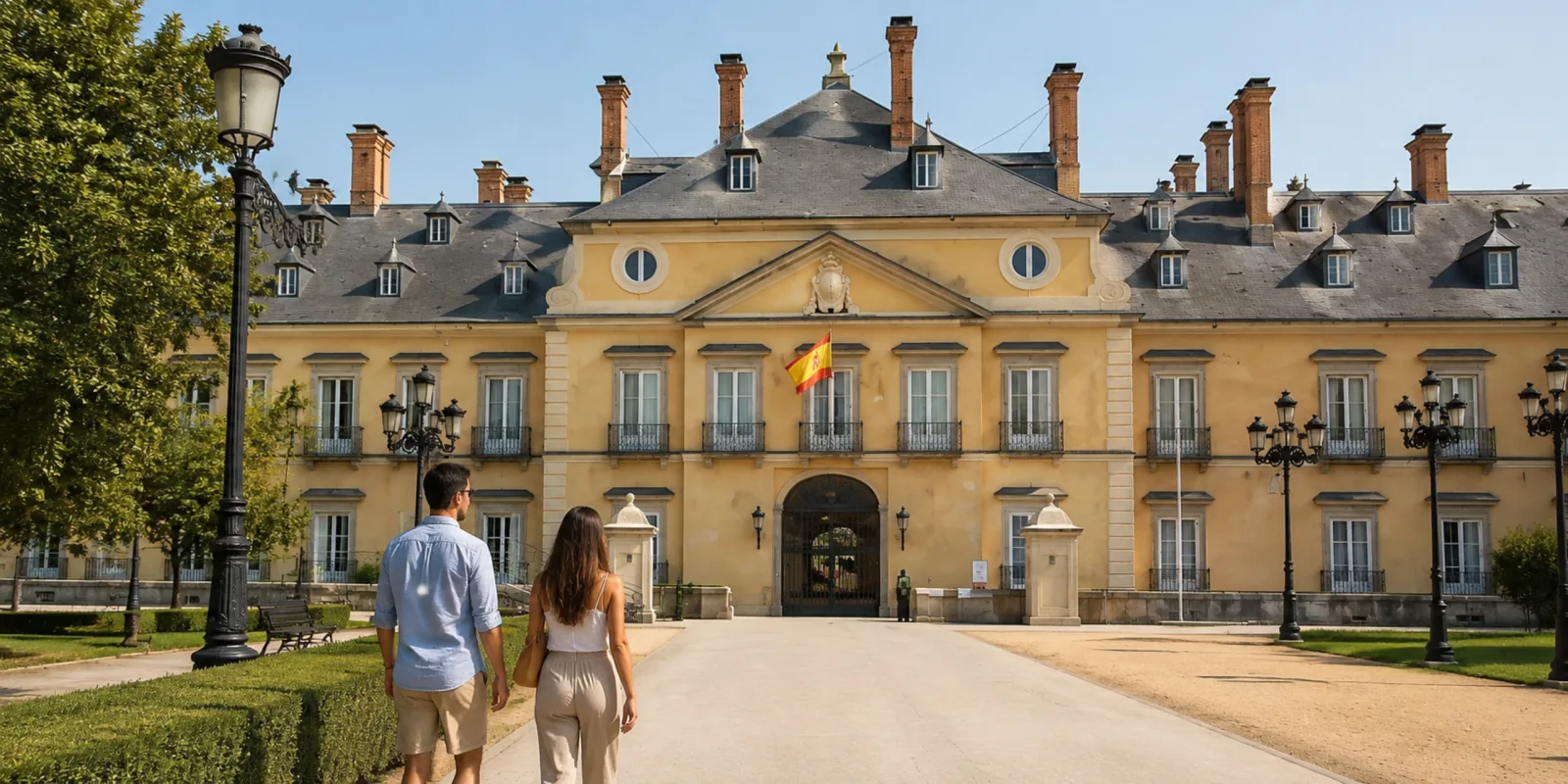
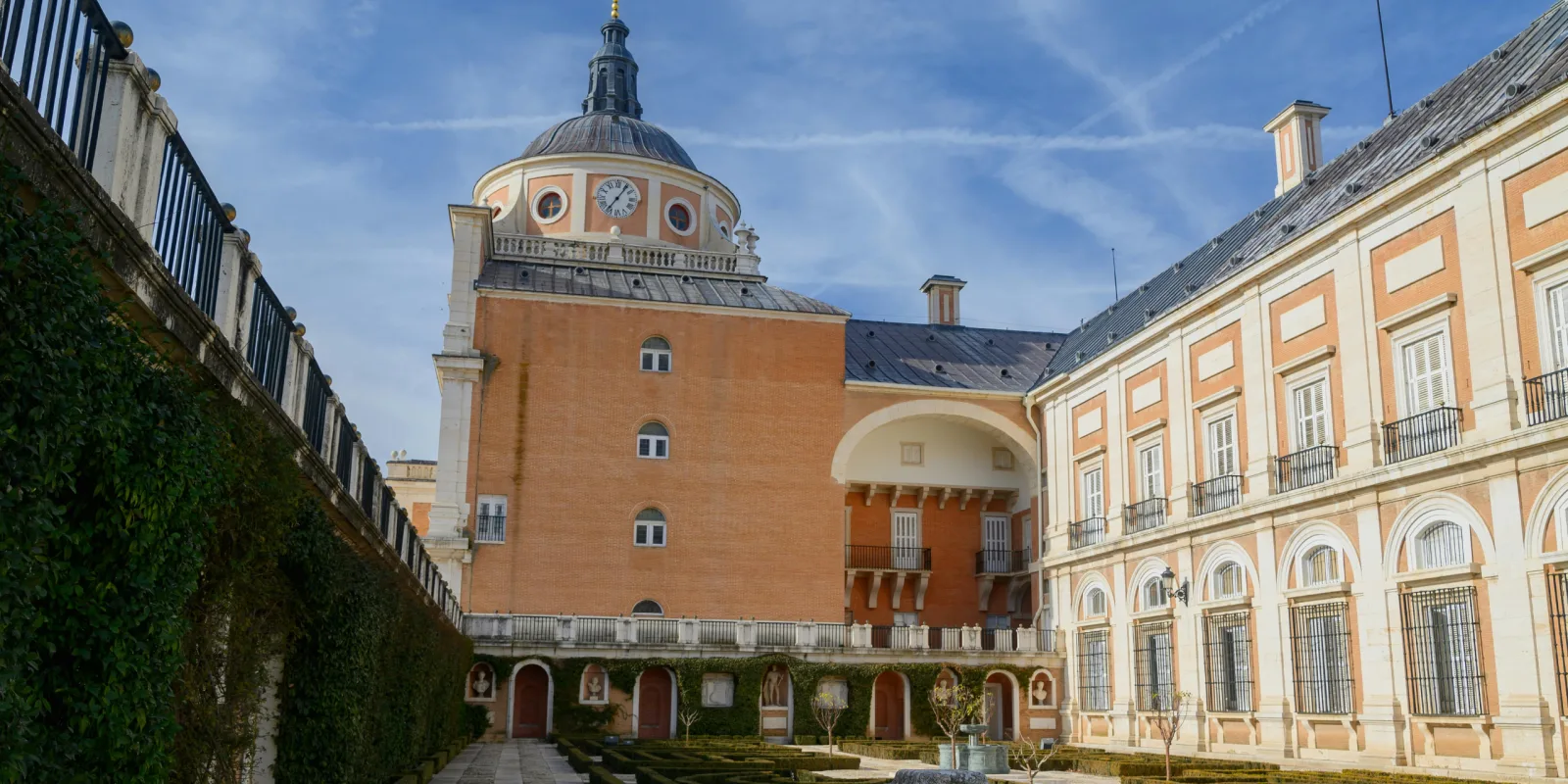
A royal site reached on an ordinary city bus, charging €9 full and €4 reduced, which is exactly what the Royal Palace of Madrid takes as a concession. It opens Tuesday to Sunday, to 18:00 from October to March and to 19:00 from April to September, and the Casa del Príncipe is a separate €5 ticket.
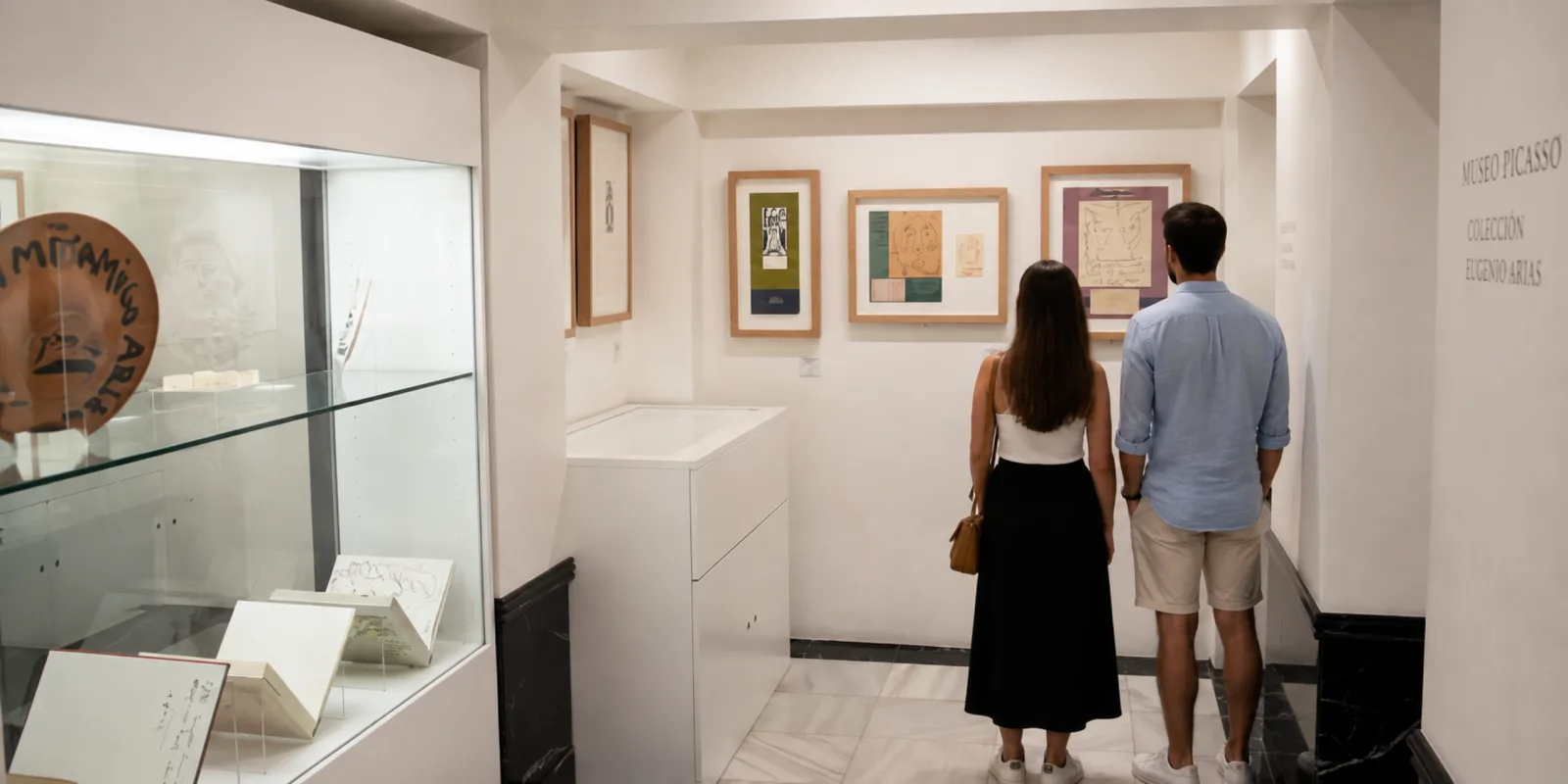
Buitrago del Lozoya holds work Picasso signed over to his barber, and admission costs nothing, temporary exhibitions included. The catch is the clock. It opens 11:00 to 13:45 and 16:00 to 18:00 from Tuesday to Friday, 10:00 to 14:00 and 16:00 to 19:00 on Saturdays, and mornings only on Sundays.
Madrid closes six parks outright in a red weather alert, the Jardines del Buen Retiro among them, and restricts zones in seven more, including Casa de Campo. There are three alert levels, and what decides which list a park lands on is whether it has gates, not how many hectares it covers.
The Royal Collections Gallery opens all seven days, 10:00 to 20:00 Monday to Saturday and to 19:00 on Sundays, with no weekly closure at all. The full ticket is €14 and the concession €7, the average visit runs two hours, and the building is cleared 15 minutes before the doors shut.
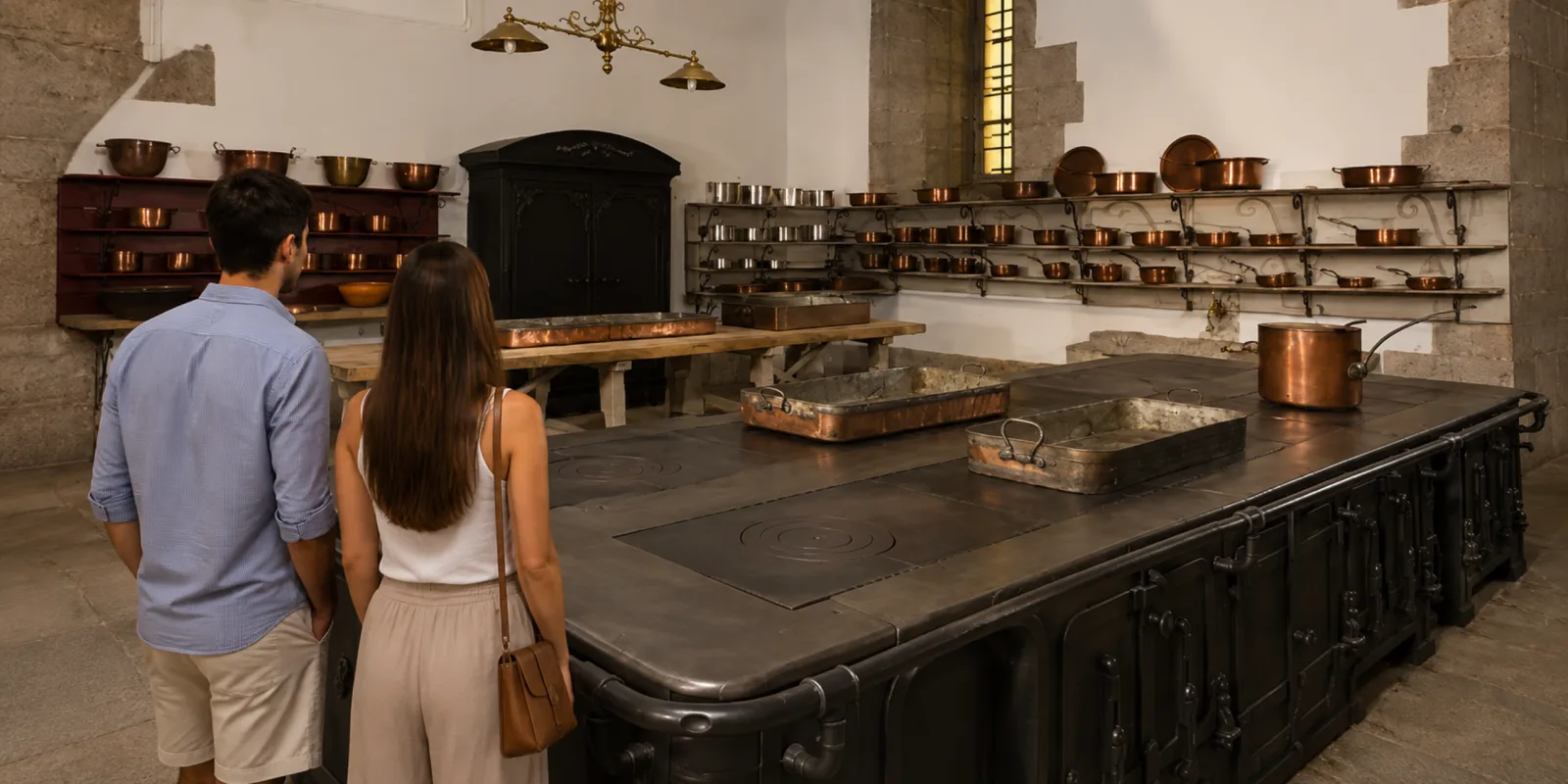
The Royal Kitchen is a separate 45-minute guided tour with its own door and its own clock, at €8 a head, and anyone entitled to free Palace entry still pays it, because the money covers the guide. Combined with the Palace it is €24 full and €12 reduced, one of two different €24 tickets on sale.
Shops answer to the Comunidad de Madrid, which also sets 12 of the 14 public holidays. Terraces and the low emission zone answer to the city, every transport fare to the Consorcio, and museums to Patrimonio Nacional, the Ministry of Culture, the CSIC or a private foundation. No rule carries over.
Half the price of the Royal Palace of Madrid and 5 € below El Escorial, on the same weekly calendar. A general ticket is 9 € and the reduced one 4 €, for ages 5 to 16, over-65s and students up to 25. Plus the one building on the estate shut out of every exemption, including the free 12 October.
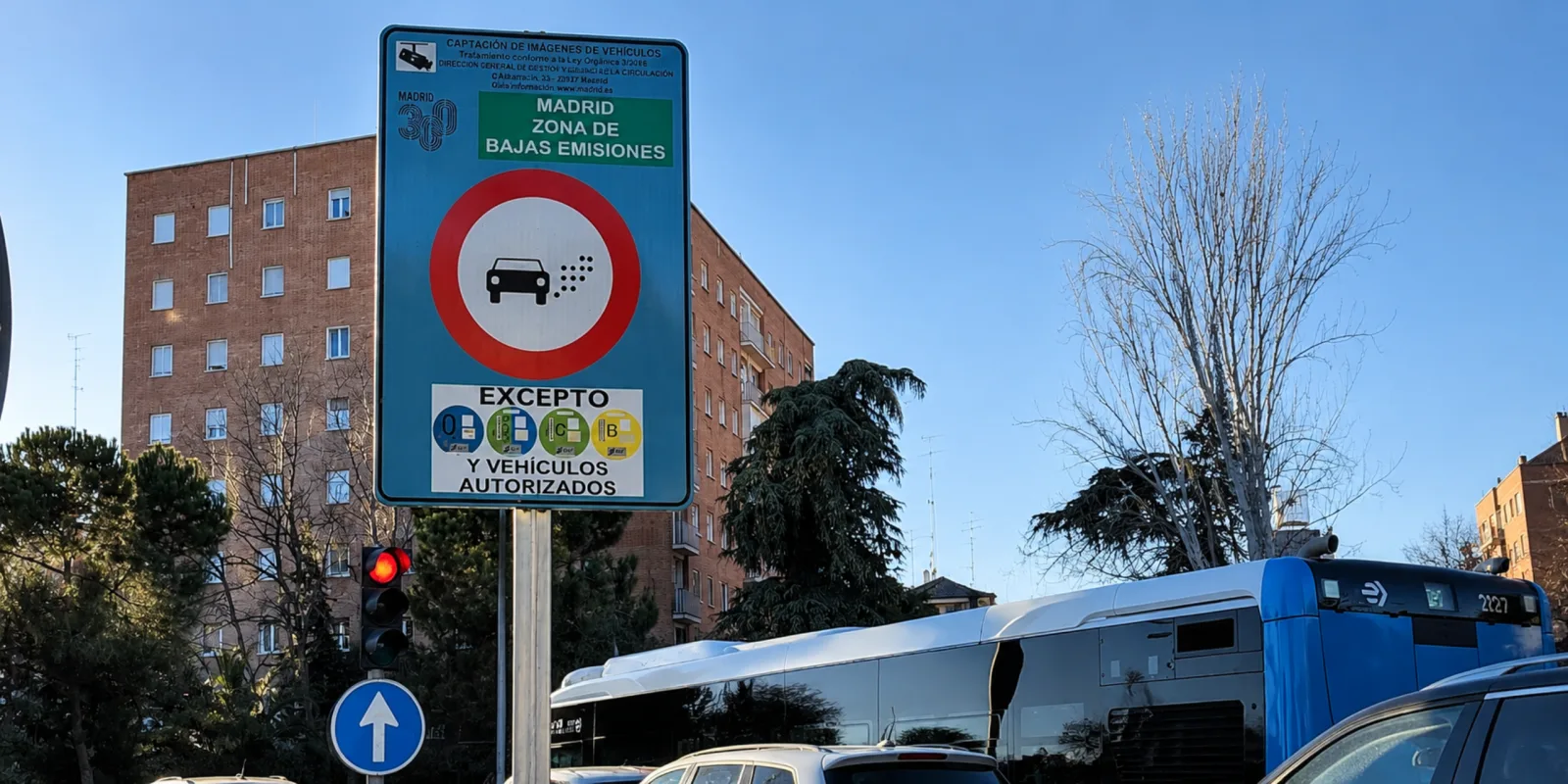
Madrid has three restricted perimeters that apply different rules to the same windscreen sticker. A 0, ECO, C or B label drives across the whole municipality, unlabelled cars have been banned since 1 January 2025 with a €200 fine, and the Distrito Centro asks B and C cars for an authorised destination.
The only Royal Site with a 75-minute cut-off instead of 60, which puts the last admission at 17:45 from April to September and 16:45 from October to March. The general ticket is 14 €, the reduced one 7 € and a guided visit adds 8 €. Nine free-entry categories apply, and none of them asks your nationality.
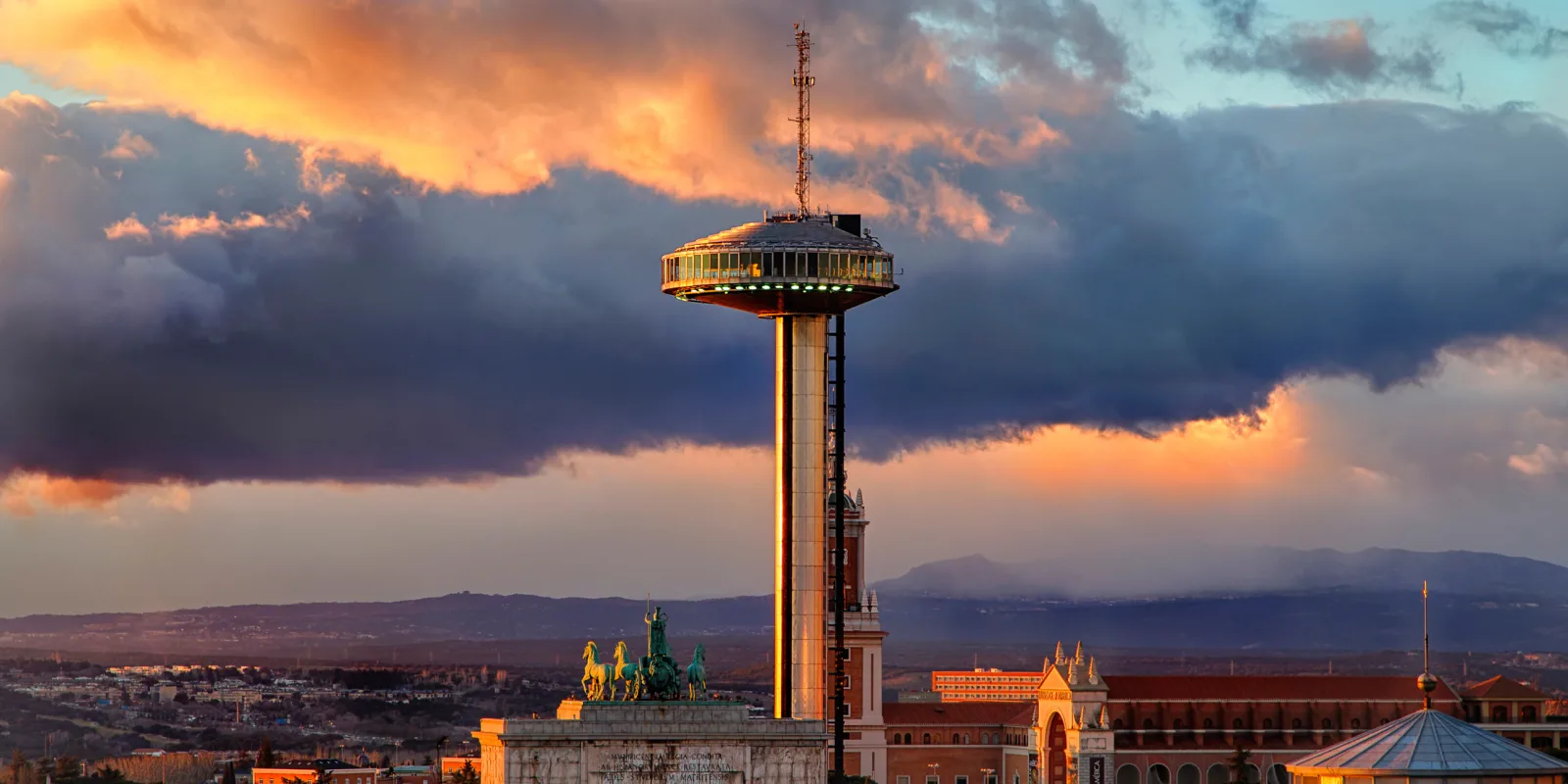
The Faro de Moncloa charges €4, or €2 reduced and €1 for under-6s and official guides, and each ticket buys a maximum of 30 minutes on a platform 92 metres up a 110-metre tower. It closes on Mondays and in adverse weather, which is the clause that catches people who have already paid.
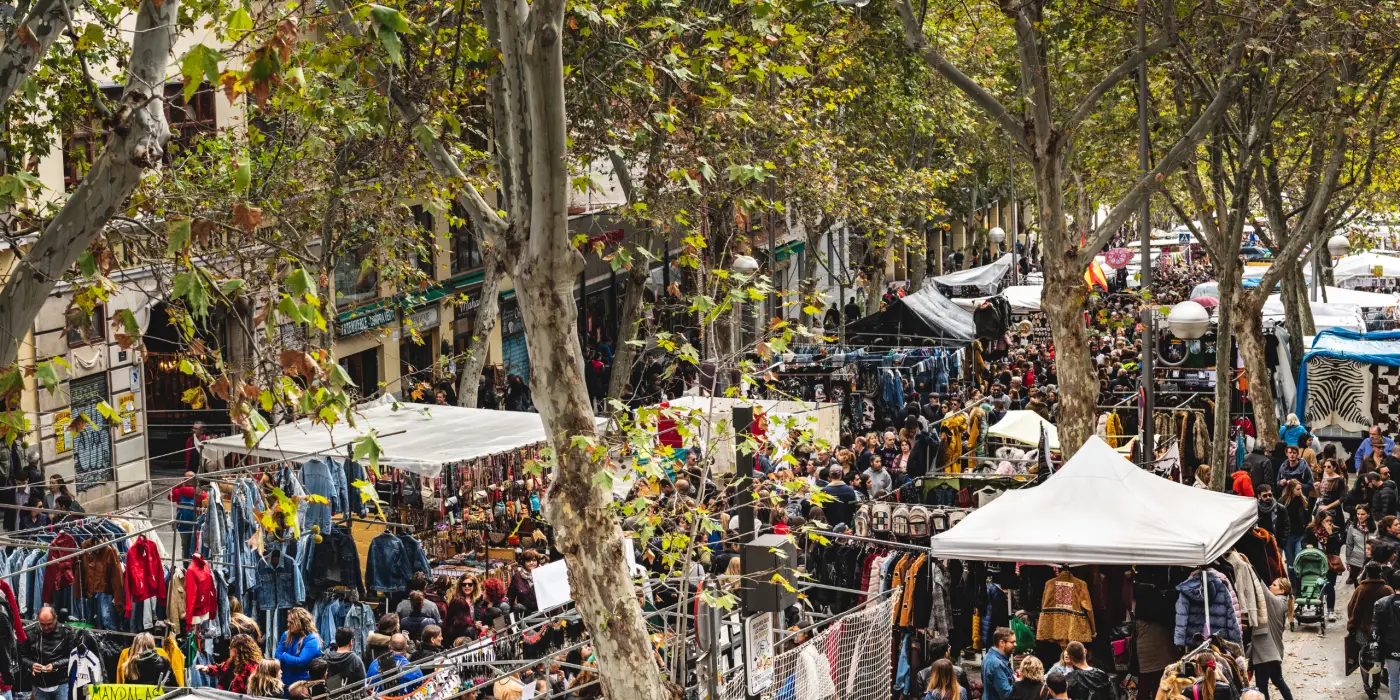
The Madrid flea market opens 9:00 to 15:00 on Sundays and on every public holiday, so a well-timed trip can catch it twice in one week. Madrid City Council authorises 1,200 stalls in the Embajadores neighbourhood, setting up from 8:00, and on ordinary weekdays no street stall goes up at all.
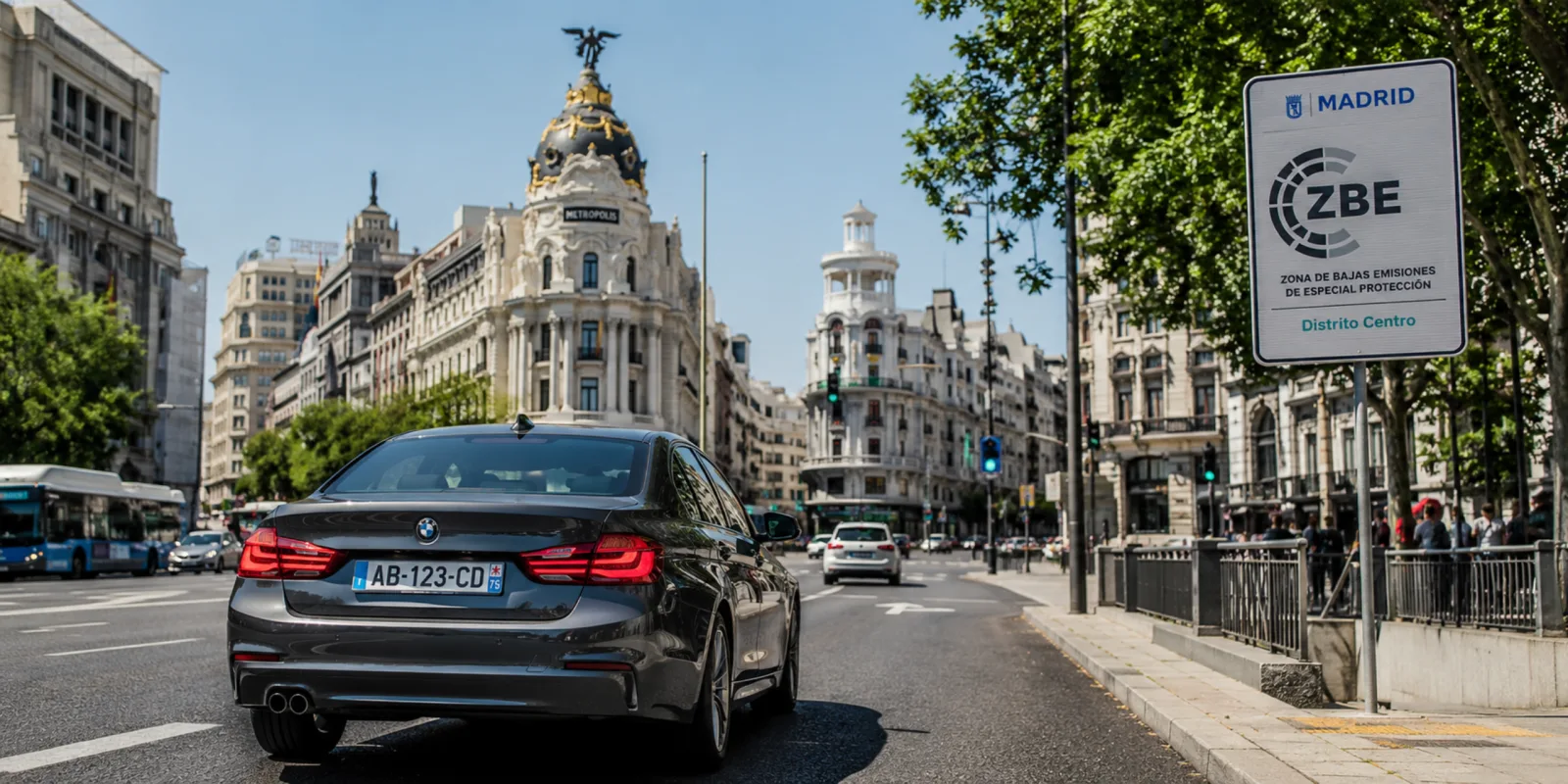
Spain issues no environmental label to a foreign-plated car and recognises only the stickers of Germany, Austria, Denmark and France. Madrid has banned category A vehicles from the whole municipality since 1 January 2025, with a €200 fine, and its rules set out no exemption by country of registration.
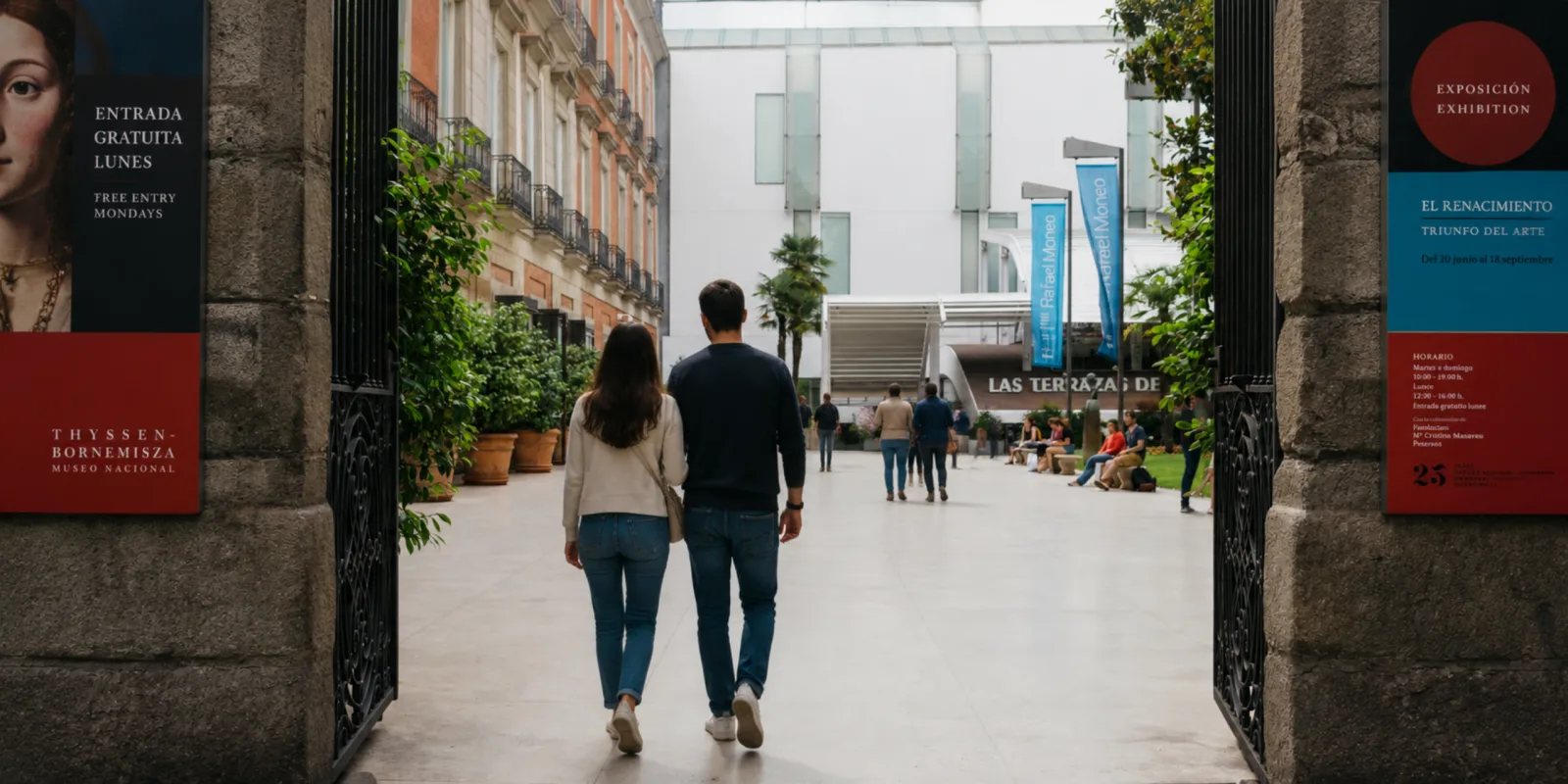
Four major museums open free and no two share a rule. The Prado runs 6pm to 8pm Monday to Saturday and 5pm to 7pm on Sundays, the Reina Sofía 7pm to 9pm but shuts on Tuesdays, the Thyssen opens only four hours on a Monday, and the Royal Palace admits EU and Ibero-American citizens alone.
Twelve Madrid museums open free at some point, but the windows sit on two days. Monday is the only one where the Thyssen, the Royal Palace, the Prado and the Reina Sofía all fall free, and Saturday adds the eight state museums from 14:00. The Royal Palace asks EU or Ibero-American nationality at the desk.
Can you drive into La Pedriza? Yes, with no booking, until 270 cars are parked inside at once and only while the La Camorza barrier is open. Miss out and a 75-space car park beside the barrier lets you walk on to Canto Cochino, while Las Dehesas at Cercedilla sells its 240 places in advance.
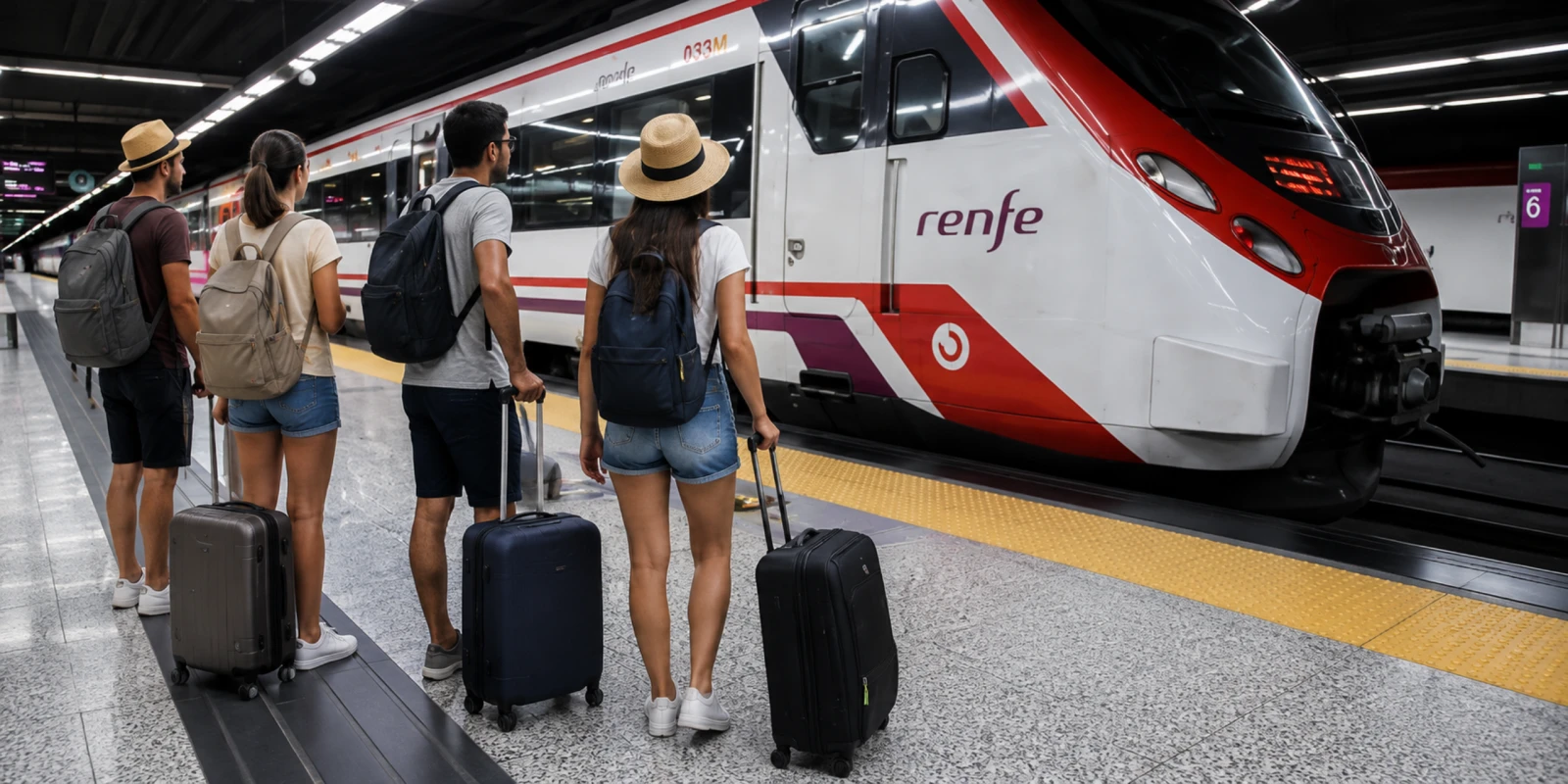
The €3 airport supplement is a separate ticket, charged on single fares of €1.50 to €2.00 and on the €7.30 ten-trip Metrobús. It is not charged on the Tourist Travel Pass, the 30-day or annual Transport Pass, or a Cercanías ticket on line C-1 to Terminal 4, which is where the real saving sits.
The single fare is €1.50 for up to five stations, rises €0.10 a station from the sixth to the ninth, and caps at €2.00 from the tenth, so a seven-station trip costs €1.70. The 10-trip Metrobús costs €7.30, which is €0.73 a journey and beats every single ticket from the fifth trip onwards.
A C label lets you drive across Madrid, park freely inside Plaza Elíptica and still earn a €200 fine in the Distrito Centro, where B and C cars need an authorised destination and cannot pass through. Three nested perimeters, three different rules, and unlabelled cars banned since 1 January 2025.
The metro shuts at 1:30 every night of the year and reopens at 6:00, weekends included. Two EMT routes cover the gap to Barajas. The Exprés Aeropuerto 203 runs 00:00 to 5:40 from Atocha and Cibeles at €5.00, while night bus N32 runs 00:15 to 5:30 from Avenida de América at the ordinary fare.
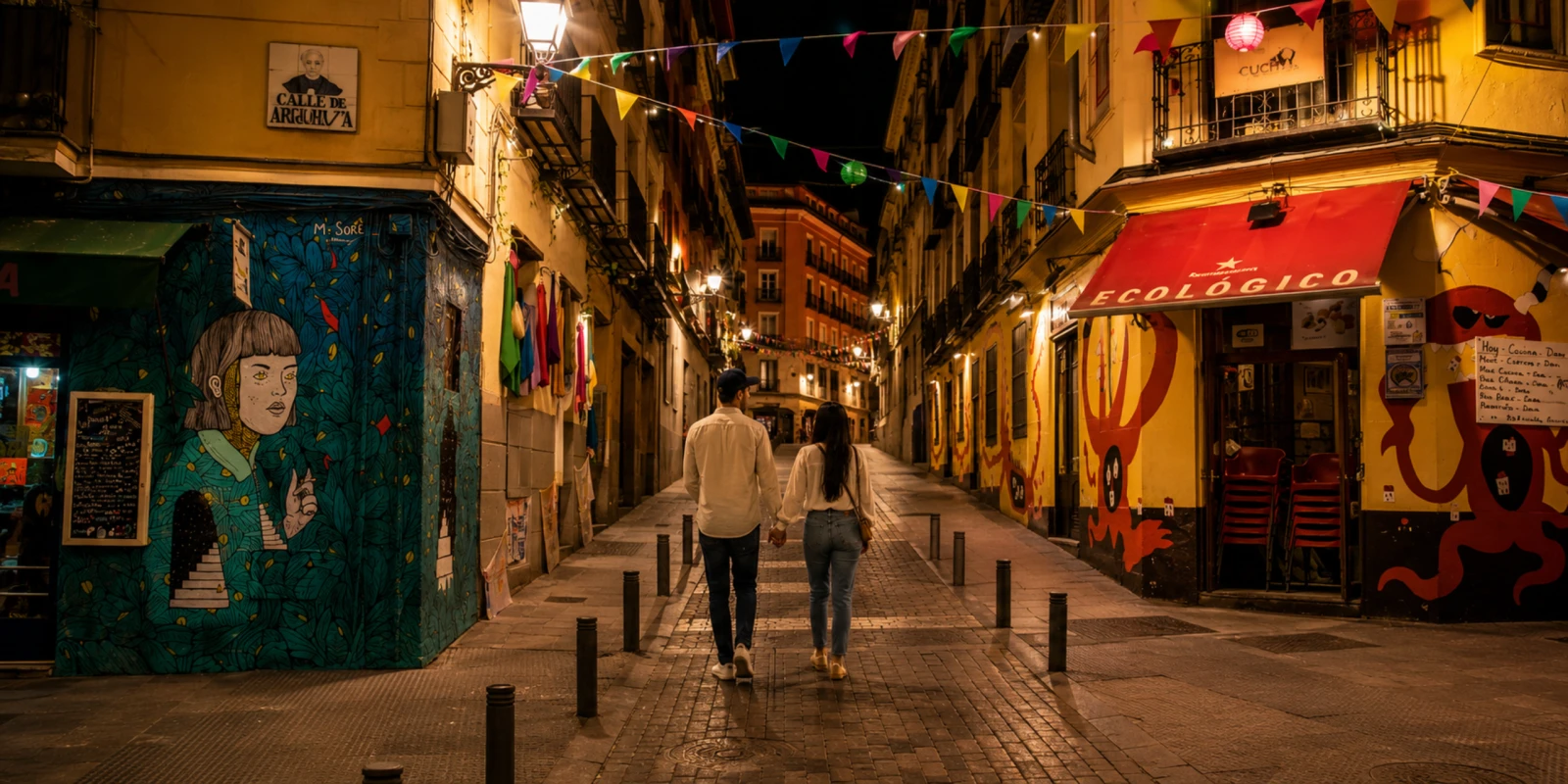
Malasaña, Chueca, Lavapiés and La Latina appear on every city map and on no municipal list. The Centro district has six official barrios, Palacio, Embajadores, Cortes, Justicia, Universidad and Sol, out of 131 across 21 districts, delimited in 1987. Malasaña is the nickname of Universidad.
Fourteen days a year, of which the Comunidad de Madrid sets 12 and the city 2, on 15 May for San Isidro and 9 November for La Almudena. Two of the regional days are shifted off their nominal date and two move with Easter. Metro de Madrid runs 6:00 to 1:30 on every one of them, and El Rastro trades.
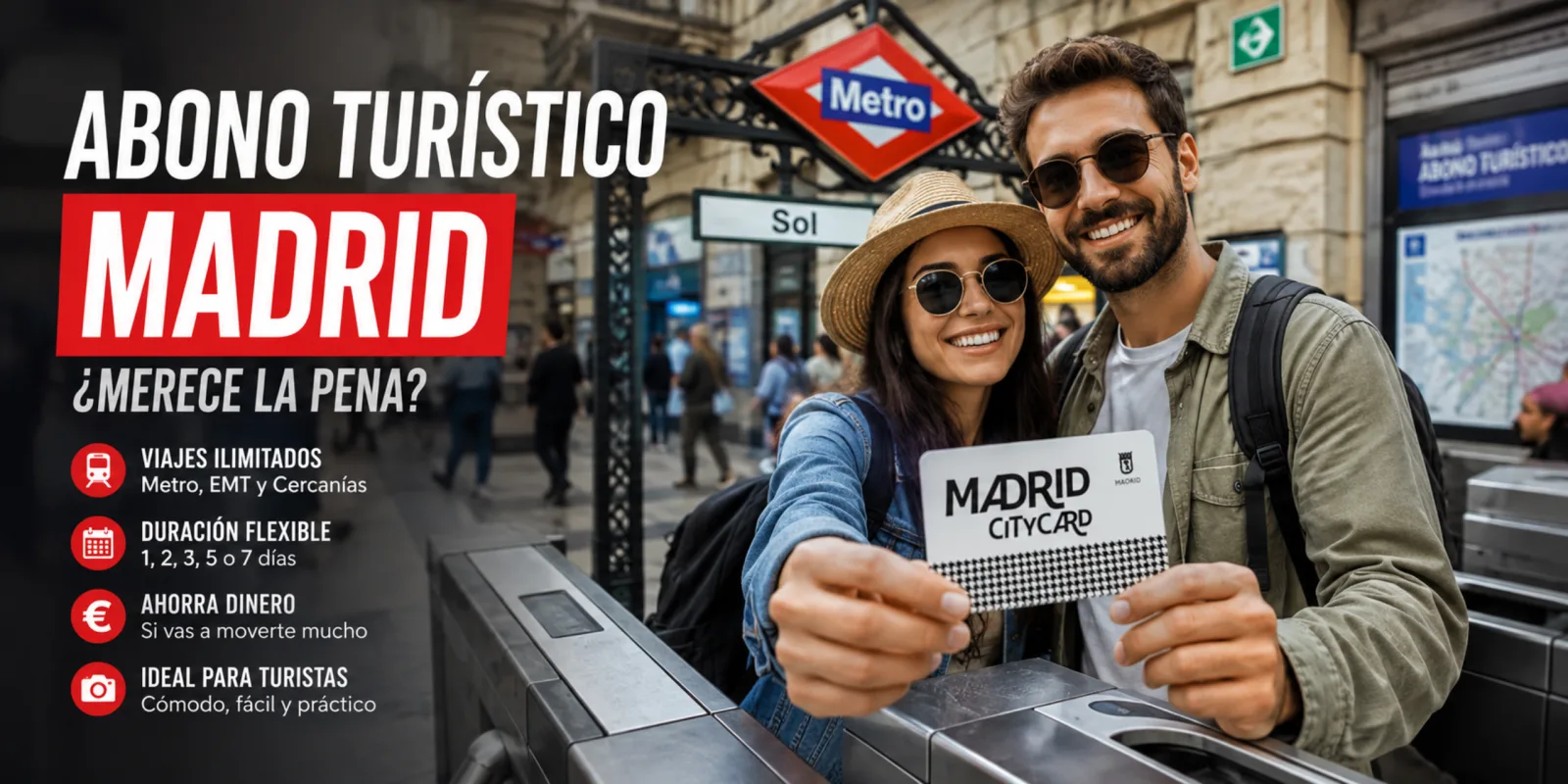
Five tickets cover the same network. Under five journeys a single fare of €1.50 to €2.00 wins, from five the €7.30 Metrobús at €0.73 a trip, and with the airport in both directions the one-day Tourist Travel Pass at €10.30, because it absorbs the two €3 supplements the other two do not.
Ley 2/2012 removed every cap on trading hours in the Comunidad de Madrid on 15 July 2012, so each retailer sets its own days and hours, Sundays and public holidays included. Museums are the exception and keep their own calendars, and the rule stops dead at the border of the region.
No passport check, no time slot, no booking. Eight state museums in Madrid charge €3, or €1.50 reduced, and all eight open free from 14:00 on Saturday and all day Sunday, plus 18 May and 12 October. The Ministry of Culture sets that fare for all of them, and no nationality condition applies.
Madrid is landlocked, so its bathing waters are river pools and reservoir shores. Five are monitored under the same EU rating used on European coasts, the season runs 15 May to 15 September, and one of them, Playa del Alberche at Aldea del Fresno, carries an insufficient rating for 2026.
Ordenanza 7/2025 split the year in two and set three closing times. From 1 November to 14 March every terrace shuts at 00:00, and from 15 March to 31 October at 1:00 from Sunday to Thursday and 1:30 on Fridays, Saturdays and the eve of a holiday. It covers the tables outside, not the room inside.
A seven-day tourist pass costs €43.20 and a thirty-day transport pass €32.70 plus a €4.00 personal card, so the longer title is €6.50 cheaper. The one-day pass at €10.30 needs 15 journeys to break even against 10-trip tickets at €0.73, or only 6 once it absorbs the €6 of airport supplements on a return trip.
Since 7 April 2026 some unlabelled cars may drive in Madrid again, but only category A cars registered in the city since 1 January 2022, plus vans, lorries and motorcycles wherever registered. The permission is tied to nitrogen dioxide readings and switches off with six months of notice.
Eight zones and four prices. Zone A covers the whole municipality including all four airport terminals and costs €32.70 a month, B1 is €38.20 and B2 €43.20, and the fare then freezes at €49.20 for B3, C1 and C2. Anyone under 26 pays €10 for every zone in the network, wherever they live.
The Hayedo de Montejo is free and almost impossible to fit into a short trip. Places are released at 9:30 on the 1st and the 16th of each month for the following fortnight, applications stay open for five days, and they go by draw rather than by speed. Independent access is not permitted at all.
The environmental label belongs to the car, not to your rental contract, and you can check it by plate before you sign. A 0, ECO, C or B label drives anywhere in the zone, but a B or C cannot cross the Distrito Centro. Unlabelled cars are banned and the fine is €200, or €100 for prompt payment.
The Royal Botanical Garden sits next door to the Prado and answers to the CSIC research council, which is why it charges €4 against its neighbour's €15. The reduced rate is €1, groups of ten pay €2, under-18s enter free any day of the year, and on Tuesdays from 10:00 to 13:30 so does everyone else.
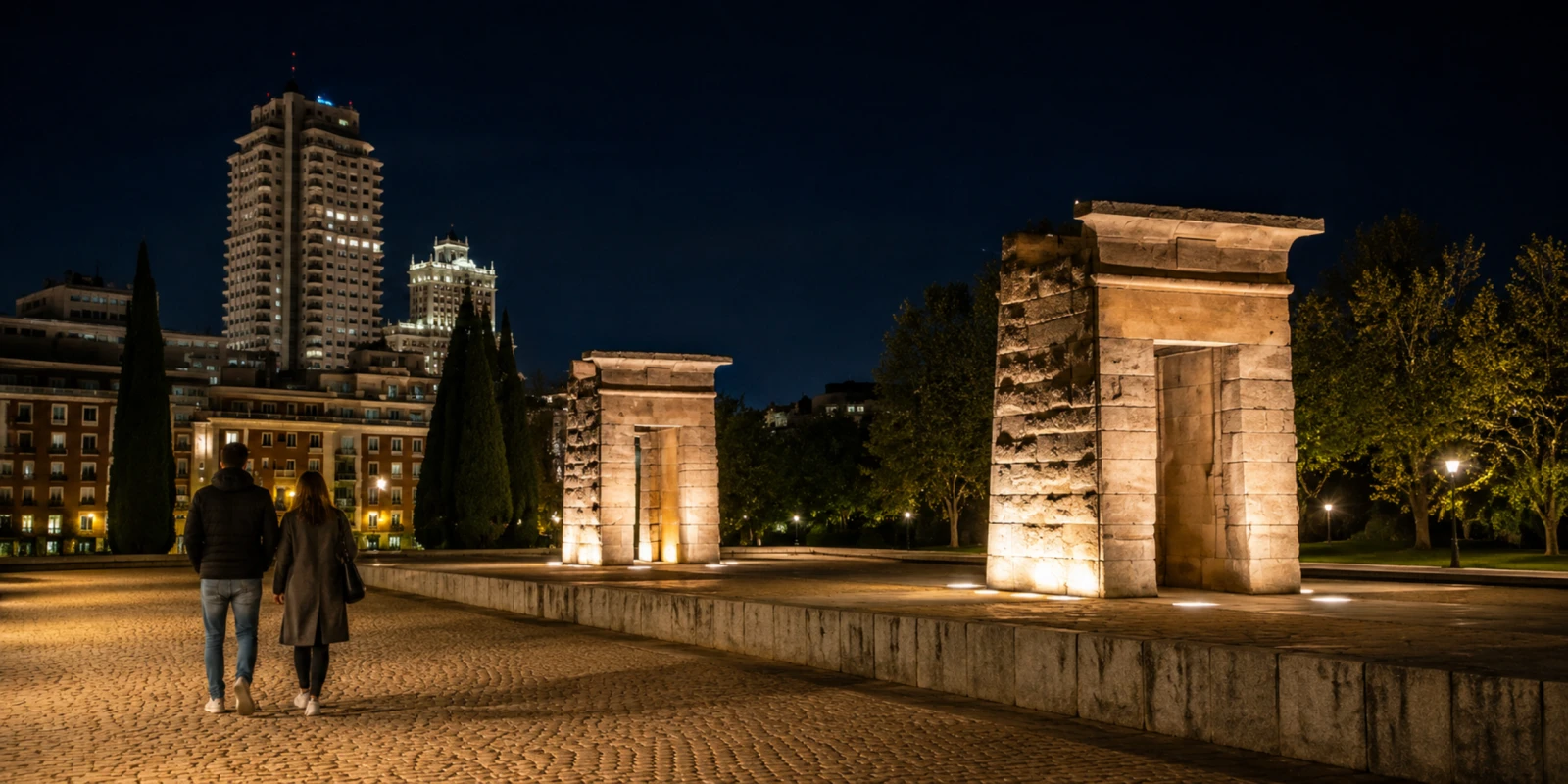
Sessions open on the 15th of the previous month, a booking covers up to 6 tickets, and the slot holds from 5 minutes before the assigned time until 10 minutes after. Against an average visit of 30 minutes that margin is half the visit. Entry costs nothing, so what Madrid rations here is capacity.
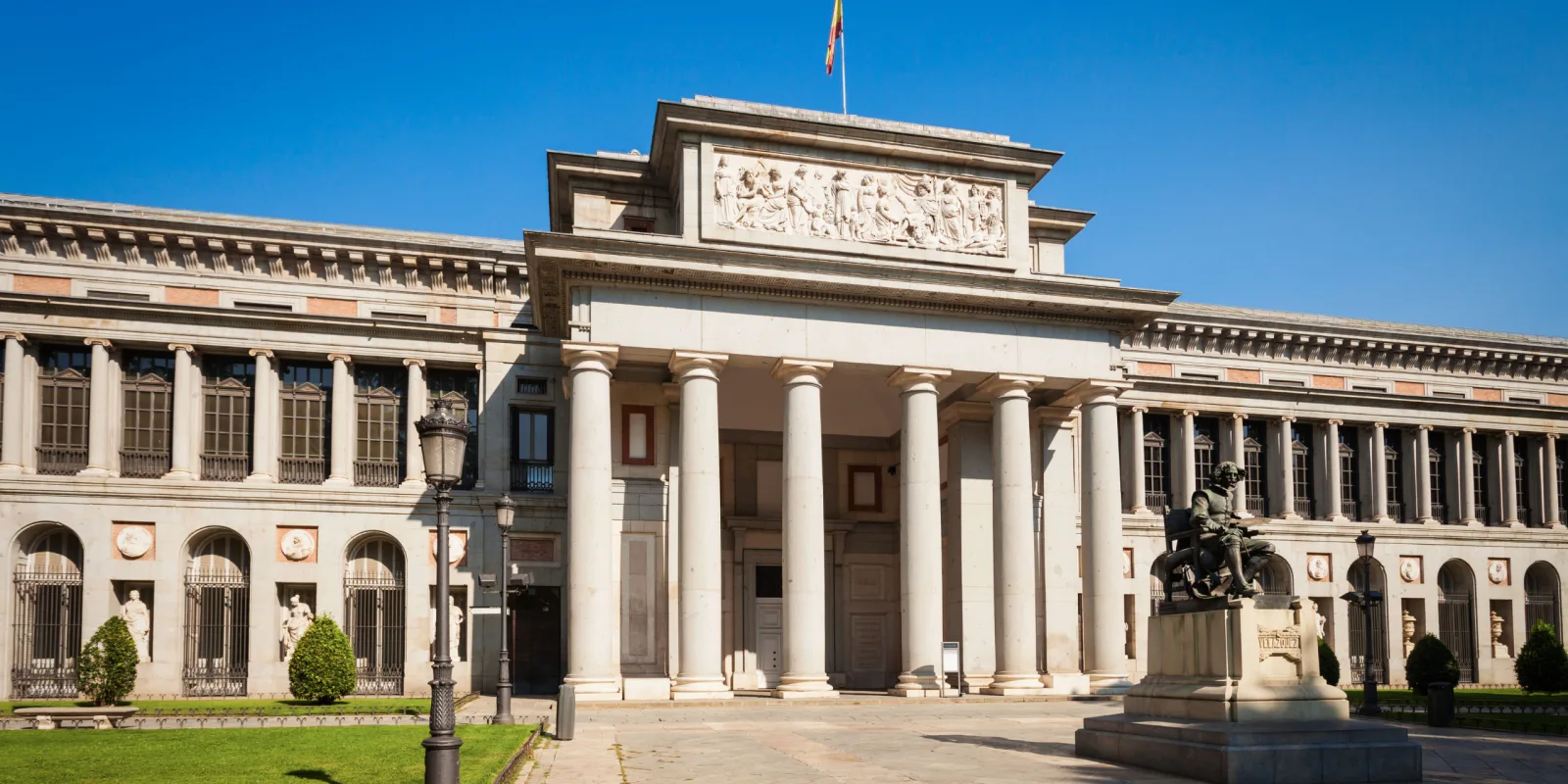
The Prado opens free for its last two hours seven days a week, 6pm to 8pm Monday to Saturday and 5pm to 7pm on Sundays. In that window the Collection costs nothing and the temporary exhibitions drop to half price, which no other Madrid museum does. General admission is €15 and last entry 30 minutes early.
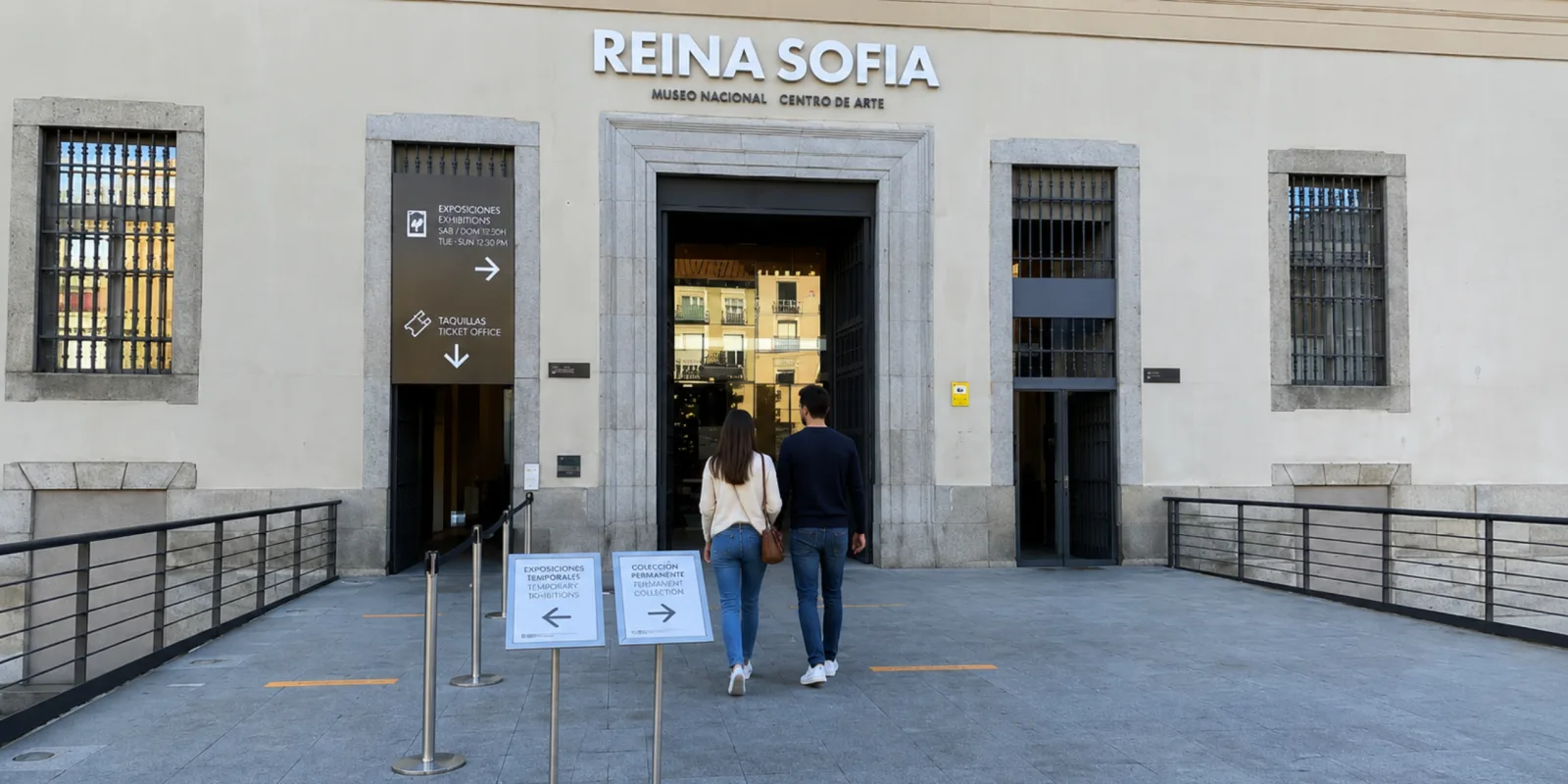
The Reina Sofía is free for its last two hours on every day it opens, which is 7pm to 9pm on Monday and Wednesday to Saturday. Sunday closing is 2.30pm, so that day the free window runs 12.30pm to 2.30pm instead. Tuesday it does not open at all. General admission is €12 and last entry 30 minutes early.
The Royal Palace is free Monday to Thursday for its final two hours, 5pm to 7pm from April to September and 4pm to 6pm from October to March, but only for EU citizens, EU residents and Ibero-American nationals showing proof. General admission is €18 and the box office closes an hour before the palace.
The Thyssen opens 12pm to 4pm on Mondays and those four hours are free, so no paid Monday exists at all. No ticket, no nationality check. The slot covers the Collection and leaves out the temporary exhibitions, which are free instead on Saturdays from 9pm to 11pm. General admission is €14.